

Key Points
-
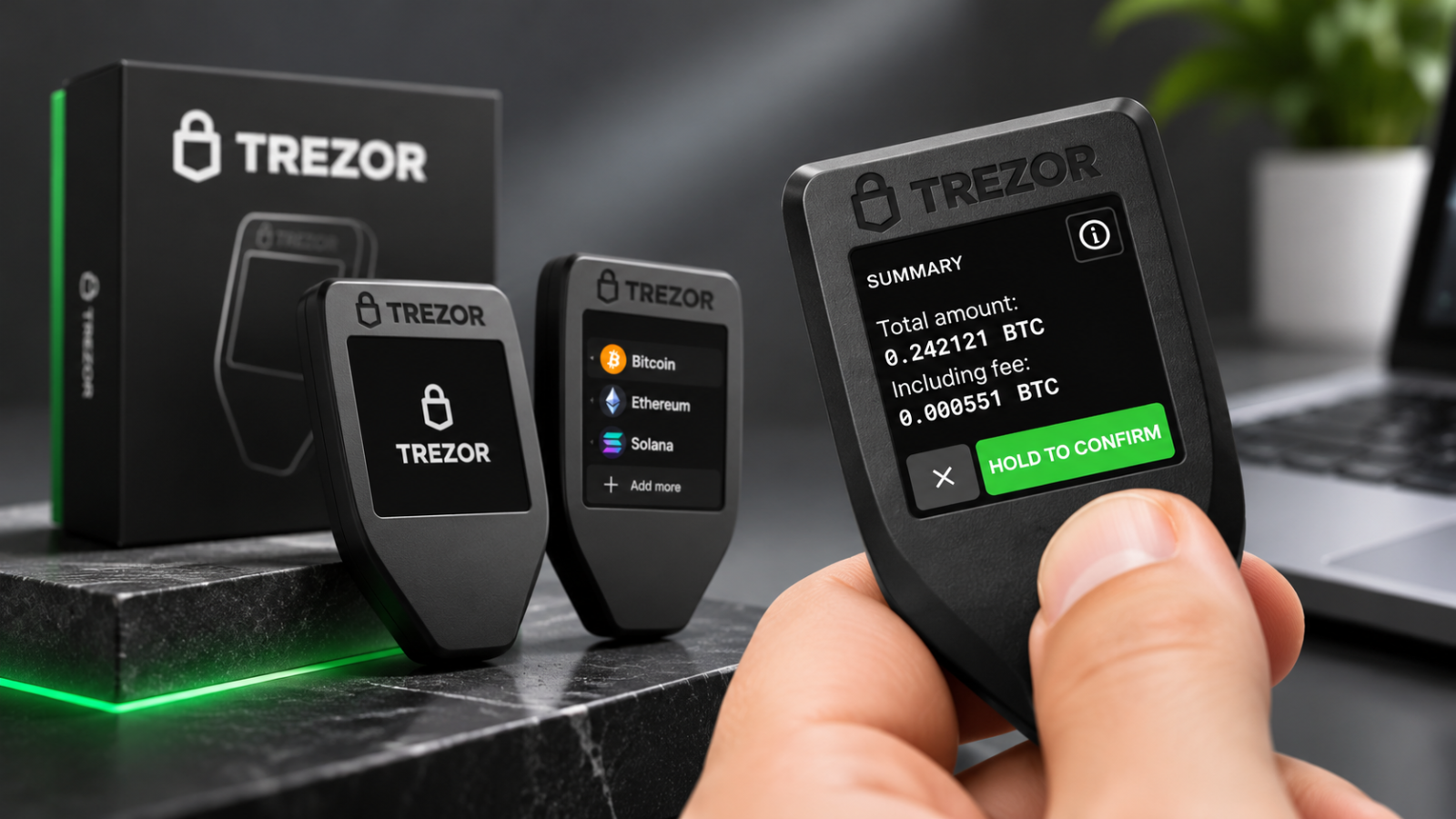
Hardware wallet manufacturer Trezor disclosed a data breach involving approximately 27,000 customer orders stored by its shipping provider, Skladon.
-
Exposed information includes names, phone numbers, email addresses, delivery addresses and purchase details from orders placed between August 9 and November 7.
-
The incident marks Trezor’s third reported third-party data breach this year, raising concerns about phishing, targeted scams and the physical security of cryptocurrency holders.
Shipping Partner Breach Exposes Customer Information
Hardware wallet manufacturer Trezor has disclosed another third-party security incident after an attacker accessed customer information held by its shipping provider, Skladon.
The breach potentially affects approximately 27,000 orders, with exposed records containing customers’ names, phone numbers, delivery addresses, email addresses and purchase details.
The affected orders were placed between August 9 and November 7.
In its Monday announcement, Trezor said it believes the attacker exported the information. The company emphasized that its own systems were not compromised and that customers’ hardware wallets and devices remain secure.
However, the exposure of shipping information creates additional risks for cryptocurrency holders because it can connect identifiable individuals and residential addresses with purchases of digital asset security devices.
Third Partner Breach Reported This Year
The Skladon incident marks Trezor’s third reported data breach involving an external service provider in 2026.
In August, a security incident at shipping provider ShipMonk initially affected approximately 13,700 customers. Trezor later disclosed that the number of affected US customers had increased to approximately 67,000, including individuals whose records ShipMonk had previously assured the company were deleted.
A separate incident occurred in September involving Brevo, a marketing platform used for email communications. That breach exposed 347,149 email addresses belonging to Trezor’s newsletter subscribers.
The latest incident adds another layer of concern regarding the security of customer information handled by external providers.
Although the breaches involved separate service providers, their cumulative impact highlights the risks associated with outsourcing shipping, marketing and customer communication operations.
Trezor Warns of Phishing and Physical Security Risks
Trezor urged customers to treat unexpected communications concerning their orders with suspicion.
The company warned that attackers could use exposed information to impersonate legitimate representatives through phone calls, text messages, emails or physical letters.
Such communications could attempt to obtain additional personal information or persuade customers to disclose sensitive wallet credentials.
Trezor specifically reminded users that it will never initiate unsolicited calls asking for wallet backups.
The company also highlighted the physical security implications of the breach. Unlike a conventional email leak, exposed shipping records can connect a person’s identity, home address and ownership of cryptocurrency-related hardware.
This combination of information could potentially make affected customers targets for more personalized scams or physical security threats.
Anonymous Pickup Service Introduced Across Europe
The disclosure coincided with Trezor’s launch of an anonymous pickup service across 18 European countries.
The service allows customers to order hardware wallet devices without providing their home addresses, offering an alternative to conventional residential delivery.
The initiative addresses one of the risks highlighted by the latest incident: the exposure of residential information linked to cryptocurrency ownership.
By providing another delivery option, Trezor aims to reduce the amount of personally identifiable information associated with customers’ hardware wallet purchases.
Third-Party Security Becomes a Growing Concern for Crypto Holders
The latest breach illustrates how cryptocurrency security risks extend beyond exchanges, wallets and blockchain infrastructure.
External providers responsible for shipping, marketing and customer communications can hold sensitive information that potentially exposes cryptocurrency users to targeted attacks.
Although Trezor reported no compromise of its own systems or customer devices, the exposed records create risks that may persist beyond the initial incident.
Attention will now turn to how Skladon and Trezor address the breach, whether additional affected customers are identified and what safeguards are introduced for external service providers. For cryptocurrency holders, protecting personal information and remaining alert to unsolicited communications will remain important alongside securing private keys and wallet backups.
Comparison, examination, and analysis between investment houses
Leave your details, and an expert from our team will get back to you as soon as possible