

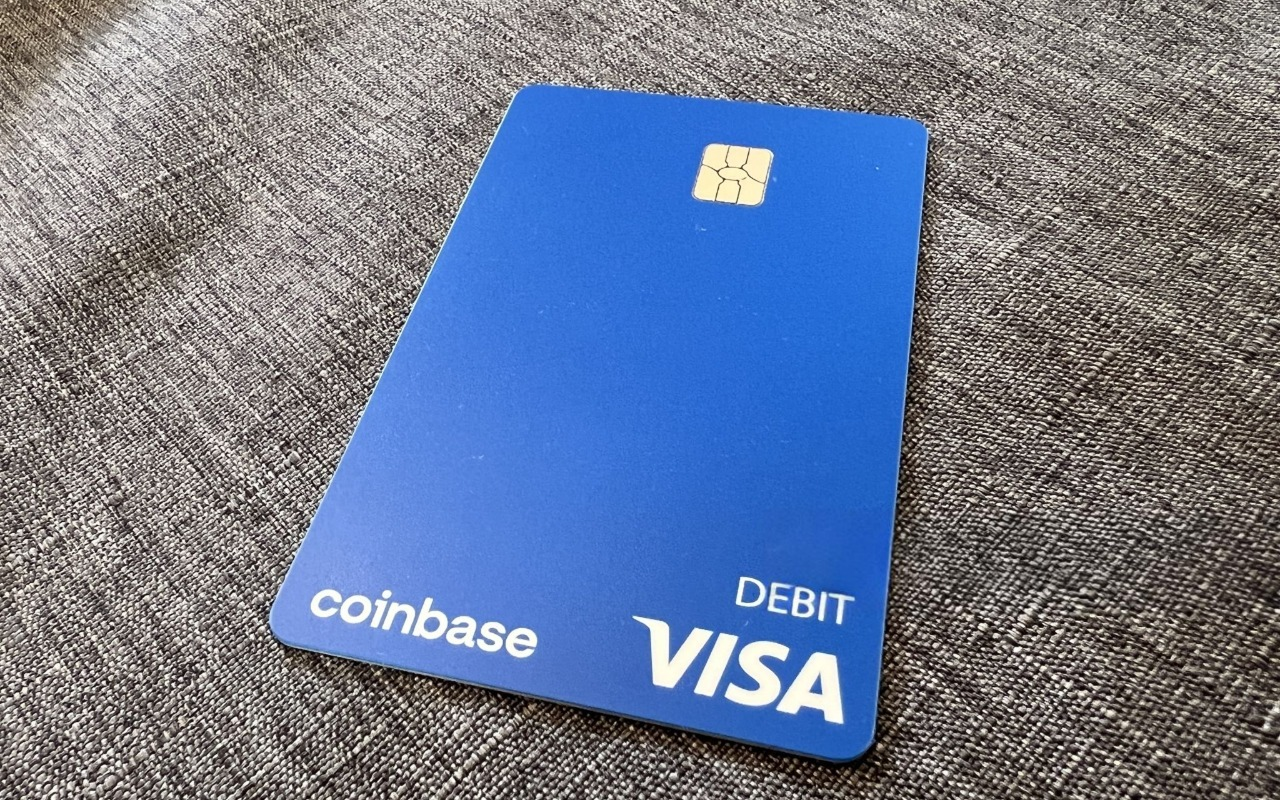
As artificial intelligence agents begin to interact autonomously with digital services, financial infrastructure providers are positioning themselves to power the next generation of online commerce. Visa and Coinbase are among the firms building systems designed for AI-driven payments, but their approaches reflect two fundamentally different visions of how the future internet could function.
The development arrives as AI adoption accelerates across global technology sectors and as crypto infrastructure increasingly intersects with traditional financial networks. For investors, the emerging competition highlights how payments, blockchain infrastructure, and AI automation could reshape digital markets.
Traditional Payments vs. Crypto-Native Infrastructure
Visa, which processes more than $14 trillion in annual payment volume, has been exploring ways to integrate AI-driven commerce within its existing payment network. The company’s vision centers on enabling AI agents—such as automated shopping assistants—to initiate transactions using familiar payment rails tied to cards, bank accounts, and regulated financial institutions.
In contrast, Coinbase is developing infrastructure for an internet built around blockchain-based payments and programmable digital assets. By leveraging crypto wallets and on-chain identity systems, AI agents could theoretically interact directly with decentralized financial systems without relying on traditional banking intermediaries.
The difference reflects a broader divide between Web2 financial infrastructure and Web3 blockchain networks, both competing to become the backbone of AI-powered commerce.
Technology Infrastructure and Network Design
Visa’s model relies on centralized payment authorization and established compliance frameworks. The network processes roughly 65,000 transactions per second at peak capacity, offering a highly scalable infrastructure for global payments.
Coinbase, meanwhile, is building tools that enable AI agents to operate through crypto wallets, smart contracts, and blockchain-based payment protocols. This approach allows AI systems to hold digital assets and execute transactions autonomously using programmable financial logic.
- $14 trillion annual payment volume processed by Visa
- 65,000+ transactions per second peak network capacity
- 24/7 blockchain settlement offered by crypto networks
While blockchain networks provide continuous settlement and programmable transactions, they also face challenges related to scalability, regulatory oversight, and user adoption.
Investor Sentiment and Strategic Implications
For crypto investors, the competition between traditional finance and crypto-native platforms reflects a broader question about the future structure of the internet economy. AI agents capable of executing financial transactions could dramatically expand digital commerce, but the infrastructure supporting those transactions remains uncertain.
Some analysts believe that traditional financial networks will retain a significant advantage due to their regulatory clarity, global reach, and established trust. Others argue that blockchain infrastructure may ultimately prove more adaptable for AI-driven economies because of its programmable and decentralized design.
Market participants are increasingly watching how large technology and financial firms integrate AI automation with digital payments, particularly as decentralized finance, stablecoins, and tokenized assets continue to expand.
As AI agents become more capable of acting independently in digital markets, the financial rails supporting them could shape the structure of the next internet economy. Whether that infrastructure is dominated by traditional payment networks like Visa or by crypto-native platforms such as Coinbase may ultimately depend on regulatory developments, technological scalability, and the pace of global adoption of blockchain-based financial systems.
Comparison, examination, and analysis between investment houses
Leave your details, and an expert from our team will get back to you as soon as possible











Leave a comment