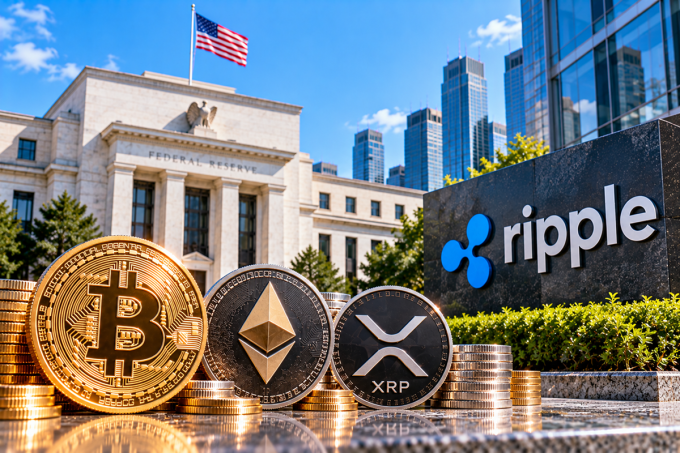
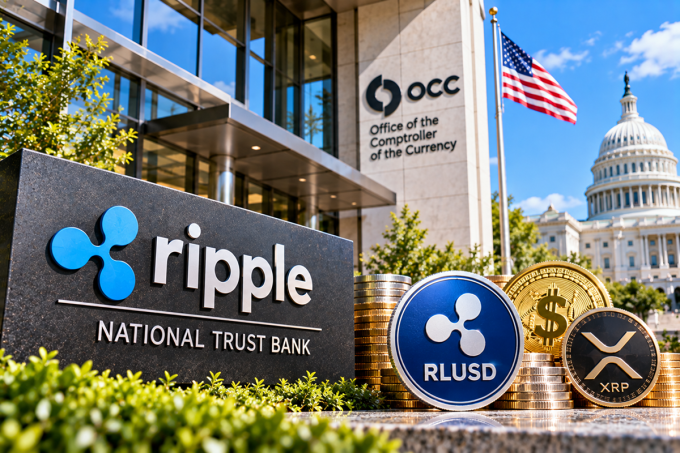
XRP has lagged behind several major cryptocurrencies despite continued progress in Ripple’s enterprise partnerships and broader institutional engagement with digital assets. The disconnect between positive ecosystem developments and muted price performance has prompted investors to reassess the factors currently influencing XRP’s valuation.
As cryptocurrency markets mature, price appreciation is increasingly driven by a combination of institutional capital flows, blockchain activity, macroeconomic conditions, and regulatory clarity rather than individual news events. For professional investors, XRP’s recent performance illustrates the importance of evaluating network fundamentals alongside broader market dynamics.
Weak Capital Flows Have Limited Price Momentum
One of the primary reasons behind XRP’s subdued performance has been the moderation of institutional capital inflows. Compared with assets benefiting from stronger exchange-traded product demand, XRP has experienced relatively limited new institutional allocations, reducing buying pressure despite continued investor interest.
Professional investors increasingly monitor fund flows, exchange liquidity, and derivatives positioning when assessing cryptocurrency momentum. Without sustained institutional demand, even fundamentally strong blockchain projects can struggle to generate meaningful price appreciation during periods of cautious market sentiment.
The broader cryptocurrency market has also experienced intermittent volatility as investors respond to changing macroeconomic conditions, interest rate expectations, and geopolitical developments.
On-Chain Activity Has Yet to Accelerate
Blockchain analytics indicate that network activity across the XRP Ledger has remained relatively subdued compared with previous growth periods. Metrics such as active wallet participation, transaction activity, and new account creation are increasingly used by institutional investors to evaluate the long-term health of blockchain ecosystems.
Although Ripple continues expanding its enterprise payment solutions and cross-border settlement infrastructure, investors generally seek evidence that growing commercial adoption translates into higher blockchain utilization. Stronger on-chain engagement often supports investor confidence by demonstrating sustained real-world demand for a network’s infrastructure.
Market participants therefore continue monitoring operational metrics alongside corporate announcements to assess whether ecosystem growth is translating into broader blockchain usage.
Regulatory Progress Alone May Not Drive Immediate Gains
Regulatory clarity surrounding Ripple has improved compared with previous years, reducing one of the major uncertainties that had weighed on XRP. However, professional investors increasingly recognize that removing regulatory obstacles does not automatically generate sustained price appreciation.
Investor psychology has evolved as the digital asset market matures. Institutional capital is now allocated more selectively, with greater emphasis placed on measurable adoption, liquidity, network utilization, and long-term revenue opportunities rather than headline developments alone.
Competition from other blockchain ecosystems—including those focused on decentralized finance, tokenization, and smart contract infrastructure—has also intensified, making capital allocation across digital assets increasingly competitive.
Looking ahead, XRP’s long-term performance will likely depend on whether stronger institutional inflows, increased blockchain activity, and continued enterprise adoption reinforce its investment narrative. While short-term price momentum has remained limited, sustained improvements in network utilization and broader digital asset market conditions could provide more meaningful support over time. For sophisticated crypto investors, monitoring fundamental adoption metrics alongside macroeconomic developments remains essential when evaluating XRP’s evolving role within the blockchain ecosystem.
Comparison, examination, and analysis between investment houses
Leave your details, and an expert from our team will get back to you as soon as possible