

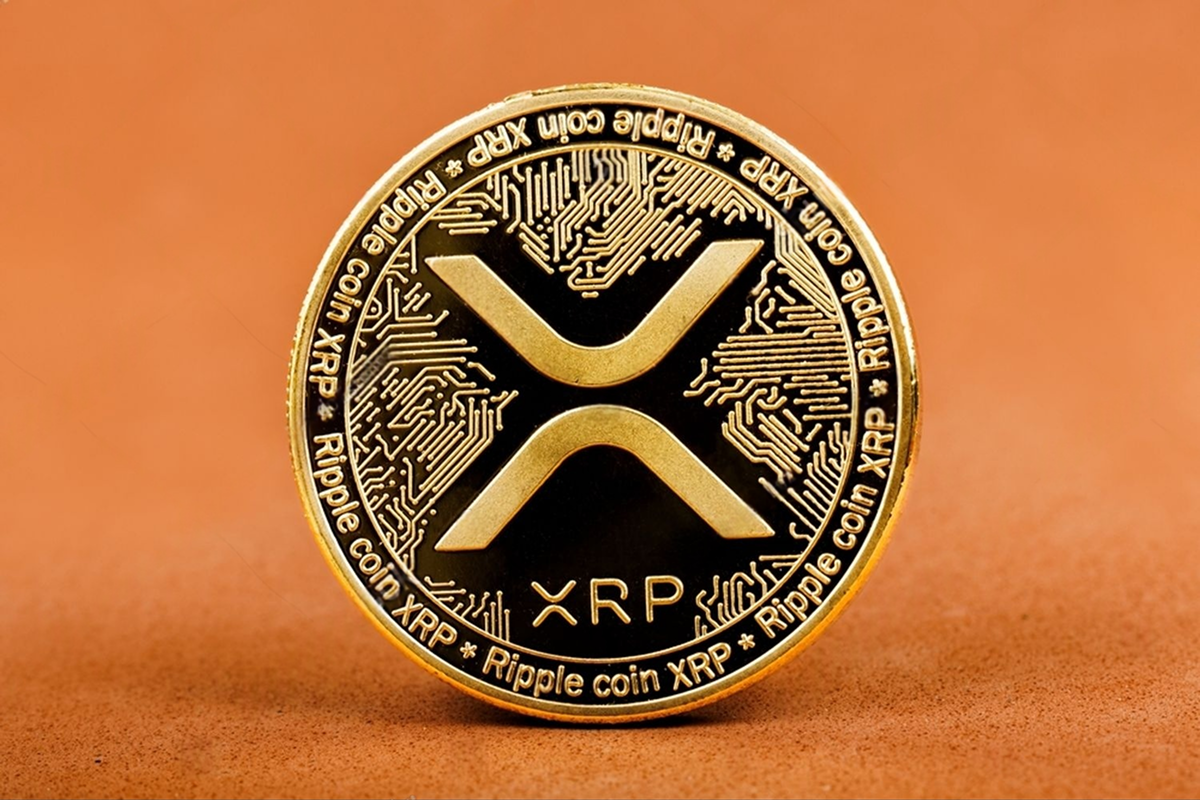
XRP is emerging as a focal point for institutional decentralized finance after Ripple outlined a comprehensive blueprint aimed at transforming the XRP Ledger (XRPL) into a platform capable of supporting regulated DeFi activity at scale. The strategy arrives as institutions increasingly explore on-chain finance amid moderating crypto volatility, tighter capital requirements, and growing demand for compliant blockchain infrastructure that bridges traditional markets and digital assets.
Market Context: XRPL Positions for Institutional-Grade DeFi
Ripple’s announcement comes at a time when global DeFi total value locked remains above $90 billion, yet institutional participation continues to account for a relatively small share of on-chain activity. XRPL, long associated with payments and settlement, is now being positioned as a platform for tokenized assets, lending, and liquidity provisioning designed to meet institutional standards. According to network data, XRPL processes more than 1.5 million transactions per day with average fees measured in fractions of a cent, attributes that Ripple argues make it well suited for high-throughput, low-cost financial applications that institutions require.
Technology and Design: Compliance Embedded at the Protocol Level
The institutional DeFi blueprint emphasizes features such as permissioned domains, identity frameworks, and native support for tokenized real-world assets, allowing regulated entities to interact on-chain without violating compliance mandates. Ripple has highlighted plans to expand XRPL’s capabilities around automated market making, lending primitives, and asset issuance while maintaining deterministic settlement and predictable performance. Unlike many DeFi ecosystems that evolved organically, XRPL’s approach is deliberately structured, reflecting lessons learned from traditional finance where scalability and governance are prerequisites rather than afterthoughts.
Regulatory Implications: DeFi Meets Institutional Oversight
Ripple’s strategy directly addresses one of the most persistent barriers to institutional DeFi adoption: regulatory clarity. By integrating compliance tools at the infrastructure level, XRPL aims to offer regulators greater transparency into asset flows, counterparty risk, and settlement mechanics. This approach aligns with increasing global regulatory expectations that DeFi platforms demonstrate accountability comparable to traditional financial venues. For crypto investors, the emphasis on regulation-first design signals a shift away from permissionless experimentation toward structured growth, potentially expanding the addressable market for XRPL-based applications.
Investor Sentiment: Infrastructure Over Short-Term Price Action
Market reaction to Ripple’s announcement has been measured, with XRP price movements reflecting broader market conditions rather than speculative spikes tied to the news. Trading volumes have remained stable, suggesting that investors view the blueprint as a long-term infrastructure development rather than an immediate catalyst. Institutional allocators increasingly prioritize networks with clear governance, predictable costs, and regulatory engagement, and XRPL’s repositioning may enhance its appeal among funds seeking exposure to blockchain-based financial rails rather than high-volatility DeFi experiments.
Looking ahead, the success of Ripple’s institutional DeFi vision will depend on execution, ecosystem adoption, and regulatory reception across jurisdictions. Key milestones will include the onboarding of tokenized assets, participation from regulated financial institutions, and sustained liquidity growth on XRPL. For crypto investors, the initiative underscores a broader industry transition, where XRP and the XRP Ledger are no longer framed solely as payment tools but as foundational infrastructure for compliant, institutional on-chain finance.
Comparison, examination, and analysis between investment houses
Leave your details, and an expert from our team will get back to you as soon as possible











Win88apps, hey! Just tried it out. Pretty slick interface, decent selection of games. Nothing groundbreaking, but a solid option for a quick session. Check it out win88apps!
Looking for HM888? I found it. Check this out, you might find it helpful! Link: hm888
Alright, finally getting around to download 188bet. Heard good things, hope it’s as easy as they say. fingers crossed. Check it out here download 188bet