

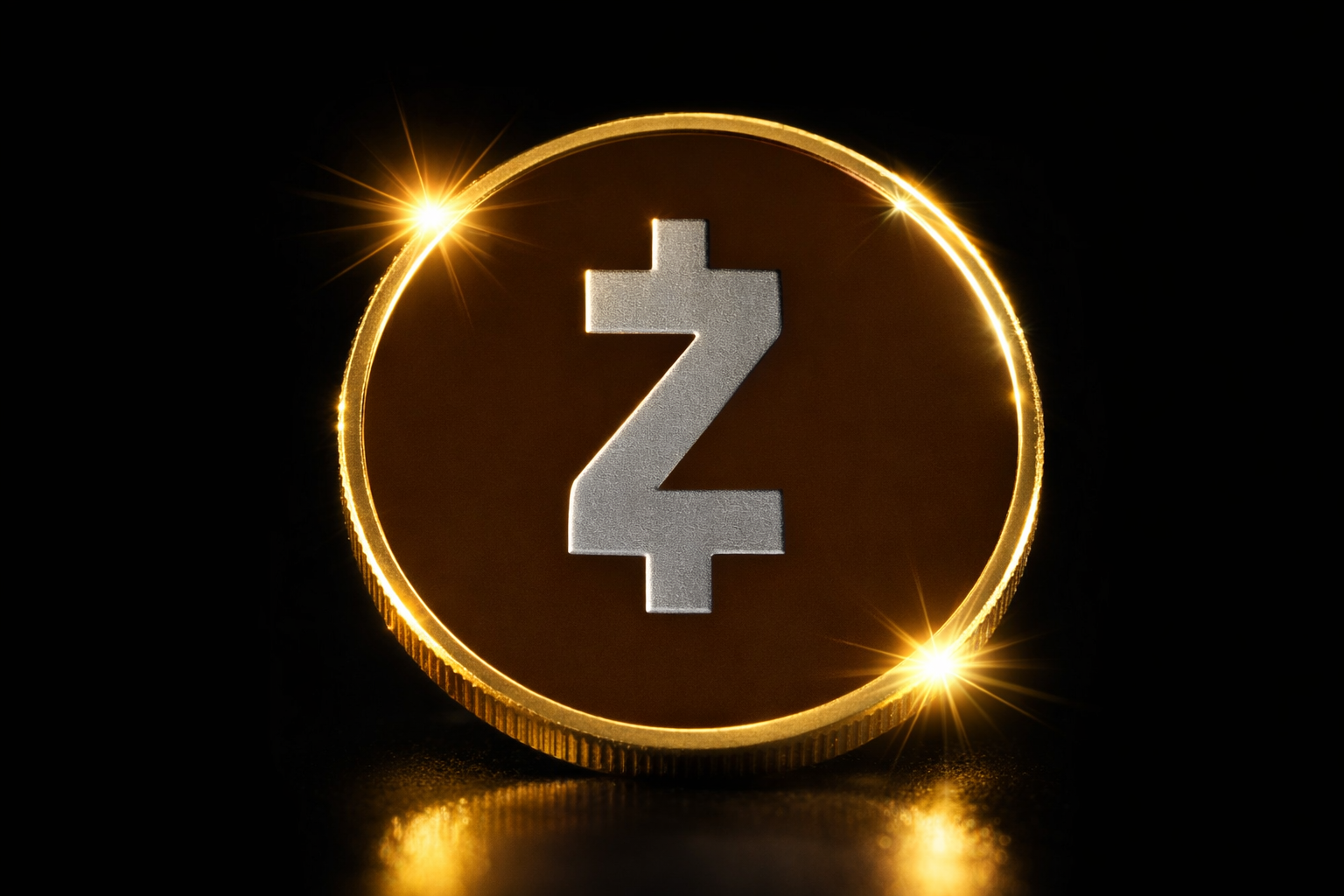
Developers behind one of the most widely used Zcash wallets are moving quickly to reassure users and markets after a sudden governance dispute triggered a structural shake-up inside the Zcash ecosystem.
The team that built Electric Coin Company’s consumer wallet Zashi announced plans to launch a new startup, tentatively named cashZ, following a breakdown in relations with Bootstrap, the nonprofit entity created to oversee parts of Zcash development. The move comes as Zcash prices and sentiment remain fragile, with investors sensitive to signs of fragmentation in privacy-focused crypto projects.
Josh Swihart, former CEO of Electric Coin Company, framed the shift as a strategic pivot rather than a rupture, emphasizing that the Zcash protocol itself remains fully operational and unaffected.
From Nonprofit Tensions to Startup Structure
In a series of posts on X, Swihart said the former ECC leadership and engineers are launching a new Zcash-focused startup and plan to ship a wallet built from the existing Zashi codebase, using the working name “cashZ.”
“We need to scale Zcash to billions of users,” Swihart wrote. “Startups can scale, but nonprofits can’t.”
The comments followed a public dispute on Thursday between ECC leadership and Bootstrap, a 501(c)(3) nonprofit established to support Zcash development. According to prior reporting, the disagreement centered on governance, control and restructuring options around Zashi, with ECC’s leadership arguing they were “constructively discharged” after proposals failed to gain approval.
Bootstrap, for its part, said nonprofit legal and fiduciary constraints limited what it could authorize, creating an impasse that ultimately pushed the wallet team to exit and pursue an independent path.
What Changes — and What Doesn’t — for Zcash
Swihart stressed that the Zcash protocol remains unaffected by the dispute. Consensus rules, network security, and core cryptography continue unchanged, and the same engineers intend to keep building on Zcash under a new corporate structure.
That distinction matters for users and investors. Governance disputes can sometimes spill into protocol-level uncertainty, but in this case, the conflict is confined to organizational control and product development rather than the underlying blockchain.
Still, the market reaction was swift. ZEC slid sharply following the initial announcement of the split, with heightened volatility spreading across the privacy-coin sector as traders reassessed execution risk and long-term coordination within a relatively small ecosystem.
Zashi, cashZ, and the Product Question
Zashi has been one of the most visible consumer-facing products in the Zcash ecosystem, designed to simplify shielded transactions and make privacy features more accessible. By rebuilding from the Zashi codebase, cashZ aims to preserve continuity for users while accelerating development outside nonprofit governance.
From a strategic perspective, the move reflects a broader tension in crypto between mission-driven nonprofits and venture-style startups. Nonprofits can offer neutrality and long-term stewardship, but they often move slowly due to legal, funding and governance constraints. Startups, by contrast, can iterate faster, raise capital more flexibly, and compete aggressively for user adoption — at the cost of introducing commercial incentives.
Swihart’s argument is that speed now matters more than structure, particularly as privacy-focused blockchains struggle to gain mainstream traction amid regulatory pressure and declining retail interest.
Investor Sentiment and Ecosystem Risk
For investors, the key question is whether the shake-up unlocks faster product delivery or deepens fragmentation. Privacy coins already face headwinds from exchange delistings, compliance concerns and shrinking liquidity. Another layer of organizational complexity could either catalyze innovation — or dilute already scarce resources.
In the near term, the progress of the cashZ wallet will likely serve as the clearest signal. Rapid shipping, clear messaging and user retention could help stabilize confidence. Delays or competing visions, by contrast, may reinforce doubts about Zcash’s ability to scale beyond its niche.
Looking ahead, the episode underscores a recurring challenge in crypto: aligning governance, incentives and execution. Whether cashZ becomes a growth engine or a cautionary tale will depend less on ideology — nonprofit versus startup — and more on whether it delivers tangible value to users in an increasingly competitive privacy landscape.
Comparison, examination, and analysis between investment houses
Leave your details, and an expert from our team will get back to you as soon as possible










https://shorturl.fm/uJuDa