Key Points:
- Zcash holders and community panels will vote from November 16 to November 30 on a proposal to remove 50,000 ZEC, approximately 55% of the community grants treasury, from immediate circulation.
- The proposal would redirect Zcash Community Grants’ existing 8% share of newly issued ZEC into a new Future Dev and Legal Defense Fund until the next halving.
- If implemented, the restructuring would leave the grants program with an estimated six years of funding under the proposal’s assumptions, compared with approximately 13 years before the transfer.
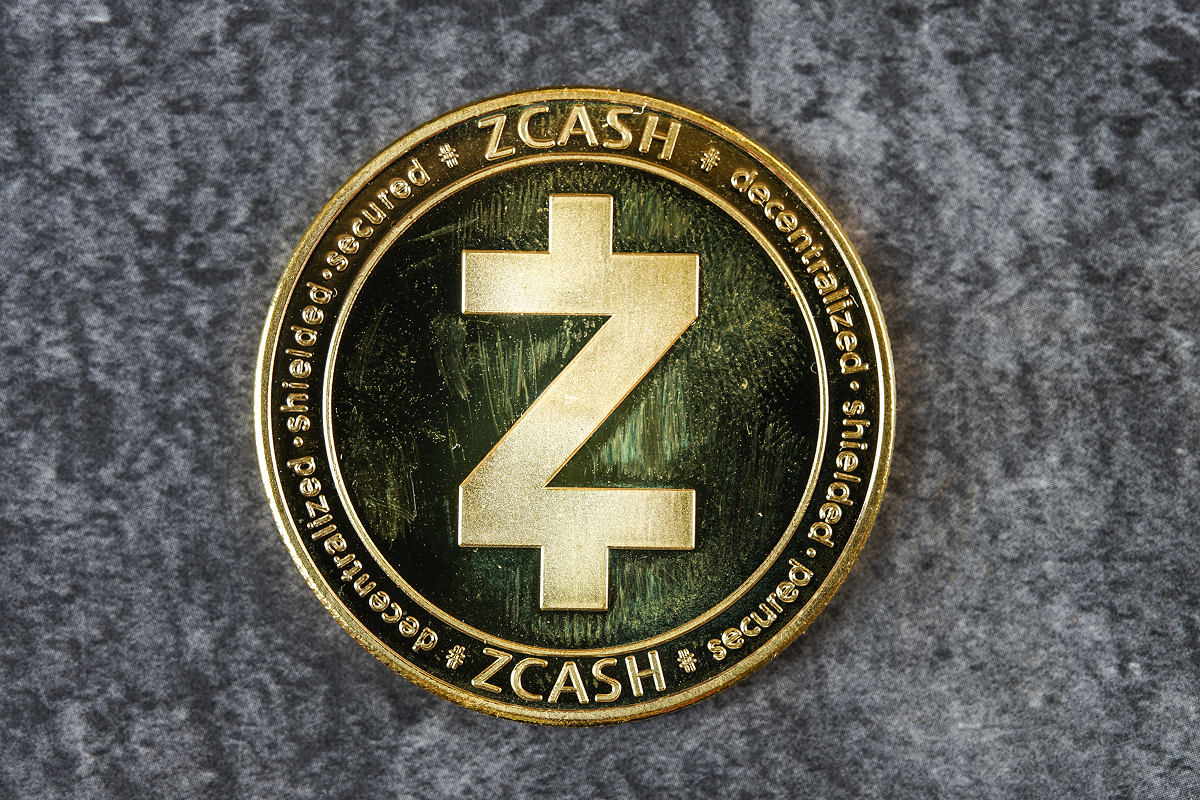
Zcash is preparing for a significant restructuring of its development funding, with holders set to vote on a proposal that would move 50,000 ZEC, worth approximately $50 million, out of the Zcash Community Grants treasury. The plan would also redirect future block-reward allocations into a new development and legal-defense reserve. Beyond the immediate treasury adjustment, the proposal raises broader questions about how privacy-focused blockchain networks should balance developer funding, miner incentives and long-term financial sustainability.
A 55% Reduction in the Community Grants Treasury
The draft Zcash Improvement Proposal was written by co-founders Sean Bowe and Zooko Wilcox, alongside Jason McGee, and merged into the project’s specifications repository on November 11. Coinholder and community-panel polls are scheduled to run from November 16 through November 30.
According to an October treasury snapshot cited in the proposal, Zcash Community Grants (ZCG) held 91,453 ZEC. The proposed removal of 50,000 ZEC therefore represents approximately 55% of its holdings. If approved and activated through a network upgrade, ZCG would have 30 days to transfer the coins into the Network Sustainability Mechanism (NSM).
The mechanism gradually returns deposited ZEC through future mining rewards. Consequently, the proposal does not permanently destroy the coins or transfer them directly to another committee. Instead, it changes their availability and distribution over time, with miners eventually receiving the value through block rewards.
Future Development Funding Moves Into a Separate Reserve
A second major component would end ZCG’s existing allocation of 8% of newly created ZEC. That portion would instead accumulate in a new reserve called the Future Dev and Legal Defense Fund until Zcash’s next halving.
Importantly, the proposed fund would initially have no spending mechanism. A separate improvement proposal would need to establish withdrawal procedures before the accumulated funds could be distributed. This means the restructuring would create a dedicated pool for future development and legal defense without immediately authorizing expenditures.
ZCG would retain its remaining treasury and continue awarding grants to independent developers, wallet builders and community projects. The separate 12% Coinholder-Controlled Fund would remain unchanged. The shift therefore changes the automatic funding structure rather than immediately eliminating the existing grants program.
Treasury Reserves and the Debate Over Funding Efficiency
The proposal follows a substantial increase in the dollar value of ZCG’s holdings as ZEC appreciated. Its authors estimate that, using an assumed ZEC price of $1,300 and spending levels from the first half of 2026, the existing treasury could cover approximately 13 years of expenses. Removing 50,000 ZEC would reduce that estimated runway to around six years.
The figures help explain why some community members have questioned the need for continued automatic funding. However, a longer treasury runway does not necessarily guarantee that future development requirements, legal costs or market conditions will remain unchanged.
The new proposal follows an earlier plan to redirect approximately 98,000 ZEC from existing assets and future income toward mining rewards. That initiative was abandoned on November 3 after attracting criticism. The revised approach preserves the grants program while changing how its future funding is accumulated.
Governance Approval and Implementation Remain Uncertain
The November polls will test whether the proposal has sufficient community support, but they do not themselves activate the changes. Organizers will assess whether the results demonstrate rough consensus before engineering teams and miners consider the follow-up NU7.1 network upgrade. No activation block height has been established, and the draft currently contains no reference implementation.
For ZEC participants, the outcome could reshape the relationship between development spending and miner incentives. The immediate focus will be the November 16–30 vote, followed by the technical and governance steps required for implementation. Whether the restructuring strengthens Zcash’s long-term sustainability will ultimately depend on how effectively the remaining grants treasury supports development and how transparent the future fund’s spending framework becomes.
Comparison, examination, and analysis between investment houses
Leave your details, and an expert from our team will get back to you as soon as possible