

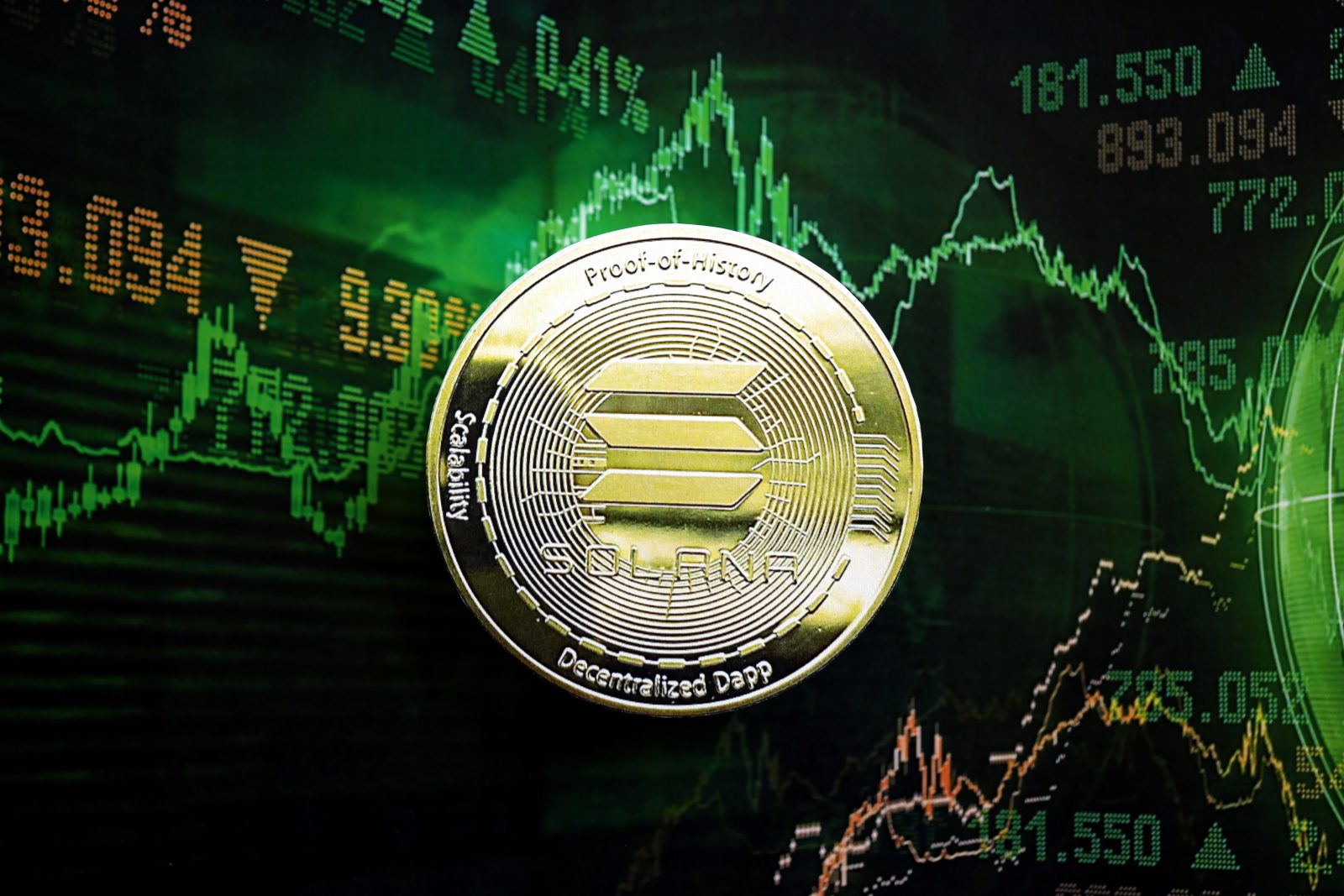
Solana (SOL) is under the microscope as global regulators signal major shifts in how tokens are classified and how stablecoin regimes will be enforced. With SOL trading near $250-300 resistance levels and institutional interest growing, the token’s market prospects may hinge on how upcoming regulations shape its legal status and yield opportunities.
Regulatory Crosswinds: Token Classification & the GENIUS Act
SEC Poised to Define Crypto Token Status
U.S. SEC Chair Paul Atkins has publicly committed to issuing new guidelines clarifying which crypto tokens qualify as securities under existing law. These guidelines will affect tokens whose issuance, delegation, or yield depends on the “efforts of others” — a key factor in securities definitions under the Howey test. Solana, whose validators and SOL holders often navigate debates over decentralization and control, may be directly impacted.
GENIUS Act & Stablecoin Oversight
Meanwhile, the U.S. GENIUS Act, passed in mid-2025, has put stablecoin issuers under rigorous reserve, transparency, and licensing requirements. Although SOL is not a stablecoin, the regulatory environment for tokens, staking, or derivatives tied to SOL may be influenced by stablecoin precedents — especially around reserve backing or collateral disclosures. Issuers using SOL or related assets in stablecoin or cross-asset products may face tighter scrutiny.
Market Signals & Investor Behavior
Price Momentum & Investor Positioning
Solana has registered strength in recent weeks: analysts cite approaching seven-month highs, SPY inflows, and speculation that SEC approval of SOL-based or SOL-related ETFs could drive institutional demand. If SOL breaks through ~$300, that may validate bullish expectations. On the flip side, significant token unlocks (e.g. SOL ecosystem DeFi token unlocks) loom over short-term volatility.
Strategic, Psychological Layer
Investors are increasingly risk-aware: with the possibility of SOL being designated a security in certain contexts, traders are hedging exposure, seeking clarity from exchanges about compliance, and favoring platforms with strong governance transparency. Fear of retroactive enforcement or regulatory ambiguity is feeding demand for proof of decentralization, validator independence, and staking yield transparency.
Comparative Regulation: EU’s MiCA & Global Divergence
In Europe, MiCA (Markets in Crypto-Assets Regulation) is now fully in force and requires token issuers and service providers to meet strong disclosure, environmental, and consumer protection standards. For SOL-based products issued or marketed in the EU, whitepapers, liability, and marketing will have to align with MiCA’s provisions. Meanwhile, in Asia, Hong Kong’s stablecoin bill expects issuance licensing in early 2026, which may set further benchmarks for how SOL-tied stable or collateralized tokens are treated.
Looking ahead, SOL’s performance over the next few quarters will likely depend on how the SEC finalizes its token classification rules and how issuers adapt to stablecoin-like scrutiny for asset-backed or yield-return products. If regulatory clarity arrives and SOL-based ETFs or staking offerings are structured cleanly, the token could see renewed institutional inflows. But risks are real: misclassification as a security, delays in regulatory guidance, or inconsistent cross-border rules may suppress momentum and raise legal/compliance costs for issuers and holders.
Comparison, examination, and analysis between investment houses
Leave your details, and an expert from our team will get back to you as soon as possible










https://shorturl.fm/BNNlm