

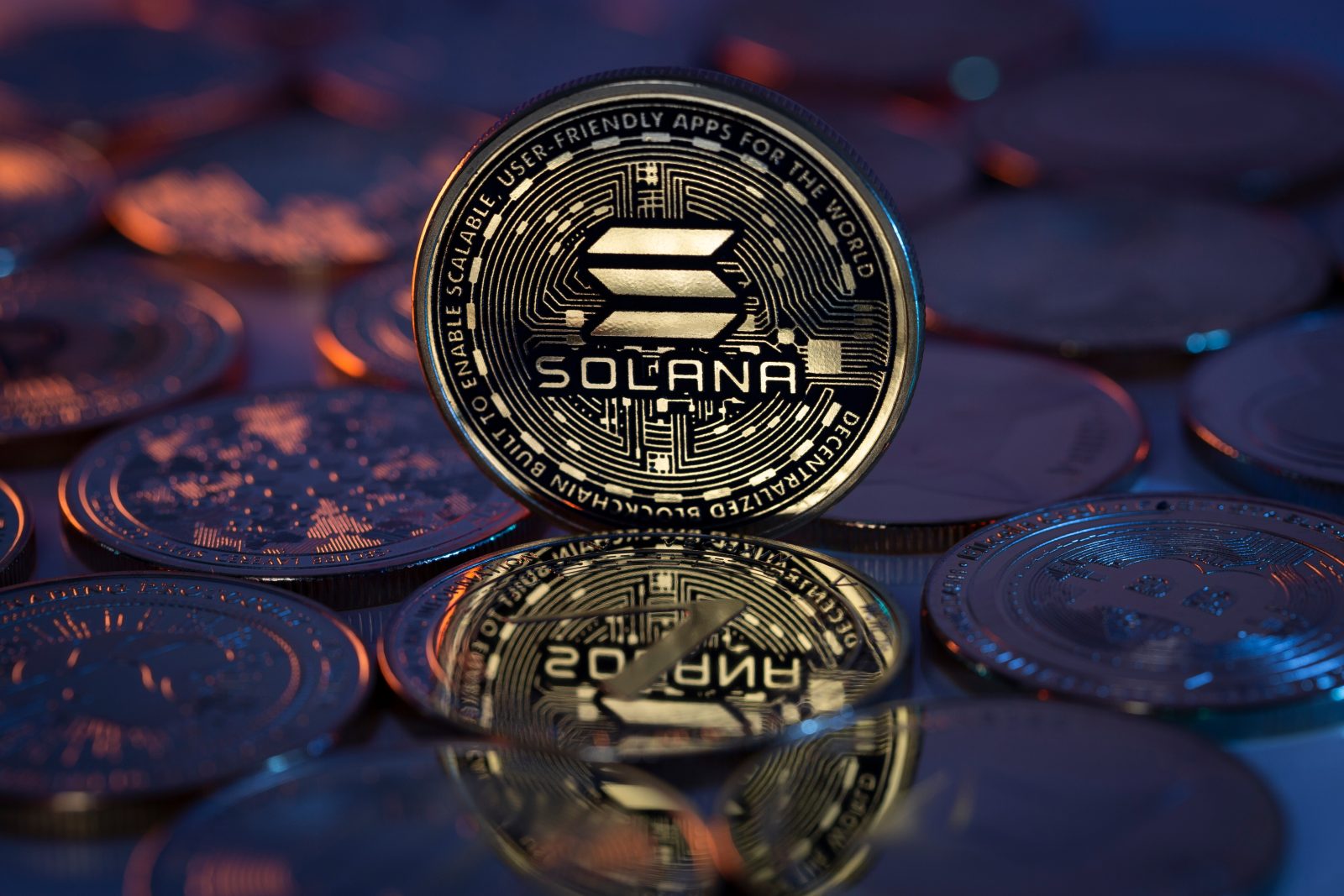
Recently, Solana (SOL) has gained renewed momentum as TradFi entities increase exposure through digital asset treasuries (DATs) and DeFi metrics such as DEX volume and fees are showing strong upward growth. While SOL briefly tested $250 and saw some rejection, its 30-day gains of 24% suggest traders believe the infrastructure and institutional interest may be building a case for a move toward $300.
Market Reaction & Price Momentum
Over the past month, SOL has appreciated by approximately 24%, even after being rejected near the $250 resistance level. According to recent reports, Solana surpassed Ethereum in decentralized exchange (DEX) volume in September, processing roughly US$121.8 billion in monthly DEX trades—around 90% higher than BNB Chain. Fees on Solana rose about 23% over the past 7 days, reflecting increased transaction activity. These metrics underscore that demand is not merely speculative but linked to real usage: fees, volumes, and onchain metrics are acting as early validators of sustaining strength.
Institutional / TradFi Adoption & DATs Demand
Several firms are launching or growing Digital Asset Treasuries (DATs) centered on SOL. Forward Industries raised approximately $1.65 billion in a private placement led by Galaxy Digital, Jump Crypto, and Multicoin Capital. DeFi Development Corp is reported to hold over 2 million SOL in its treasury, valued at over US$460 million at current rates. This wave of treasury allocations by public and semi-public firms helps shift SOL from pure altcoin speculation toward a component in company reserves — adding a steady demand base beyond typical trading flows.
Technology, Upgrades & Ecosystem Strengths
Solana is benefitting from protocol and infrastructure enhancements. Interoperability efforts — such as a proposed open-source bridge between Solana and Base (Coinbase’s Layer-2) — are expected to ease asset flow across chains. The network’s dominance in DEX transactions brings recurring fee revenue, which reinforces the role of SOL as a utility token to pay for those fees. Meanwhile, onchain activity (transaction counts, active addresses) appears to be recovering, adding strength to narratives that SOL’s ecosystem is not merely growing in hype but in usable demand.
Looking ahead, several risk and opportunity levers will determine whether SOL can move toward and potentially surpass $300. Key opportunities include further large-scale DATs, successful bridges that increase interoperability, and sustained upticks in onchain usage. Risks include resistance at price levels (especially around $250–$260), broader macroeconomic headwinds such as rate hikes, regulatory scrutiny of cryptocurrency treasuries, and competition from other chains. Observers will watch not just price action, but treasury disclosures, fee growth, and metrics like open interest to assess if the momentum behind TradFi adoption is durable enough to carry SOL upward.
Comparison, examination, and analysis between investment houses
Leave your details, and an expert from our team will get back to you as soon as possible









https://shorturl.fm/aFjcV