

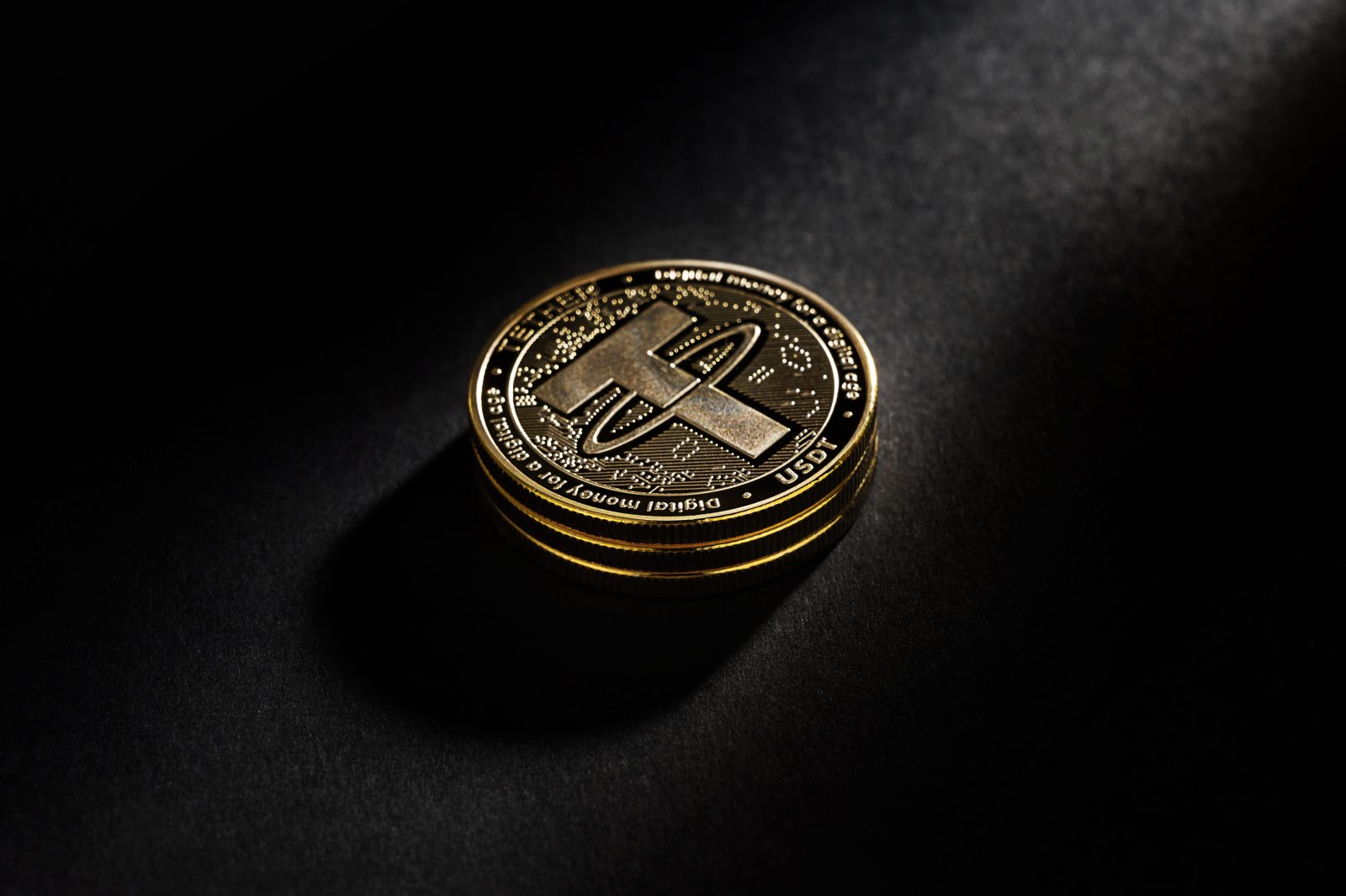
Tether, the world’s largest stablecoin issuer, denied reports this week that it had abandoned a $500 million digital asset and renewable energy initiative in Uruguay. The company emphasized its long-term commitment to building blockchain infrastructure in Latin America, even as uncertainty over regulatory frameworks and market conditions continue to weigh on the broader crypto sector. The clarification comes at a time when investors remain highly attuned to institutional credibility and the stability of major players in the digital asset ecosystem.
Market Reaction: Stability Amid Scrutiny
The controversy had little immediate impact on crypto markets, with Bitcoin trading around $63,800, down 0.4% over 24 hours, while Ethereum held steady near $3,120. Tether’s USDT maintained its dollar peg, reflecting investor confidence in its reserves despite renewed scrutiny of its operations. Daily trading volumes in USDT exceeded $70 billion, underscoring its dominance as the most widely used stablecoin for liquidity across centralized and decentralized exchanges.
Still, traders noted a slight uptick in futures hedging activity, with open interest in USDT-related perpetual contracts rising 2% as some market participants positioned defensively. The muted price reaction highlights both Tether’s entrenched role in crypto liquidity and the cautious stance of investors when corporate governance concerns surface.
Regulatory and Operational Implications
Reports surrounding Tether’s Uruguay operations initially raised questions about regulatory transparency and the feasibility of large-scale blockchain infrastructure in Latin America. Uruguay, known for its favorable renewable energy mix, has been seen as a potential hub for crypto-powered energy projects. Analysts suggested that abandoning such an initiative could have signaled waning institutional appetite for frontier-market blockchain development.
Tether’s denial, however, reaffirms its strategy to integrate renewable energy and digital infrastructure, aligning with broader industry trends toward sustainable mining and decentralized finance infrastructure. The episode underscores the heightened importance of clear communication in an environment where regulators in the U.S., Europe, and emerging markets are tightening oversight of stablecoins.
Investor Sentiment and Strategic Perspective
For institutional investors, the episode reinforced the dual nature of Tether’s role: on one hand, as a systemic anchor of crypto liquidity, and on the other, as a frequent target of scrutiny. Investor psychology remains shaped by lingering questions about Tether’s reserve transparency, even as the company publishes attestation reports and expands geographically.
Market strategists noted that for Israel-based investors and global funds, Tether’s footprint in emerging markets is being watched as a case study of how stablecoin issuers can integrate with real-world infrastructure. The Uruguay project—if pursued successfully—could provide both a model for sustainable crypto integration and a reputational boost for Tether in jurisdictions still undecided about stablecoin adoption.
Looking ahead, the key question for crypto investors is whether Tether can translate its dominant position in liquidity provision into broader institutional trust through sustainable infrastructure projects. Progress in Uruguay and similar markets may help ease regulatory concerns and expand adoption, but setbacks could reinforce skepticism. With stablecoins increasingly at the center of global policy debates, Tether’s ability to execute on its stated commitments will remain a critical variable shaping both investor confidence and market stability.
Comparison, examination, and analysis between investment houses
Leave your details, and an expert from our team will get back to you as soon as possible












https://shorturl.fm/revrJ
https://shorturl.fm/EqIud
https://shorturl.fm/4Tp4W