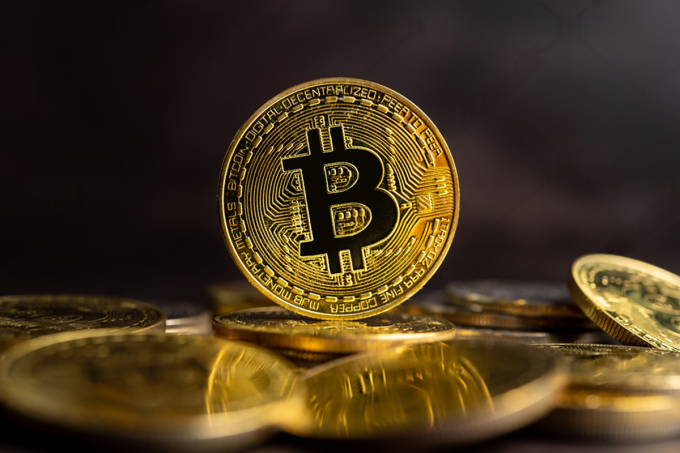
Bitcoin (BTC) has retreated from recent highs, prompting investors to reassess exposure through spot exchange-traded funds rather than direct cryptocurrency ownership. As market volatility persists, attention has increasingly turned to comparing major Bitcoin ETFs, including the iShares Bitcoin Trust ETF (IBIT) and the VanEck Bitcoin ETF (HODL), based on liquidity, costs, and institutional adoption rather than short-term price movements.
The renewed interest comes as cryptocurrency markets continue responding to macroeconomic uncertainty, monetary policy expectations, and geopolitical developments. For sophisticated investors, ETF selection has become less about predicting Bitcoin’s next move and more about evaluating the quality of the investment vehicle providing exposure.
Bitcoin Pullback Renews Institutional ETF Interest
Bitcoin opened trading on Friday at $63,788.52, approximately 1.4% below Thursday’s opening price. By 8:33 a.m. ET, BTC had eased further to $63,130.40, reflecting continued caution across digital asset markets.
Although Bitcoin has weakened in recent sessions, institutional investors generally view periods of consolidation as opportunities to reassess portfolio positioning rather than focusing exclusively on daily price fluctuations. Spot Bitcoin ETFs have become an important gateway for institutional capital because they provide regulated exposure without requiring direct custody of digital assets.
Professional investors continue monitoring ETF inflows, trading volumes, and liquidity as leading indicators of institutional demand for Bitcoin.
Comparing IBIT and VanEck’s Bitcoin ETF
The iShares Bitcoin Trust ETF (IBIT), managed by BlackRock, has emerged as one of the largest and most actively traded spot Bitcoin ETFs since its launch. Its scale, deep liquidity, and consistently strong institutional inflows have positioned it as a benchmark product within the growing digital asset ETF market.
The VanEck Bitcoin ETF (HODL), meanwhile, provides investors with another regulated avenue for Bitcoin exposure. While generally managing fewer assets than IBIT, it competes through its established presence in digital asset investing and its focus on expanding access to cryptocurrency-related investment products.
Institutional investors typically compare ETFs using factors such as assets under management, expense ratios, average daily trading volume, bid-ask spreads, and tracking efficiency. These operational characteristics can influence execution quality and long-term ownership costs even when the underlying Bitcoin exposure is similar.
Selection Criteria Extend Beyond Bitcoin’s Price
The recent decline in Bitcoin has shifted investor attention toward portfolio construction rather than short-term market timing. Professional asset managers increasingly evaluate ETF products based on liquidity, issuer reputation, operational resilience, and regulatory oversight instead of concentrating solely on the cryptocurrency’s daily performance.
Behavioral trends also suggest that institutional investors are adopting a more disciplined approach to digital assets, integrating Bitcoin into diversified portfolios while emphasizing risk management and investment efficiency. As competition among ETF issuers increases, product quality and operational execution are becoming important differentiators.
Rather than asking which ETF is universally “better,” institutional investors generally determine which product best aligns with their own objectives, liquidity requirements, cost considerations, and portfolio strategies.
Looking ahead, Bitcoin ETF competition is expected to intensify as institutional participation in digital assets continues expanding. Investors will likely monitor fund inflows, expense structures, trading liquidity, and regulatory developments alongside Bitcoin’s price performance. As the spot Bitcoin ETF market matures, operational efficiency and sustained institutional adoption may become increasingly important factors shaping the competitive positions of products such as IBIT and HODL, regardless of short-term cryptocurrency market volatility.
Comparison, examination, and analysis between investment houses
Leave your details, and an expert from our team will get back to you as soon as possible