Key Takeaways
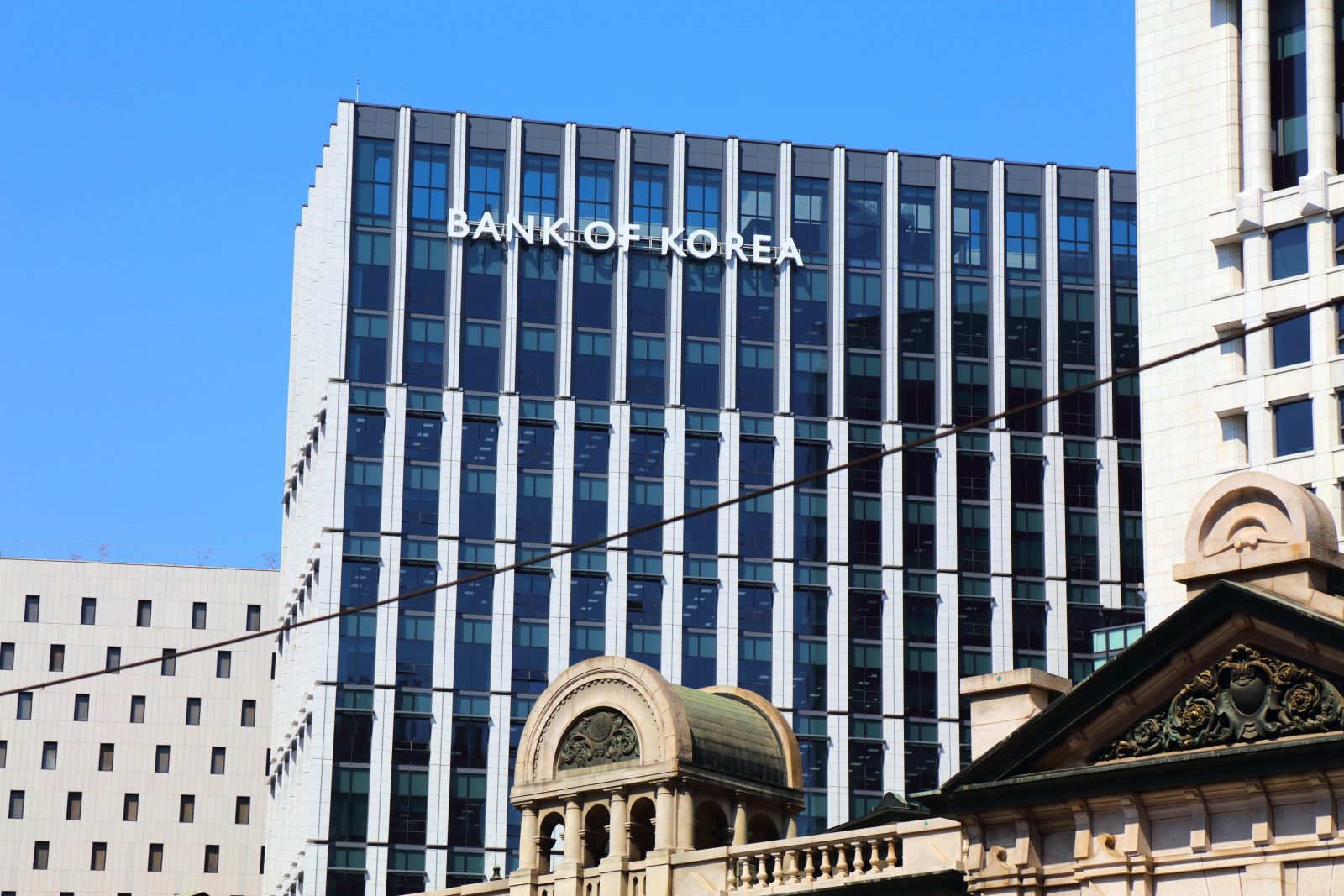
- The Bank of Korea has launched a pilot for a 24-hour offshore won settlement network designed to reduce barriers for foreign investors.
- The system operates from 9 a.m. to 9 a.m. the following business day and initially involves four major Korean banks, with overseas banks expected to join after full implementation.
- The reform could improve cross-border liquidity and market access while strengthening Korea’s position in global capital markets, with potential implications for digital-asset and tokenized-asset infrastructure.
The Bank of Korea has launched a pilot program for 24-hour offshore won settlement, marking another step in South Korea’s effort to internationalize its currency and make domestic financial markets more accessible to overseas investors. The initiative arrives as global markets operate increasingly across time zones, creating demand for settlement infrastructure capable of supporting continuous foreign-exchange and securities activity.
24-Hour Won Settlement Enters Pilot Phase
The BOK Won International Wire Network began trial operations on September 21 with Kookmin Bank, Woori Bank, Hana Bank and Shinhan Bank participating. The network operates continuously for 24 hours on business days, from 9 a.m. until 9 a.m. the following day, while remaining closed on weekends and public holidays.
An initial trial transaction between two participating domestic institutions was worth approximately 1.4 billion won, demonstrating the system’s operational launch. Full implementation is scheduled for January, when overseas banks are expected to join the network.
Lower Settlement Friction for Foreign Capital
The new infrastructure allows offshore investors to trade won with other foreign investors through accounts held by Registered Foreign Institutions for KRW Business in their home countries. That removes some of the timing and location constraints that previously complicated cross-border won settlement.
The reform follows South Korea’s launch of a 24-hour foreign-exchange market in July. Together, the two measures create a more continuous market structure for international investors, potentially improving liquidity during Asian, European and U.S. trading hours rather than concentrating activity within Korea’s traditional operating window.
Why It Matters for Digital-Asset Markets
For crypto investors, the development is relevant because digital-asset markets already operate around the clock. Bitcoin has recently traded above $80,000, with global daily turnover measured in tens of billions of dollars, highlighting the importance of settlement systems that can operate beyond conventional banking hours.
Although the BOK initiative is designed for traditional financial markets rather than cryptocurrencies, more flexible won settlement could eventually support tokenized securities, digital funds and other blockchain-based financial products denominated in Korean currency. Faster cross-border settlement can also reduce the operational mismatch between continuously traded digital assets and traditional fiat infrastructure.
Strategic Outlook for the Korean Won
The success of the pilot will depend on transaction volumes, operational reliability and participation by overseas financial institutions. Korea is also seeking greater accessibility to global capital markets and inclusion in major international investment benchmarks. If the 24-hour settlement network scales effectively after its January launch, it could strengthen the won’s international role while providing a more compatible fiat infrastructure for increasingly global, technology-driven financial markets.
Comparison, examination, and analysis between investment houses
Leave your details, and an expert from our team will get back to you as soon as possible