Key Points:
- The SEC and CFTC have introduced new crypto-related rules and guidance covering tokenized stocks, staking, token buybacks, custody and trading, but their long-term durability remains uncertain.
- Legal expert Yuriy Brisov says courts can overturn agency rules when regulators exceed their authority or fail to adequately justify their decisions, particularly following the US Supreme Court’s 2024 decision overturning Chevron deference.
- Future administrations may reverse regulatory approaches, but agencies generally need to provide a reasoned explanation and consider the economic consequences rather than simply discard existing rules.
SEC and CFTC Expand Crypto Regulatory Frameworks
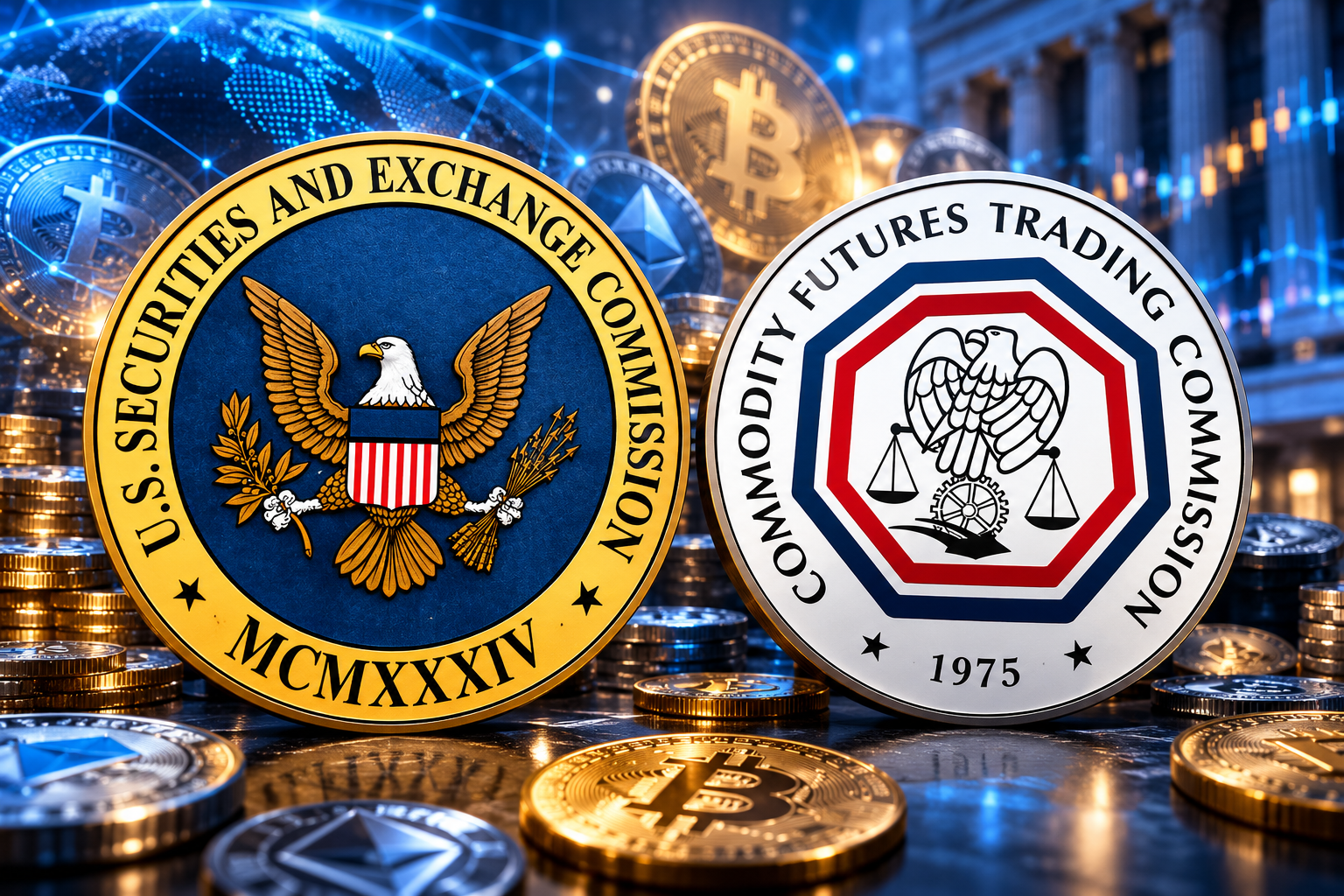
The US Securities and Exchange Commission (SEC) and Commodity Futures Trading Commission (CFTC) have advanced several cryptocurrency-related regulatory initiatives following the failure of the Senate’s CLARITY Act cloture vote, renewing debate over how durable the agencies’ policies will be.
The SEC has introduced a five-year exemption permitting certain stock-token issuance and trading activities. Companies have begun developing products under the evolving framework, including tokenized securities offerings involving publicly traded US companies.
The regulator has also issued guidance stating that a crypto token does not automatically become a security simply because a project buys back its own tokens. Separately, it has said liquid staking tokens are not securities and proposed new rules governing cryptocurrency custody.
The CFTC has pursued its own initiatives, including exemptions from registration requirements for certain crypto software providers, a proposed registration category for crypto asset markets and plans to allow registered exchanges to offer leveraged trading.
These measures could give digital asset businesses greater clarity about operating within the US financial system. However, industry participants remain concerned that policies established through agency rulemaking may be easier to reverse than legislation enacted by Congress.
Why Agency Rules Can Face Legal Challenges
Yuriy Brisov of D&A Partners said US regulatory agencies have authority to create rules under the statutes governing their activities. The SEC, for example, was established with powers to develop regulations implementing federal securities laws as financial markets evolve.
That authority is not unlimited. Companies and other affected parties can challenge regulations in court if they believe an agency exceeded its statutory powers or imposed requirements that cannot be adequately justified.
Brisov pointed to the 2011 case Business Roundtable v. SEC, in which a court rejected an SEC rule concerning shareholder proxy access after finding deficiencies in the agency’s analysis.
The case illustrates that regulatory expertise does not exempt agencies from judicial review. Regulators must explain the reasoning behind their decisions and adequately assess relevant economic consequences.
Brisov said the current SEC has consulted cryptocurrency businesses and venture capital firms while developing its policies. In his assessment, that work could help support the rules against challenges, although the outcome would ultimately depend on the specific regulation and the arguments presented in court.
Overturning Chevron Changes the Judicial Standard
A major development affecting regulatory litigation was the US Supreme Court’s 2024 decision in Loper Bright Enterprises v. Raimondo, which overturned the longstanding Chevron deference doctrine.
Under the earlier approach, courts generally deferred to an agency’s reasonable interpretation when a statute was ambiguous and Congress had not directly addressed the issue.
Following Loper Bright, courts must exercise independent judgment when interpreting statutes rather than automatically deferring to an agency simply because the law is unclear.
For cryptocurrency regulation, the change could make disputes over the boundaries of the SEC’s and CFTC’s authority more consequential. Courts may reach interpretations that differ from those adopted by the agencies, including in cases involving whether particular digital assets or activities fall within existing legal definitions.
Brisov said this does not mean that any dissatisfied company can overturn a regulation. A challenger still needs a legally sufficient basis for its case, and the outcome will depend on the applicable law and the evidence presented.
Could a Future Administration Reverse the Rules?
The possibility of a future administration changing course presents another source of uncertainty for crypto businesses investing in infrastructure based on current regulatory guidance.
Brisov argued that agencies cannot simply abandon an existing policy because new leadership dislikes it. They must provide a reasoned explanation for changing direction and address relevant legal and economic considerations.
That analysis may include the effects on businesses that have invested in products or infrastructure under the existing framework. If a regulatory approach has supported market development, an agency would need to consider the implications of reversing it.
However, investments made in reliance on a rule do not automatically make that rule permanent. Agencies can change policies when they have a legally defensible basis and follow the required procedures.
The distinction is important for companies building tokenized securities platforms, crypto trading services and custody infrastructure. Existing rules may provide a basis for operations, but they do not eliminate the possibility of future amendments, litigation or changes in enforcement priorities.
SEC Guidance Does Not Carry the Same Weight as Legislation
The durability of regulatory guidance also depends on the form it takes.
Brisov distinguished formal regulations from staff FAQs and explanatory materials. An FAQ may describe how agency personnel interpret or apply existing requirements, but it does not carry the same legal authority as legislation or a binding regulation.
That distinction matters for cryptocurrency businesses considering products such as token buyback programs. Following an agency FAQ may provide insight into the regulator’s current position, but it does not necessarily guarantee immunity from legal challenges or future changes in interpretation.
Brisov described FAQs as explanatory tools that can be revised as staff understanding and regulatory approaches evolve. Companies therefore need to distinguish between guidance that communicates an agency’s current interpretation and rules that have undergone formal adoption.
For businesses operating in uncertain areas of crypto law, the legal basis for a product remains important even when agency guidance appears supportive.
Outlook
The SEC and CFTC’s recent initiatives could provide cryptocurrency businesses with clearer pathways into US financial markets, but their long-term durability depends on statutory authority, judicial interpretation and the procedures used to establish or revise regulatory policies.
The end of Chevron deference gives courts a more independent role in interpreting ambiguous statutes, while agency rulemaking remains subject to legal and economic scrutiny. Future administrations may also revise existing approaches, provided they follow applicable legal requirements and offer reasoned explanations.
For crypto companies, the key distinction is between a policy that currently permits an activity and a legal framework that is resistant to future changes. Formal rules, staff guidance and legislation offer different levels of certainty, making the legal foundation of each product an important consideration as the US regulatory landscape continues to evolve.
Comparison, examination, and analysis between investment houses
Leave your details, and an expert from our team will get back to you as soon as possible