Key Takeaways
- Elon Musk called a potential SpaceX-Tesla merger a “good idea,” with independent committees at both companies evaluating a deal that could create a business valued at approximately $3.5 trillion.
- SpaceX revenue rose 161% year over year to $14.58 billion in the third quarter of 2026, while its AI division generated $7.56 billion.
- Capital expenditure reached $19.6 billion, underscoring the infrastructure costs and execution risks accompanying Musk’s expansion across artificial intelligence, robotics, energy and space.
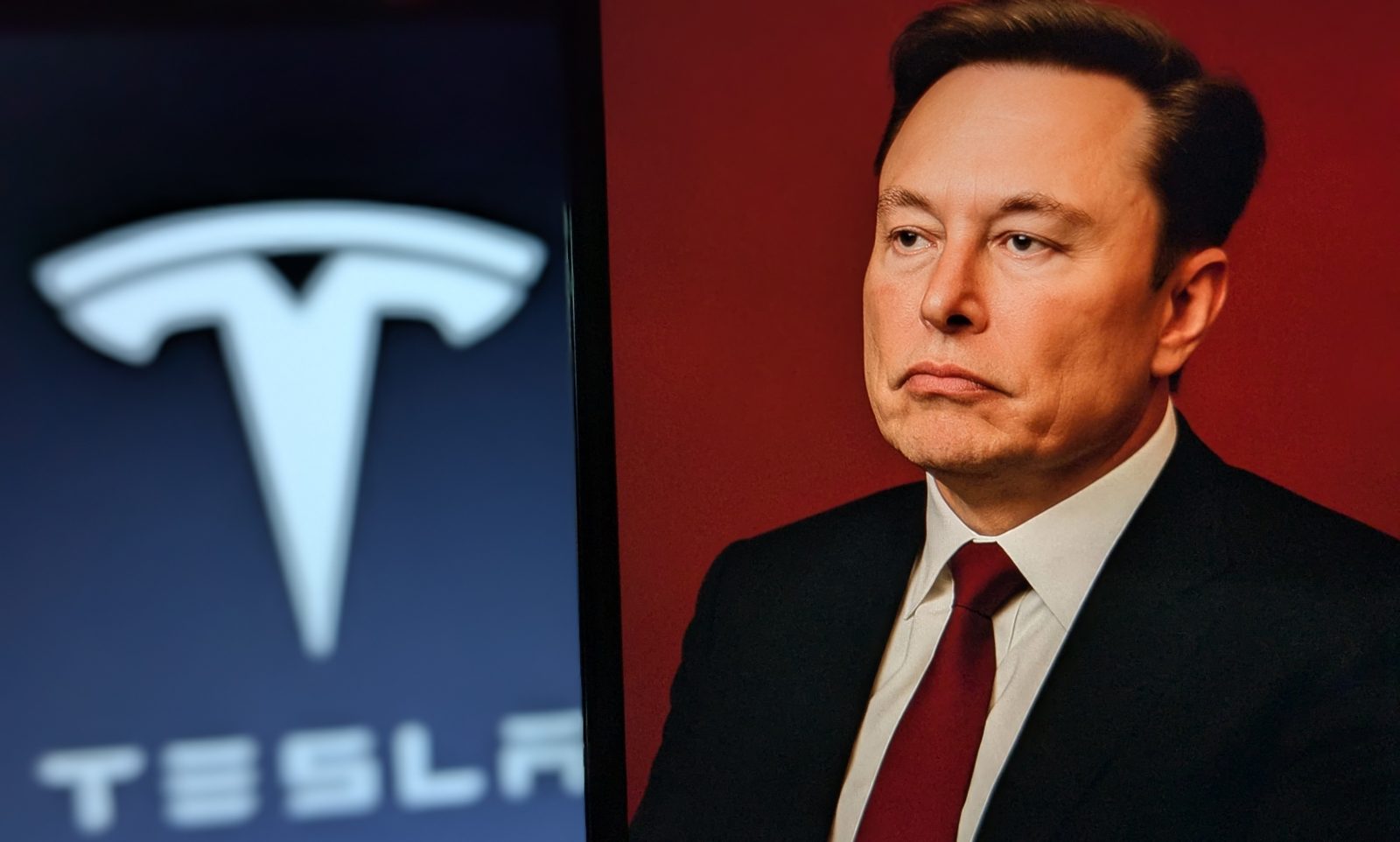
Elon Musk has endorsed a potential merger between SpaceX and Tesla as surging artificial intelligence revenue reshapes the economics of his business empire. The proposed combination would bring electric vehicles, satellite connectivity, space transportation and AI infrastructure under one corporate structure, reflecting a broader technology investment trend in which computing capacity and capital-intensive infrastructure are becoming central drivers of growth.
SpaceX AI Revenue Transforms Its Financial Profile
SpaceX reported third-quarter revenue of $14.58 billion, up 161% from a year earlier, and net income of $4.4 billion, reversing a loss of approximately $1.1 billion in the same period last year. Its AI division, known as Super Intelligence, generated $7.56 billion, increasing more than ninefold year over year and overtaking Starlink as the company’s largest revenue segment.
The AI business benefits from demand for computing capacity, enterprise adoption of Grok and SpaceX’s broader AI operations. Connectivity revenue, primarily associated with Starlink, reached $5.2 billion, supported by a subscriber base of 13.6 million.
However, rapid growth comes with substantial costs. SpaceX recorded $19.6 billion in capital expenditure during the quarter and projected spending of $35 billion to $40 billion for the fourth quarter. Investors must therefore distinguish expanding revenue from the long-term returns generated by investments in data centers, chips and computing infrastructure.
Merger Talks Center on AI, Chips and Robotics
Musk said SpaceX and Tesla had established special committees of independent directors to examine a potential merger following shareholder requests. He acknowledged that he could not participate in their discussions because of his conflicting interests, and no agreement on transaction terms had been reached.
A combined business could coordinate AI software development, chip design, robotics, manufacturing and connectivity. SpaceX’s computing infrastructure could complement Tesla’s autonomous-driving ambitions and robotics program, while shared technology investments could potentially reduce duplication.
The companies’ combined valuation has been estimated at approximately $3.5 trillion. Such a transaction would nevertheless present complex questions about valuation, governance, financing and the allocation of capital between businesses with different operating models. Musk also noted that Tesla shareholder approval would present a significant hurdle, with support from at least 50% of shareholders required.
Market Reaction Reflects AI Expectations
Following the earnings announcement and merger comments, SpaceX shares rose as much as 8% in extended trading, while Tesla shares gained approximately 1.8%. The reaction suggests investors are assessing the potential strategic benefits before any transaction has been agreed.
For crypto investors, the broader significance lies in the competition for AI computing resources, semiconductor capacity and energy infrastructure. These same constraints influence blockchain data centers and other digital-asset infrastructure businesses, although the companies operate under different economic models.
Execution Risks Remain Central
The next milestones are the committees’ findings, potential transaction terms and shareholder approval. SpaceX must also demonstrate that its AI expansion can generate sustainable returns without allowing capital requirements to overwhelm profitability. Until the merger process advances, the strategic opportunity remains conditional, and rising AI revenue does not eliminate the financial and governance risks of combining two major businesses.
Comparison, examination, and analysis between investment houses
Leave your details, and an expert from our team will get back to you as soon as possible