Key Points:
- OKX founder Star Xu accused Binance founder Changpeng Zhao of misleading customers about the factors behind Bitcoin’s latest decline from approximately $74,000 to briefly below $62,000.
- CZ denied that Binance was selling its cryptocurrency holdings, pointed to several possible explanations for the market decline and said he had personally purchased Bitcoin during the downturn.
- The dispute revives questions surrounding exchange transparency and leveraged trading, following the October 2025 crash that triggered approximately $19 billion in liquidations in a single day.
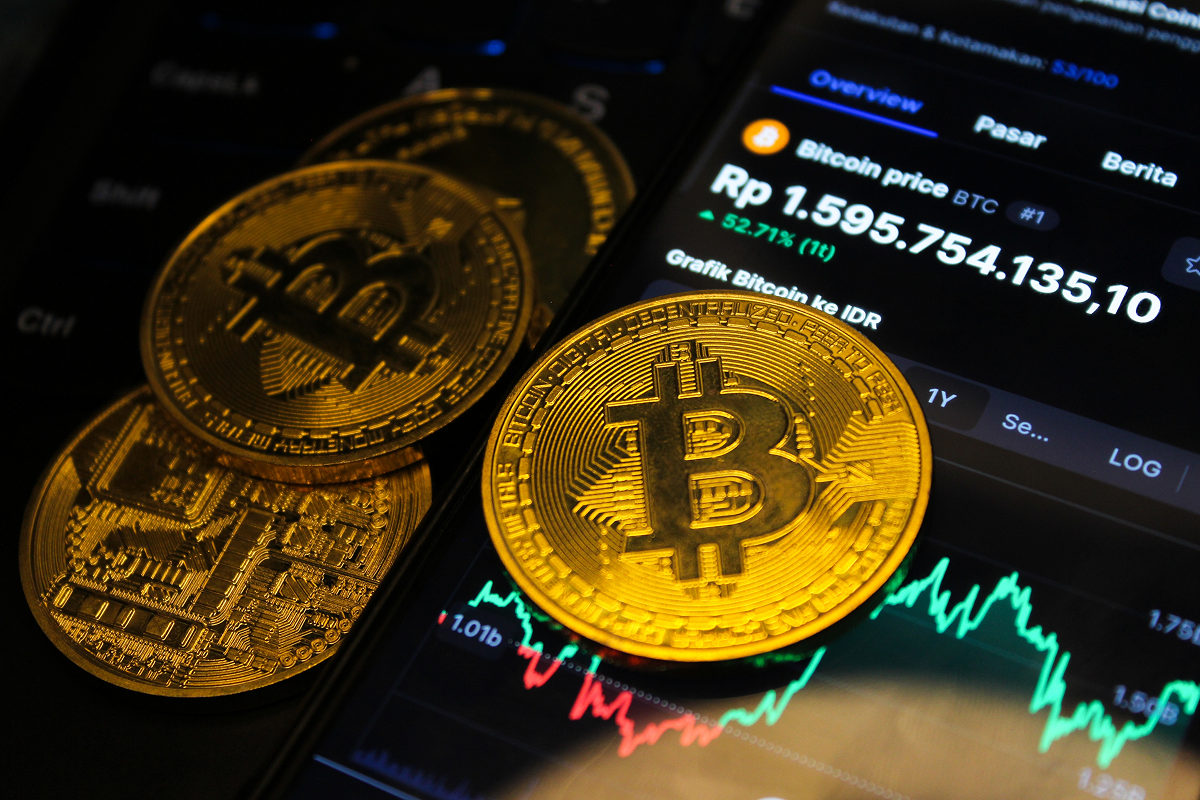
Bitcoin’s latest correction has reignited a longstanding rivalry between the founders of two major cryptocurrency exchanges, with OKX founder Star Xu publicly challenging Binance founder Changpeng Zhao (CZ) over the explanations surrounding the market decline. As Bitcoin fell from approximately $74,000 to briefly below $62,000, Xu accused Zhao of misleading customers about Binance’s role in successive October market crashes. The dispute adds another layer of uncertainty to an already volatile market, where exchange activity, leveraged positions and institutional capital flows are under increasing scrutiny.
Star Xu Challenges Binance’s Explanation for Bitcoin’s Decline
Xu criticized Binance’s public response to the latest sell-off, arguing that the exchange could not repeatedly face accusations surrounding market instability while presenting itself as an institution focused on protecting customers. In a post on X, he referenced two consecutive October market disruptions and questioned Binance’s approach to customer communication and responsibility.
Xu also argued that criticism of Binance is frequently dismissed as coordinated attacks by competitors, including OKX. His comments reflect a broader disagreement over how major exchanges should communicate their influence on market liquidity and trading conditions during periods of significant volatility.
Zhao rejected suggestions that Binance was responsible for the Bitcoin decline. He said the exchange was not selling cryptocurrency and that he had personally purchased Bitcoin in recent days. He also cautioned that market movements can have multiple explanations, emphasizing that correlation does not establish causation.
Multiple Factors Could Have Intensified Selling Pressure
Zhao identified several possible contributors to Bitcoin’s decline, including capital shifting toward Anthropic’s planned initial public offering, outflows from cryptocurrency exchange-traded funds, security concerns and uncertainty surrounding the U.S. economic and political environment.
These explanations point to a combination of liquidity and sentiment pressures rather than a single confirmed cause. Capital allocation toward major technology offerings could influence risk appetite, while sustained ETF outflows may weaken an important source of demand for Bitcoin. However, the source does not establish how much each factor contributed to the sell-off.
Security concerns have also become relevant following Binance’s reported $6.3 billion theft on October 29. Zhao acknowledged that exchange security incidents could discourage investors. Binance stated that it had replaced the affected assets using company funds and part of its Secure Asset Fund for Users (SAFU).
The October 2025 Crash Returns to the Debate
Xu’s criticism also revisits the October 2025 market crash, when Bitcoin declined from approximately $122,000 to below $105,000 within hours. The sell-off triggered roughly $19 billion in leveraged liquidations in one day, following U.S. President Donald Trump’s announcement of higher tariffs on China.
Xu previously argued that Binance’s lending and yield products encouraged excessive leverage before that episode. Binance, however, attributed the severity of the decline to heavy borrowing and insufficient buying liquidity across the market.
The disagreement highlights an important structural issue: leveraged cryptocurrency markets can experience substantial liquidation cascades when prices move against concentrated positions. Exchange lending products, collateral requirements and derivatives exposure can influence how quickly those movements spread, although the historical liquidation figures alone do not establish that a particular exchange caused the crash.
An Old Exchange Rivalry Adds to Industry Credibility Concerns
The dispute between Xu and Zhao predates Binance’s establishment in 2017. Zhao previously served as chief technology officer at OKCoin in 2014 before leaving the following year. Their departure was followed by disagreements over a contract involving early Bitcoin investor Roger Ver and the Bitcoin.com domain. Both parties subsequently exchanged allegations concerning the agreement, company conduct and trading volumes.
The rivalry resurfaced in April following the publication of Zhao’s memoir, Freedom of Money. Zhao also pleaded guilty in 2023 to violating U.S. anti-money-laundering rules and stepped down as Binance CEO. He received a presidential pardon in October 2025.
Going forward, investors will be watching exchange reserve movements, derivatives exposure, liquidation activity and the transparency of major trading platforms. The latest accusations remain disputed, and no publicly established evidence in the reported account proves that Binance orchestrated Bitcoin’s decline. Nevertheless, the confrontation highlights how exchange credibility has become an important consideration for institutional participants as cryptocurrency markets mature and demand stronger standards of transparency and risk management.
Comparison, examination, and analysis between investment houses
Leave your details, and an expert from our team will get back to you as soon as possible