Key Points:
- Zcash (ZEC) dropped to approximately $922, falling below the $1,000 threshold for the first time since September amid broader crypto-market turbulence.
- Despite the correction, Zcash remains up approximately 73% year-to-date, highlighting the contrast between its longer-term performance and recent volatility.
- The decline raises questions about valuation, market sentiment and whether the correction reflects a temporary pullback or a deeper shift in demand for privacy-focused cryptocurrencies.
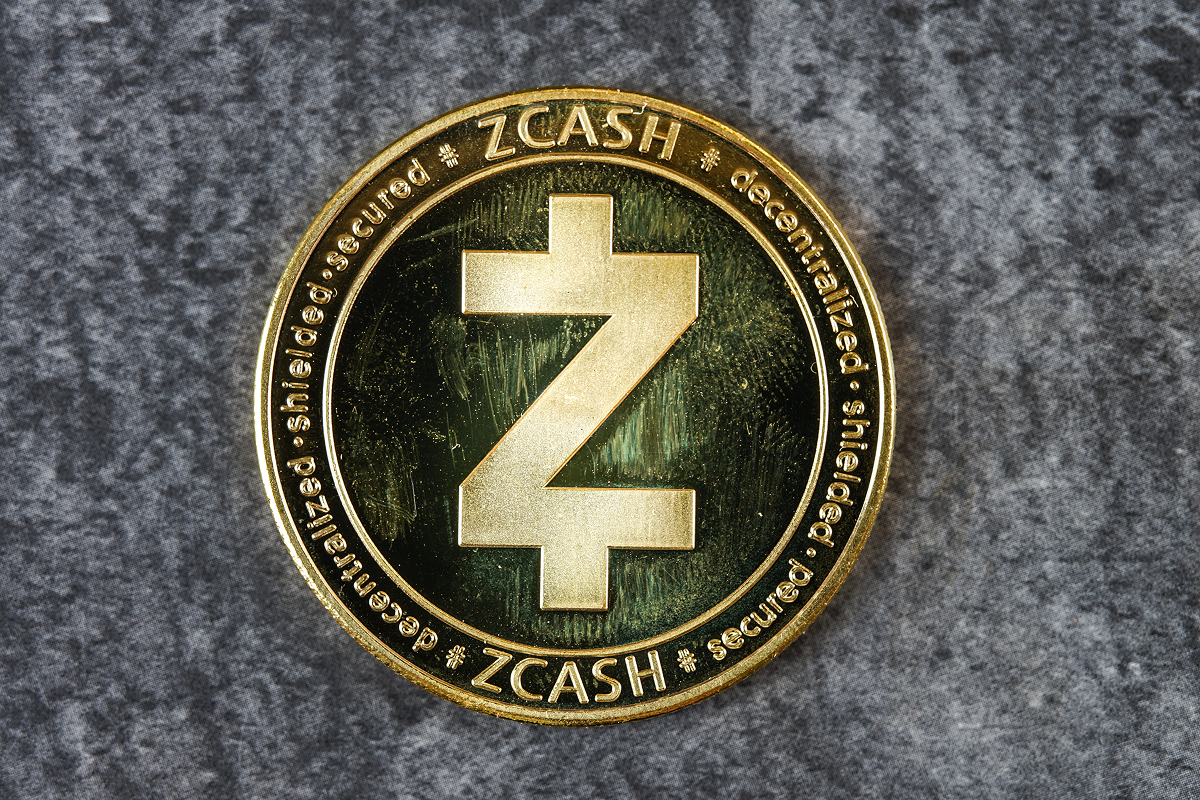
Zcash (ZEC) fell to approximately $922, breaking below the $1,000 level for the first time since September as volatility intensified across cryptocurrency markets. Although the token remains up approximately 73% year-to-date, the latest decline highlights the challenges facing digital assets following substantial rallies, particularly as investors reassess risk exposure amid uncertainty across global markets.
Zcash Loses the $1,000 Threshold Amid Market Volatility
The decline below $1,000 represents a notable reversal in Zcash’s recent price trajectory. The privacy-focused cryptocurrency had maintained a higher trading range since September, but renewed selling pressure pushed it below the psychologically significant threshold of $1,000.
Round-number levels often attract attention from traders and investors because they can influence market positioning, sentiment and technical analysis. However, a price break alone does not necessarily establish whether an asset is undervalued or whether additional downside risks remain.
Zcash’s approximately 73% year-to-date gain also places the correction in perspective. While the recent decline may appear substantial, the token’s broader performance remains positive for the year, suggesting that investors who entered positions earlier may still be holding considerable unrealized gains. Such circumstances can contribute to selling pressure when market conditions deteriorate or traders seek to protect profits.
Privacy Coins Face a Changing Market Environment
Zcash occupies a distinct position within the cryptocurrency market through its privacy-focused technology. Its shielded transaction capabilities are designed to allow users to conduct transactions without publicly exposing certain transaction details, including sender, recipient and transaction amounts, when shielded functionality is used.
Privacy-oriented digital assets operate within an evolving environment shaped by technological adoption, market demand, regulatory scrutiny and liquidity conditions. These factors can influence investor expectations differently from those surrounding cryptocurrencies primarily positioned as payment networks, smart-contract platforms or digital stores of value.
Consequently, Zcash’s price performance cannot be evaluated solely through its recent rally or correction. Investors must also consider whether the network’s technological capabilities, adoption, ecosystem activity and broader market positioning support continued interest in the asset.
Price Performance Alone Does Not Establish Value
The question of whether Zcash represents an attractive opportunity following its decline below $1,000 requires more than identifying a lower price. A correction may create a more favorable valuation under certain circumstances, but it can also reflect changing expectations regarding demand, liquidity, market conditions or future growth.
The token’s year-to-date appreciation of 73% demonstrates that its recent performance has been strong despite the latest turbulence. Nevertheless, past price gains do not establish future returns, and the magnitude of a decline does not automatically indicate that an asset has become undervalued.
Market Direction and Fundamentals Will Remain Important
Going forward, investors will monitor whether Zcash stabilizes below or recovers above the $1,000 level, alongside broader cryptocurrency market developments and evidence of sustained demand for privacy-focused blockchain technology. The latest correction may prompt renewed valuation discussions, but determining whether it represents a temporary pullback or a more prolonged adjustment will depend on market conditions, network developments and investor positioning rather than price alone.
Comparison, examination, and analysis between investment houses
Leave your details, and an expert from our team will get back to you as soon as possible