Key Points:
- The SEC charged eight entities allegedly involved in a scheme that stole more than $37 million from U.S. investors through fake cryptocurrency trading platforms and sham investment advisers.
- The alleged fraud used social media, private chats and fabricated financial credentials to convince victims that they were dealing with legitimate investment professionals.
- The case highlights the continuing risks of pig-butchering scams, in which fraudsters build trust before directing victims toward fraudulent investment platforms.
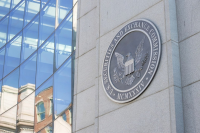
The U.S. Securities and Exchange Commission (SEC) has charged eight entities over an alleged fraudulent investment scheme that used fake cryptocurrency trading platforms and sham investment advisers to steal more than $37 million from U.S. investors. The case underscores the continuing threat of sophisticated investment fraud targeting individuals through digital communication channels, particularly as scammers exploit the growing interest in cryptocurrency trading and online investment services.
SEC Targets Eight Entities in Alleged Investment Fraud
The SEC’s complaint, filed in federal court in Colorado, targets eight entities registered in Colorado that regulators believe were likely operated by individuals located overseas. According to the allegations, the defendants presented themselves as legitimate investment advisers and cryptocurrency trading platforms, although the services were allegedly fraudulent and designed to divert investors’ money.
The regulator described the platforms and advisory operations as purported fronts for stealing investor funds. Victims were allegedly led to believe they were participating in legitimate financial activities and trading real digital assets, when their money was instead misappropriated by the scheme’s operators.
The allegations demonstrate how fraudulent operations can use corporate registration, online branding and fabricated documentation to create the appearance of legitimacy. However, registration records or documents presented by an investment platform do not independently establish that an entity is authorized to provide particular financial services or that its trading activities are genuine.
Social Media and Private Chats Used to Build Investor Trust
According to the SEC, the alleged fraud followed a pattern commonly associated with pig-butchering scams. Operators reportedly used social media to attract potential victims into group chats and private conversations, where individuals posing as investment advisers encouraged them to begin trading stocks on genuine U.S. markets.
Those initial transactions were allegedly intended to establish credibility and create confidence in the supposed advisers. Once victims became more comfortable with the operation, the fraudsters reportedly directed them toward a fake cryptocurrency trading platform and encouraged them to deposit increasingly larger amounts of money.
Investors believed they were purchasing and trading legitimate crypto assets, but the SEC alleges that the platform was fraudulent and the funds were stolen. This gradual approach can make investment fraud particularly difficult to identify, as initial interactions may appear professional and legitimate before victims are encouraged to transfer substantial amounts of capital.
Fabricated Regulatory Credentials Added to the Scheme
The alleged operators reportedly attempted to reinforce their credibility by manufacturing fake SEC certificates and submitting purported filings to the SEC, the Financial Industry Regulatory Authority (FINRA) and the Financial Crimes Enforcement Network (FinCEN).
According to the complaint, the fraudsters then directed skeptical investors toward these documents as supposed evidence that the investment businesses were legitimate. The alleged use of fabricated regulatory documentation highlights the risks of relying solely on certificates, screenshots, registration claims or links supplied directly by an investment promoter.
Regulatory verification should instead be conducted independently through official government and regulator databases, with investors carefully checking the identity of the actual entity and the scope of its authorization.
Investor Verification Remains Critical
The SEC’s action highlights the importance of independent verification when evaluating digital-asset investment opportunities. The combination of social-media outreach, personalized investment guidance, fabricated credentials and pressure to increase deposits represents a recurring pattern in online financial fraud.
As the case progresses, investors and industry participants will monitor the court proceedings and potential enforcement outcomes. The broader lesson for cryptocurrency markets is that digital investment fraud can imitate legitimate financial infrastructure, making transparency, independent verification and careful scrutiny of counterparties essential elements of risk management.
Comparison, examination, and analysis between investment houses
Leave your details, and an expert from our team will get back to you as soon as possible