


As the cryptocurrency industry matures into a multi-trillion-dollar ecosystem, the sophistication of cyber threats is evolving in lockstep. From large-scale exchange breaches to elaborate phishing campaigns and fake airdrops, the year 2025 has already witnessed a surge in attacks targeting both retail and institutional investors. Amid rising digital risks, the emphasis on cybersecurity in crypto has shifted from optional to essential.
A Rising Tide of Digital Threats
According to Chainalysis, over $1.9 billion worth of crypto assets were stolen through hacks and scams in 2024 — a 27% increase compared to the previous year. While on-chain transparency and smart contract audits have improved, attackers are exploiting new vulnerabilities through AI-generated deepfakes, cross-chain bridge exploits, and social engineering tactics.
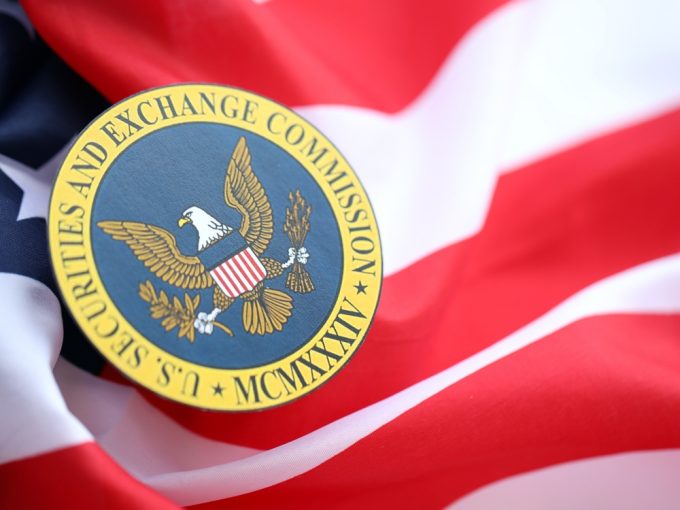
Recent incidents, such as the breach of a mid-tier centralized exchange resulting in a $45 million loss, have reignited discussions on investor security and regulatory preparedness. The U.S. Securities and Exchange Commission (SEC) has also hinted at tighter oversight of custodial standards, signaling a new phase in digital asset governance.
Key Security Measures for 2025
1. Hardware Wallet Adoption Surges:
With exchange-related thefts still prevalent, cold storage remains the gold standard. Hardware wallet manufacturers like Ledger and Trezor reported a 60% rise in sales in Q3 2025, reflecting growing awareness among investors about private key ownership.
2. Multi-Factor Authentication (MFA) as Default:
Leading crypto platforms are mandating MFA, with biometric verification now integrated into major mobile wallets. This trend reduces reliance on SMS-based codes, which have been a weak point for SIM-swap attacks.
3. Smart Contract Audits and On-Chain Insurance:
The decentralized finance (DeFi) sector continues to face vulnerabilities in unaudited code. However, insurance protocols like Nexus Mutual are expanding coverage, offering protection for verified projects — a sign that decentralized risk management is maturing.
4. AI-Driven Threat Detection:
Cybersecurity firms are deploying AI tools that scan transaction patterns in real time, flagging suspicious activity before losses occur. Exchanges implementing these systems reported a 35% reduction in fraudulent withdrawals year-over-year.
Investor Psychology and the Security Paradox
Interestingly, behavioral data shows that even as awareness rises, user complacency persists. Many investors still prioritize yield over safety — chasing staking rewards or new token launches without proper due diligence. This “security paradox” reflects a deeper psychological tension between the fear of missing out (FOMO) and the fear of loss, shaping much of crypto’s risk landscape.
The Road Ahead: Balancing Innovation and Protection
The next frontier for crypto security lies in user education and regulatory harmonization. Governments are likely to push for stronger know-your-customer (KYC) and cybersecurity standards, while the private sector explores decentralized identity systems to enhance safety without compromising privacy.
For investors, the message is clear: digital wealth demands digital discipline. As Web3 expands and institutional adoption accelerates, safeguarding assets will become not just a best practice — but a competitive advantage.
Comparison, examination, and analysis between investment houses
Leave your details, and an expert from our team will get back to you as soon as possible











Leave a comment