Key Takeaways
- First Comprehensive Central Bank Probe: The Bank of Korea initiated its first formal risk inquiry covering 31 major financial institutions, including 18 commercial lenders and 13 brokerages, evaluating institutional digital asset exposure.
- Stress-Testing Tail-Risk Scenarios: The regulatory assessment directly stress-tests institutional balance sheets against severe operational disruptions, including the theoretical shutdown of Upbit following a major cyber incident and prolonged market liquidity slumps.
- Fiduciary and Systemic Interconnection: While domestic spot trading volumes softened, the probe signals that monetary authorities are preparing prudential guardrails ahead of broader corporate adoption and digital asset legislation.
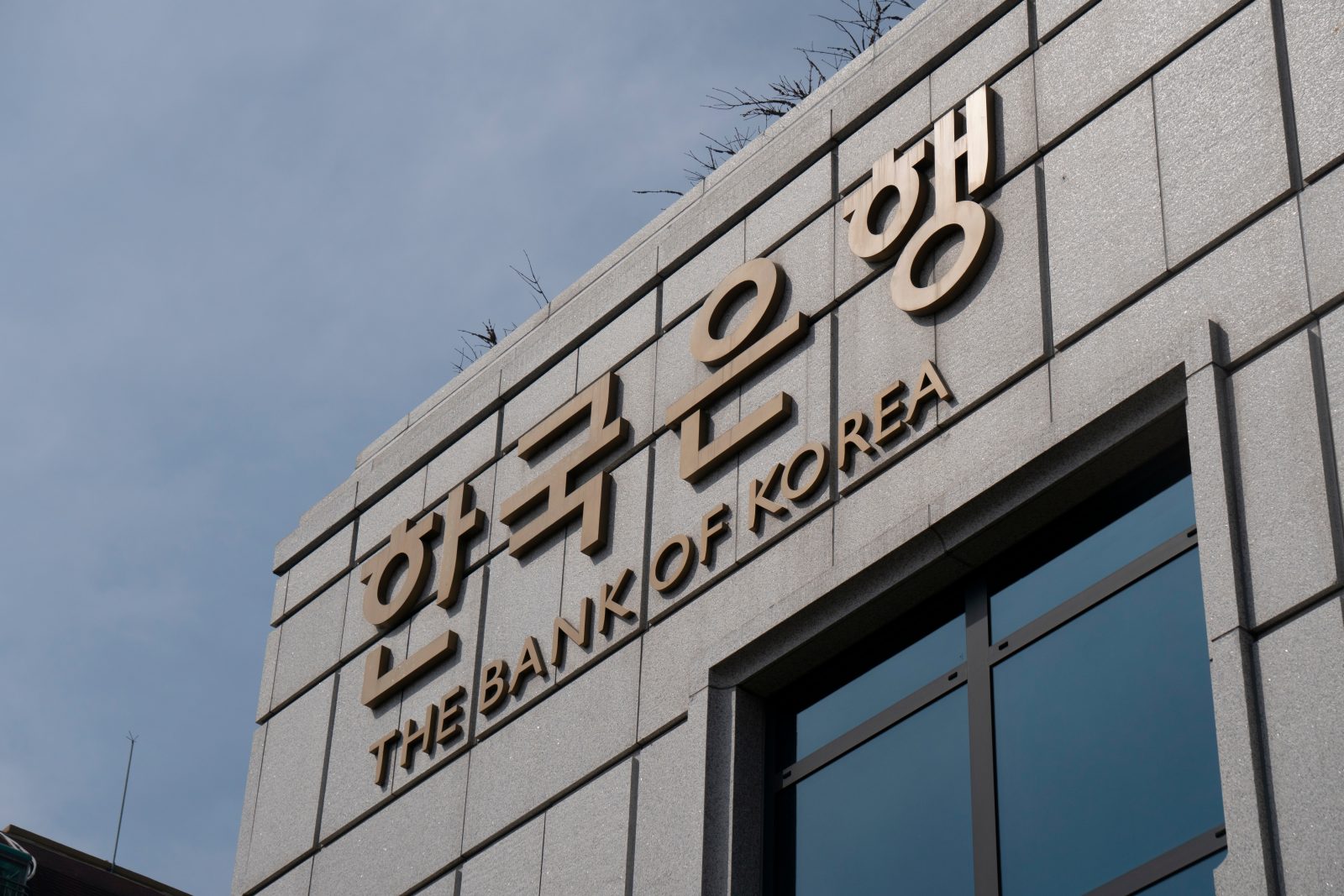
The Bank of Korea has initiated its first formal risk inquiry into the financial sector’s growing exposure to digital assets, issuing comprehensive stress-test questionnaires to 31 major banks and securities firms. The regulatory review demands that institutions quantify potential balance-sheet fallout from catastrophic industry disruptions, prolonged market drawdowns, or contagion from peer defaults. This central bank initiative arrives amid sensitive macroeconomic conditions, reflecting growing global scrutiny over how deeply decentralized infrastructure is intertwining with traditional capital market rails.
Market Reaction and Trading Liquidity
Domestic cryptocurrency activity displayed immediate risk aversion following the disclosure of the central bank review. South Korean trading venues recorded a 24.5 percent contraction in net Korean won fiat inflows as institutional desks and domestic liquidity providers calibrated risk budgets. The local sentiment gauge retreated toward fear levels near 37, mirroring cautious positioning observed across wider regional equities. Across onshore exchanges, the traditional kimchi premium narrowed to 0.45 percent, demonstrating subdued speculative demand as market participants digested potential liquidity constraints on partnered commercial bank accounts.
Stress Scenarios and Regulatory Mandate
The central bank probe requires detailed submissions from 18 commercial banks and 13 securities brokerages detailing staffing levels, specialized budgets, and direct venture equity investments in digital asset service providers. Crucially, the questionnaire introduces specific systemic shock simulations, asking firms to model liquidity shortfalls should South Korea’s largest cryptocurrency exchange suspend operations due to a severe infrastructure exploit. Authorities are also evaluating balance-sheet resilience against a prolonged 50 percent drop in digital asset trading turnover, as well as cross-institutional counterparty shocks stemming from heavy crypto-linked loan impairments.
Institutional Positioning and Behavioral Trends
The regulatory inquiry captures institutional participants caught between commercial innovation and compliance caution. Despite legislative delays surrounding South Korea’s second-phase Digital Asset Basic Act, major commercial lenders have actively developed institutional custody pilots and won-denominated stablecoin rails to capture enterprise transaction volume. Behavioral metrics suggest that institutional allocators are not abandoning blockchain initiatives, but rather pivoting from high-margin retail trading integrations toward federally compliant, ring-fenced fiduciary custody architecture that minimizes unhedged operational liability.
Strategic Outlook and Capital Guardrails
The Bank of Korea’s stress-testing initiative marks a definitive transition from isolated regulatory observation to proactive macroprudential integration. Submissions collected during the review are expected to shape upcoming statutory capital adequacy rules, mandatory liquidity coverage buffers, and operational cyber-defense standards for institutions offering digital asset services. For professional investors and infrastructure providers, long-term market access in the Asia-Pacific region will increasingly hinge on demonstrated balance-sheet resilience, multi-signatory custodial isolation, and robust risk governance that withstands central bank audit rigor.
Comparison, examination, and analysis between investment houses
Leave your details, and an expert from our team will get back to you as soon as possible