Key Points:
- Binance has expanded its wealth management services with 11 US-listed ETFs focused on short-term US Treasurys and investment-grade bonds.
- The new Binance Earn offering organizes the ETFs around cash management, steady income and yield enhancement strategies across different investment horizons.
- Users purchase actual ETF shares through traditional brokerage infrastructure, rather than tokenized versions, while Binance provides the trading interface.
Binance Expands Into Traditional Wealth Management
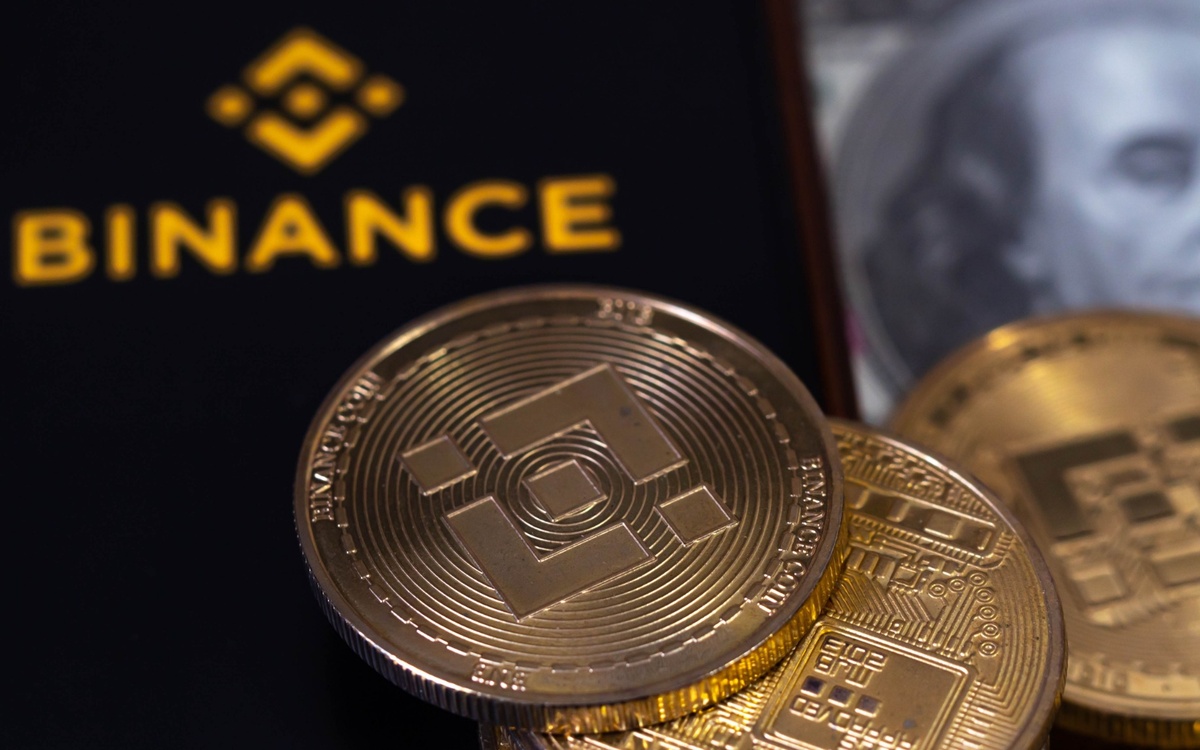
Binance is expanding its traditional finance offering by adding 11 US-listed exchange-traded funds to its wealth management platform.
The new products focus primarily on short-term US Treasury securities and investment-grade bonds, giving eligible users access to conventional fixed-income investments through Binance Earn.
The offering organizes the ETFs into three categories: cash management, steady income and yield enhancement. The products are designed around investment horizons ranging from less than six months to more than one year.
The expansion represents another step in Binance’s effort to combine cryptocurrency services with traditional financial products on a single platform.
Users Purchase Actual ETF Shares
The ETF service differs from tokenized-stock products because customers purchase the underlying ETF shares rather than blockchain-based representations of them.
Users can browse the available funds and place orders through Binance Earn. Binance provides the interface, while Nest Trading routes orders to Alpaca Securities for execution and custody of the securities.
Investors receive the economic benefits associated with the ETF shares, including changes in market value and cash distributions.
The structure therefore allows users to access traditional securities through a platform primarily known for cryptocurrency trading, while the underlying assets remain within conventional brokerage infrastructure.
Binance Broadens Its TradFi Offering
The ETF launch follows a series of moves by Binance to expand its traditional finance business.
Earlier this month, the exchange introduced physically settled options on more than 1,000 US stocks and ETFs, adding to its existing equities offering of more than 7,000 stocks and ETFs.
The expansion gives Binance users access to a wider range of financial instruments without requiring the underlying securities to be converted into crypto-based assets.
The strategy also reflects a broader convergence between digital-asset platforms and traditional financial services, as cryptocurrency exchanges increasingly provide access to stocks, ETFs, options and fixed-income products.
Bond ETFs Add a Defensive Component
The focus on short-term Treasury and investment-grade bond ETFs gives the new offering a different risk profile from Binance’s cryptocurrency products.
Treasury and high-quality bond funds are commonly used for cash management and income-oriented portfolios, while short-duration products can provide exposure to fixed-income markets with less interest-rate sensitivity than longer-duration bonds.
Binance’s categorization into cash management, steady income and yield enhancement allows users to select products based on their intended holding period and investment objectives.
However, the availability of these products and the applicable investment features can depend on the user’s jurisdiction and regulatory eligibility.
Tokenization Continues to Reshape ETFs
The expansion comes as financial institutions explore how blockchain technology could change the distribution and accessibility of exchange-traded funds.
A PwC survey cited in the announcement found that more than 80% of respondents believed tokenization would increase global reach and 24/7 accessibility within the ETF market over the following three years.
Binance’s latest offering takes a different approach by maintaining conventional ETF ownership and brokerage custody while using a cryptocurrency platform as the customer-facing interface.
Outlook
Binance’s addition of 11 US-listed ETFs expands its platform further into conventional wealth management while keeping the underlying securities within established brokerage infrastructure. The focus on Treasurys and investment-grade bonds also gives users access to asset classes that serve different portfolio functions from cryptocurrencies. As exchanges continue adding stocks, ETFs, options and other traditional instruments, the distinction between crypto platforms and broader digital wealth platforms is becoming increasingly less pronounced.
Comparison, examination, and analysis between investment houses
Leave your details, and an expert from our team will get back to you as soon as possible