Bitcoin and Ethereum staged one of their strongest rallies in months as a combination of Treasury market developments, regulatory progress and a historic short squeeze forced bearish traders to unwind positions. At the same time, major technology and financial companies continued expanding their stablecoin strategies, highlighting a broader shift toward digital assets as part of mainstream financial infrastructure.
The week demonstrated how closely crypto markets remain connected to macro liquidity conditions, institutional positioning and regulatory developments. While price momentum dominated headlines, the deeper trend was the increasing integration of blockchain-based payments and digital currencies into traditional technology platforms.
Market Reaction: Short Sellers Face Major Losses as Crypto Rebounds
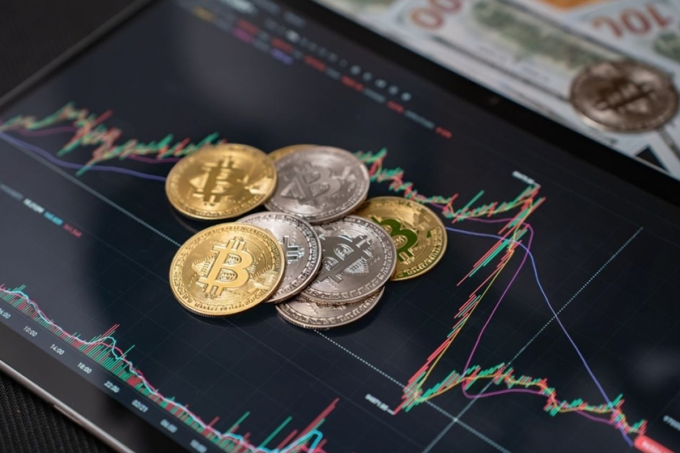
Bitcoin led the market recovery, climbing nearly 25% in a matter of days and approaching the $80,000 level after a period of prolonged weakness. The move was accelerated by a large-scale short squeeze, as traders positioned for further declines were forced to close bearish positions as prices moved higher.
Ethereum also benefited from the broader risk-on shift, with leveraged positions across major crypto assets being liquidated as momentum reversed. The squeeze highlighted how crowded bearish positioning had become after months of uncertainty surrounding interest rates, regulation and market liquidity.
Analysts noted that while forced liquidations contributed to the speed of the rally, the longer-term sustainability of the move depends on whether new spot demand and institutional participation continue after short-term positioning resets.
Treasury Policy Shift Changes Liquidity Expectations
A major catalyst behind the rally was the U.S. Treasury’s adjustment to its bond buyback strategy, which helped push long-term yields lower from elevated levels. Although analysts emphasized that Treasury buybacks are not equivalent to quantitative easing, the move improved market sentiment by reducing concerns around Treasury market liquidity.
The decline in long-term yield pressure encouraged investors to reassess exposure to risk assets, including cryptocurrencies. Bitcoin’s reaction reflected the sensitivity of digital assets to broader financial conditions, particularly when liquidity expectations improve.
However, analysts continue to monitor whether the Treasury action represents a temporary market-supporting factor or a lasting improvement in financial conditions. Higher inflation, renewed dollar strength or tighter monetary policy expectations could still introduce volatility.
Stablecoins Move Deeper Into Mainstream Platforms
Beyond market prices, the week also highlighted the growing importance of stablecoin infrastructure. Elon Musk’s X platform reportedly explored paying creators through stablecoins, reflecting a broader trend of technology companies integrating blockchain-based payments into existing digital ecosystems.
Stablecoins have increasingly attracted attention from banks, payment companies and technology firms because they offer faster settlement and global accessibility compared with traditional payment rails. The expansion of stablecoin use cases suggests that digital assets are moving beyond trading applications toward broader financial services.
For crypto investors, the development is significant because stablecoins serve as a critical bridge between traditional finance and blockchain networks. Increased adoption could influence liquidity, transaction activity and demand for blockchain infrastructure.
Regulation Remains a Key Market Driver
Regulatory developments also remained central throughout the week, with policymakers continuing discussions around digital asset market structure and oversight. Greater regulatory clarity has become an important factor for institutional participation, particularly as financial firms expand crypto-related products and services.
The combination of regulatory progress, institutional involvement and improving liquidity expectations created a more constructive environment for digital assets. However, markets remain sensitive to political developments and future policy decisions.
Looking ahead, investors will be watching whether the recent rally develops into a sustained recovery or fades after the short squeeze-driven momentum declines. Key factors include continued institutional flows, Treasury market stability, regulatory developments and whether stablecoin adoption expands into practical payment and financial applications.
Comparison, examination, and analysis between investment houses
Leave your details, and an expert from our team will get back to you as soon as possible