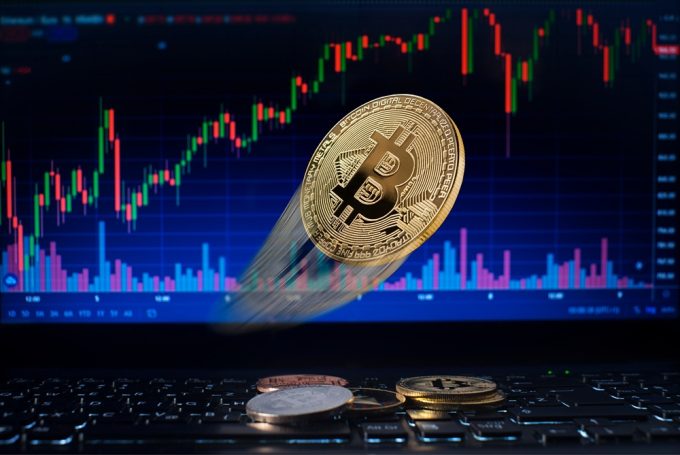
Bitcoin and Ethereum prices moved lower on Wednesday, July 8, 2026, after escalating tensions between the United States and Iran triggered a broader risk-off reaction across global financial markets. The decline reflects the increasing sensitivity of digital assets to geopolitical developments, as institutional investors continue treating cryptocurrencies as part of a wider macro investment landscape rather than an isolated asset class.
The latest market move highlights how geopolitical uncertainty, energy market risks, and shifting investor sentiment can influence crypto valuations. While Bitcoin has increasingly gained recognition as a long-term digital asset, short-term price movements remain closely linked to global liquidity conditions and broader risk appetite.
Crypto Markets React to Geopolitical Risk and Reduced Risk Appetite
Following reports of U.S. strikes against Iran, major cryptocurrencies experienced downward pressure as investors reduced exposure to risk-sensitive assets. Bitcoin declined alongside other financial markets, while Ethereum and several major altcoins recorded larger percentage losses as traders moved toward more defensive positioning.
According to market data, Bitcoin remained near the upper range of recent trading levels but experienced increased volatility, while Ethereum faced additional selling pressure due to its historically higher sensitivity to market risk cycles. The broader cryptocurrency market capitalization also declined as investors reassessed exposure across digital assets.
The market reaction reflects a familiar pattern during periods of geopolitical stress. Larger, more liquid assets such as Bitcoin often experience relatively stronger resilience, while smaller cryptocurrencies typically face greater volatility due to lower liquidity and higher dependence on speculative demand.
Macroeconomic Factors Continue Driving Digital Asset Performance
The crypto market decline occurred alongside uncertainty in traditional financial markets, where investors monitored developments in energy prices, currency markets, and global economic stability. Geopolitical conflicts can influence inflation expectations and central bank policy decisions, creating additional complexity for investors managing multi-asset portfolios.
For cryptocurrency investors, the relationship between digital assets and macroeconomic conditions has become increasingly important. Since the introduction of institutional investment products and greater participation from professional funds, Bitcoin has become more connected to broader market cycles, including interest rate expectations and global liquidity trends.
Ethereum’s performance also remains tied to developments within the blockchain ecosystem, including network activity, decentralized finance adoption, and institutional demand. However, during periods of uncertainty, short-term market movements are often dominated by macroeconomic sentiment rather than network-specific fundamentals.
Investor Sentiment Shifts Toward Risk Management
The latest decline demonstrates how investor psychology influences cryptocurrency markets during periods of uncertainty. When geopolitical risks increase, investors often prioritize liquidity and capital preservation, resulting in reduced exposure to assets perceived as more volatile.
Professional investors have increasingly approached cryptocurrency allocation through a risk-management framework, evaluating factors such as volatility, correlation with traditional markets, and portfolio diversification benefits. The current market environment highlights the importance of understanding both crypto-specific developments and global economic conditions.
At the same time, volatility remains a defining characteristic of digital assets. Historical market cycles show that geopolitical events can create sharp short-term movements, but longer-term trends are generally shaped by adoption, regulation, institutional participation, and technological development.
Looking ahead, crypto investors will continue monitoring the evolution of the U.S.–Iran conflict, global market reactions, and monetary policy signals for indications of further volatility. Bitcoin and Ethereum’s ability to stabilize during geopolitical uncertainty will remain an important indicator of how digital assets are maturing within global financial markets. As institutional participation expands, the relationship between crypto prices and macroeconomic events is likely to remain a central factor influencing market behavior.
Comparison, examination, and analysis between investment houses
Leave your details, and an expert from our team will get back to you as soon as possible