Key Points:
- Spot Bitcoin ETFs have recorded nearly $2.9 billion in net outflows during November, compared with approximately $500 million in October, indicating weakening demand for regulated Bitcoin investment products.
- Anthropic’s pre-IPO perpetual futures on Hyperliquid traded above $100 per share, compared with the $83 IPO price, highlighting continued investor enthusiasm for artificial intelligence-related opportunities.
- Wintermute described institutional, retail, ETF and digital asset treasury flows as flat to negative, while markets increasingly anticipate a 25-basis-point Federal Reserve rate increase in December.
Investor attention is increasingly divided between the artificial intelligence sector and a cryptocurrency market struggling to regain momentum. As Anthropic prepares for its Nasdaq debut, pre-IPO trading activity has indicated strong demand for the company’s shares, while Bitcoin exchange-traded funds are experiencing substantial withdrawals. The divergence highlights a shift in market positioning as investors reassess exposure to digital assets amid expectations of tighter U.S. monetary policy.
Anthropic IPO Attracts Capital as Crypto Demand Weakens
Crypto traders have been pricing Anthropic shares above $100 on Hyperliquid through pre-IPO perpetual futures contracts, significantly higher than the $83 price paid by investors in the company’s initial public offering. The activity reflects confidence in the AI sector, even as cryptocurrency investment appetite weakens.
Hyperliquid’s pre-IPO perpetual futures have attracted attention because of their historical performance in anticipating public-market openings. Research monitored by Grayscale examined eight public share offerings and found that these contracts correctly indicated the opening direction or price level on seven occasions, according to the CoinDesk report.
However, these contracts represent derivatives-based market expectations rather than ownership of the underlying company’s shares. Their pricing should therefore be interpreted as an indicator of speculative positioning, not a guaranteed forecast of Anthropic’s eventual trading performance.
The growing interest in AI-related opportunities has also raised questions about whether capital and attention are moving away from cryptocurrency markets. While the available data do not establish a direct transfer of funds from Bitcoin into Anthropic-related trading, the contrast between the two markets illustrates changing investor preferences.
Bitcoin ETF Withdrawals Signal Deteriorating Institutional Sentiment
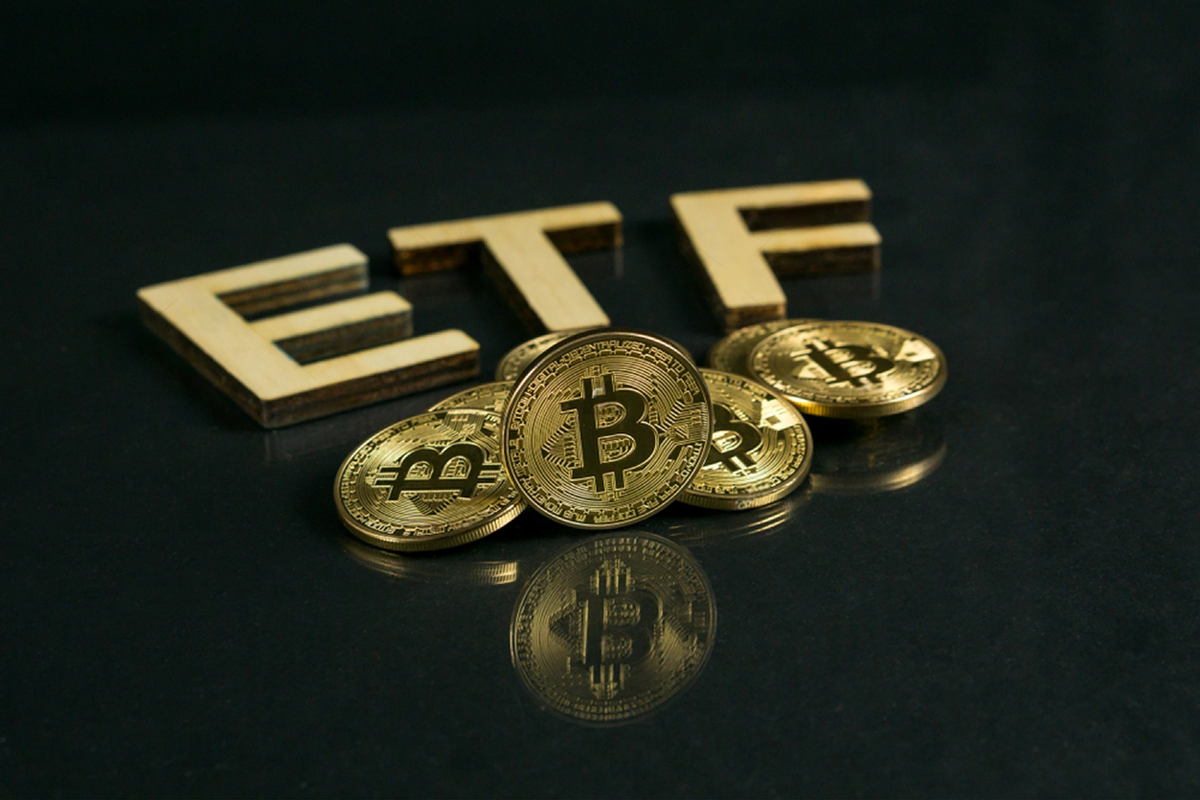
Spot Bitcoin ETFs have recorded nearly $2.9 billion in net outflows during November, a substantial increase from approximately $500 million in October. The figures suggest that investors have become more cautious about maintaining Bitcoin exposure through regulated exchange-traded products.
Market research firm Wintermute described the broader environment as a continuing bear-market phase, arguing that the recovery from the July low had not established a sustainable upward trend. The firm noted that flows across ETFs, digital asset treasuries, retail investors and institutional participants were generally flat or negative.
In its market analysis, Wintermute stated: “Every channel across ETF, DATs, retail and institutional flow is all pointing flat to down.” The firm argued that a convincing improvement across these channels would be necessary before confidence in a renewed uptrend could return.
The assessment reflects concerns that Bitcoin’s price recovery has not been accompanied by sufficiently strong capital flows. ETF withdrawals do not capture every source of cryptocurrency demand, but they remain an important indicator of investor positioning in regulated investment vehicles.
Federal Reserve Expectations Add Pressure to Risk Assets
Monetary policy is another factor influencing the market outlook. Traders are increasingly pricing in a 25-basis-point Federal Reserve rate increase in December, a development that could affect demand for risk-sensitive assets, including cryptocurrencies and technology stocks.
Higher interest rates can increase the relative attractiveness of cash and fixed-income instruments while raising financing costs and potentially reducing liquidity available for speculative investments. However, the relationship between monetary policy expectations and individual asset prices is not automatic, and market movements also depend on earnings expectations, investor positioning and broader economic conditions.
The AI sector is also facing its own market test. Reports of consecutive declines in major U.S. equity indexes, alongside uncertainty surrounding the sustainability of AI-related valuations, indicate that enthusiasm for the sector is not without risk. Anthropic’s public debut is therefore attracting attention at a time when investors are reassessing both technology and cryptocurrency exposures.
Solana Technical Indicators Offer a Separate Market Signal
CoinDesk’s market commentary also highlighted a potentially stabilizing technical pattern in Solana (SOL). Its weekly chart showed the token testing Fibonacci retracement support around $73.50, while its relative strength index stood near 38.7, approaching oversold territory.
These indicators suggest that downside momentum may be weakening, although they do not confirm a market reversal. Technical support levels can fail, and an RSI reading near oversold territory does not independently establish that selling pressure has ended.
Capital Flows Will Determine Whether Crypto Sentiment Recovers
The current market environment reflects competing investment priorities. Anthropic’s IPO is attracting attention through AI-related trading activity, while Bitcoin ETFs are experiencing withdrawals and market participants remain cautious about the Federal Reserve’s next policy decision.
Going forward, investors will be watching whether Bitcoin ETF flows stabilize, whether institutional and retail participation improves and how markets respond to the expected December rate decision. Anthropic’s Nasdaq performance may provide another indication of appetite for AI-related equities, but a recovery in cryptocurrency markets will ultimately depend on renewed demand within digital assets themselves. Until capital flows improve more consistently, the sustainability of Bitcoin’s next recovery attempt will remain an important question.
Comparison, examination, and analysis between investment houses
Leave your details, and an expert from our team will get back to you as soon as possible