Key Points
-
Hong Kong’s Securities and Futures Commission added Hyperliquid to its Alert List on November 19.
-
The regulator said the platform lacks a local license and may have marketed its services to Hong Kong investors.
-
Hong Kong’s suspicious virtual asset trading platform list now contains 69 entries.
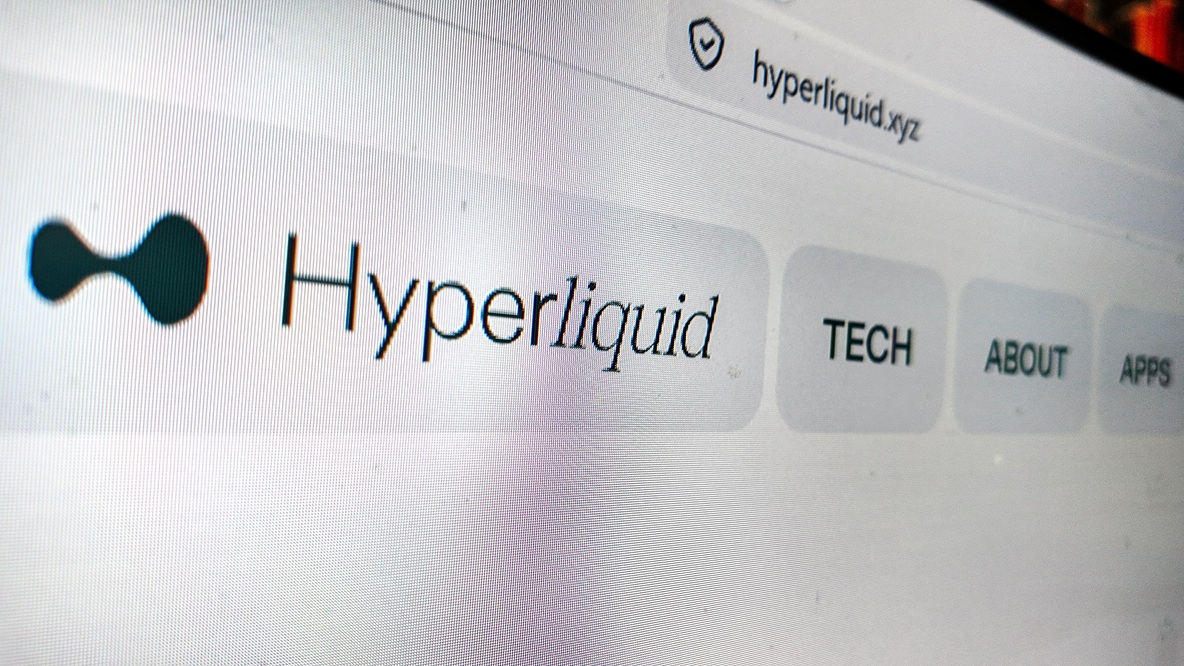
Hong Kong’s Securities and Futures Commission (SFC) has added decentralized derivatives exchange Hyperliquid to its Alert List, raising regulatory concerns over the platform’s licensing status and potential activities targeting investors in the city.
The regulator added Hyperliquid and Hyperliquid Hong Kong to its list on Wednesday, identifying the exchange’s trading website and warning that the entities are not licensed to operate in Hong Kong.
Regulatory Concerns Over Local Operations
The SFC said it suspects Hyperliquid of operating a trading platform in Hong Kong, claiming to operate one locally or actively marketing its services to the Hong Kong public.
The warning places the decentralized exchange within the regulator’s broader monitoring efforts targeting virtual asset trading platforms that may be operating without appropriate authorization.
Hong Kong’s suspicious virtual asset trading platform list now includes 69 entries, reflecting continued regulatory scrutiny of cryptocurrency services and their accessibility to local investors.
Hyperliquid Faces Regulatory Attention in Singapore
Hong Kong’s action follows a similar move by Singapore’s Monetary Authority of Singapore (MAS), which added Hyperliquid to its Investor Alert List on June 26.
Singapore’s alert list includes companies and entities that investors may mistakenly believe are regulated by the central bank.
At the time, Hyperliquid said it had never claimed to hold a Singapore license, responding to the regulatory listing.
Regulatory Pressure on Decentralized Trading Platforms
The developments highlight the growing scrutiny facing decentralized cryptocurrency exchanges, particularly platforms offering derivatives and leveraged trading services across international markets.
Regulators are increasingly focused on whether decentralized platforms are accessible to local investors, actively market their services within jurisdictions and comply with licensing requirements.
For Hyperliquid, the latest Hong Kong warning adds to its regulatory exposure in Asia. The broader implications will depend on whether regulators pursue additional enforcement measures and how decentralized trading platforms respond to licensing and market-access requirements across different jurisdictions.
Comparison, examination, and analysis between investment houses
Leave your details, and an expert from our team will get back to you as soon as possible