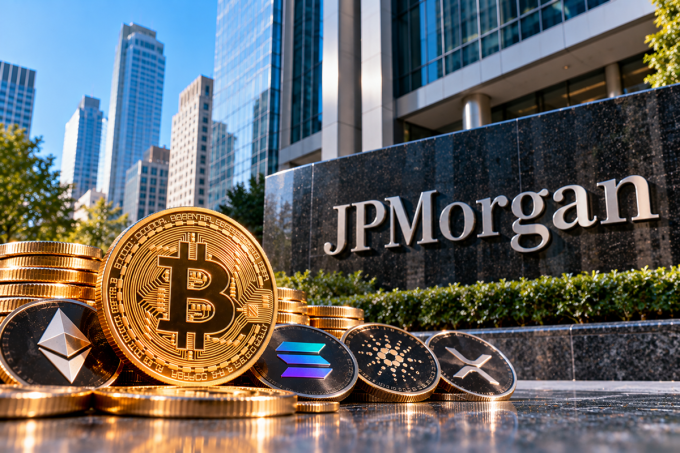
Bitcoin and Ethereum traded in mixed fashion on Thursday, July 16, as investors balanced short-term price volatility against improving long-term fundamentals across the digital asset market. While Bitcoin remained under modest pressure, Ethereum continued attracting institutional attention amid growing optimism surrounding tokenization, staking, and blockchain infrastructure.
The latest market action reflects a cryptocurrency sector increasingly influenced by macroeconomic conditions, regulatory progress, and institutional capital flows rather than speculative retail trading alone. For professional investors, the divergence between Bitcoin and Ethereum highlights the evolving investment narratives supporting the industry’s two largest digital assets.
Bitcoin Consolidates Above Key Support
Bitcoin (BTC) opened trading at $64,720.36, representing a decline of approximately 0.4% from Wednesday’s opening price. By 8:26 a.m. ET, the cryptocurrency had eased further to $64,065.98, reflecting continued consolidation following recent market volatility.
Although the pullback was relatively modest, Bitcoin remained comfortably above the psychologically important $64,000 level, suggesting that institutional buyers continue supporting the market during periods of short-term weakness. Professional investors continue monitoring ETF capital flows, derivatives positioning, and macroeconomic data to assess Bitcoin’s near-term direction.
With Bitcoin maintaining a market capitalization exceeding $1 trillion, analysts generally view the current price action as part of a broader consolidation phase rather than a material shift in long-term market structure.
Ethereum’s Institutional Investment Case Continues to Strengthen
Ethereum (ETH) opened at $1,917.05, reflecting a gain of approximately 1.5% compared with the previous day’s opening price. By 8:26 a.m. ET, ETH had traded at $1,877.39, giving back part of its earlier gains while remaining one of the strongest-performing large-cap digital assets.
Market participants increasingly describe Ethereum as becoming “increasingly compelling” due to its expanding role in decentralized finance, stablecoin settlement, tokenized real-world assets, and enterprise blockchain applications. Institutional investors continue viewing Ethereum as both a digital asset and foundational infrastructure supporting blockchain-based financial services.
The network’s growing adoption by financial institutions exploring tokenization and digital settlement solutions has strengthened Ethereum’s long-term investment narrative beyond short-term cryptocurrency price movements.
Investor Focus Shifts Toward Long-Term Blockchain Adoption
Institutional investors are increasingly separating temporary market volatility from broader structural developments within the cryptocurrency ecosystem. While Bitcoin continues serving as the dominant digital store of value, Ethereum’s expanding utility has positioned it as a leading platform for programmable finance and tokenized assets.
Investor psychology has also evolved significantly. Rather than reacting solely to daily price fluctuations, professional market participants increasingly evaluate blockchain networks based on adoption metrics, developer activity, institutional participation, regulatory clarity, and ecosystem growth.
Macroeconomic developments—including interest rate expectations, inflation data, and liquidity conditions—remain important variables affecting digital asset performance. However, long-term blockchain adoption continues to provide a supportive backdrop for institutional cryptocurrency investment strategies.
Looking ahead, investors will closely monitor central bank policy, cryptocurrency ETF flows, regulatory developments, and enterprise blockchain adoption as key drivers of market direction. While Bitcoin continues consolidating above major support levels, Ethereum’s expanding institutional use cases may strengthen its long-term competitive position. For sophisticated crypto investors, the evolving relationship between digital asset infrastructure and traditional finance remains one of the most significant themes shaping the next phase of market development.
Comparison, examination, and analysis between investment houses
Leave your details, and an expert from our team will get back to you as soon as possible