
Key Points:
- The median Bitcoin payment at U.S. Square merchants was approximately $13, while the average transaction reached $29.
- Food and drink accounted for 72.3% of Bitcoin payments, with coffee shops and fast-food businesses leading spending activity.
- Nearly 86% of repeat Bitcoin payments occurred within 30 days, suggesting recurring usage among identifiable Cash App customers.
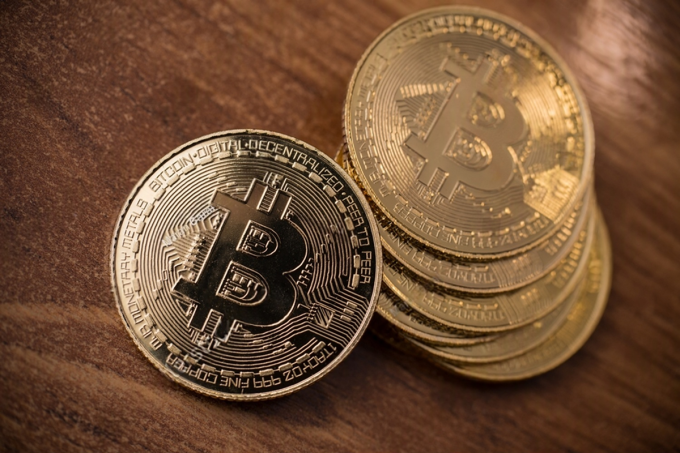
Bitcoin (BTC) is increasingly being used for everyday purchases in the United States, including coffee, meals and groceries, according to a new report from Block Inc. (NYSE: XYZ), the financial technology company behind Square and Cash App. The findings offer a glimpse into Bitcoin’s evolving role beyond investment and trading, as payment infrastructure, consumer behavior and cryptocurrency adoption continue to develop alongside broader digital-finance trends.
Small Transactions Dominate Bitcoin Payments
Block’s State of Bitcoin Payments report, released on November 19, analyzed Bitcoin transactions made at U.S. Square sellers between November 1, 2025, and October 15, 2026. The study found a median payment of approximately $13 and an average transaction value of $29, illustrating that most Bitcoin payments are relatively small.
Nearly 65.1% of transactions were below $20, while 42.4% were under $10. Additionally, 98.1% of payments were below $200, reinforcing the concentration of activity around everyday purchases rather than large commercial transactions.
The findings are relevant to Bitcoin’s long-term adoption debate. While the cryptocurrency is frequently discussed as a store of value or institutional asset, payment data provides a different measure of utility, demonstrating whether consumers are using it to purchase goods and services within existing commercial networks.
Coffee and Food Businesses Lead Spending Activity
Food and drink businesses accounted for 72.3% of Bitcoin payments through Square during the study period. Coffee shops and fast-food establishments represented 62.6% of payments within that category, with a median transaction of $9.10.
Restaurants accounted for 21.8% of food and drink payments, with a median transaction of $20.48. Grocery purchases were less frequent but recorded the highest average transaction value within the category, reaching approximately $60.73.
Block noted that the spending distribution closely resembled conventional card-payment activity, where food and drink accounted for 67.5% of Square card payments over the same period. This similarity suggests that Bitcoin payment activity, where it occurs, is increasingly aligned with familiar consumer spending patterns.
Retail purchases represented 10.2% of Bitcoin payments, while home-repair and professional services generated larger transaction values, averaging approximately $104 and $97, respectively.
Repeat Payments and Lightning Adoption
Recurring payment behavior provided another notable finding. Among identifiable Cash App customers paying with Bitcoin, 44% of payments were repeat transactions at the same merchant. Nearly 86% of those repeat payments occurred within 30 days, while 15.8% took place on the same day. The median interval between payments at the same business was three days.
More than 56.6% of transactions originated from wallets outside Cash App, including wallets using Bitcoin’s Lightning Network, which is designed to facilitate faster and lower-cost payments.
However, adoption still faces regulatory and operational challenges. Under current U.S. tax rules, spending Bitcoin may trigger a capital gains or losses calculation, even for small purchases. Block also acknowledged that payment activity remains relatively modest and that it did not disclose total transaction volumes or the number of participating merchants.
Looking ahead, Bitcoin’s payment adoption will depend on whether merchants and consumers can use the network with lower friction, predictable costs and practical tax treatment. Block’s findings indicate that recurring small transactions are taking place, but broader adoption will require continued improvements in payment infrastructure, regulatory clarity and consumer accessibility. The next phase of Bitcoin’s utility may therefore depend not only on institutional participation, but also on whether everyday transactions become increasingly convenient for ordinary users.
Comparison, examination, and analysis between investment houses
Leave your details, and an expert from our team will get back to you as soon as possible