
Key Points:
- Circle and Singapore’s DBS Bank are expanding institutional access to USDC, allowing eligible clients to mint and redeem the stablecoin directly through the bank with near-instant, round-the-clock U.S. dollar settlement.
- The arrangement gives corporate clients a banking channel for accessing USDC instead of relying exclusively on cryptocurrency exchanges and secondary markets.
- DBS is pursuing both stablecoin access and tokenized bank deposits, illustrating how traditional lenders are becoming distribution partners for digital assets while developing competing blockchain-based payment infrastructure.
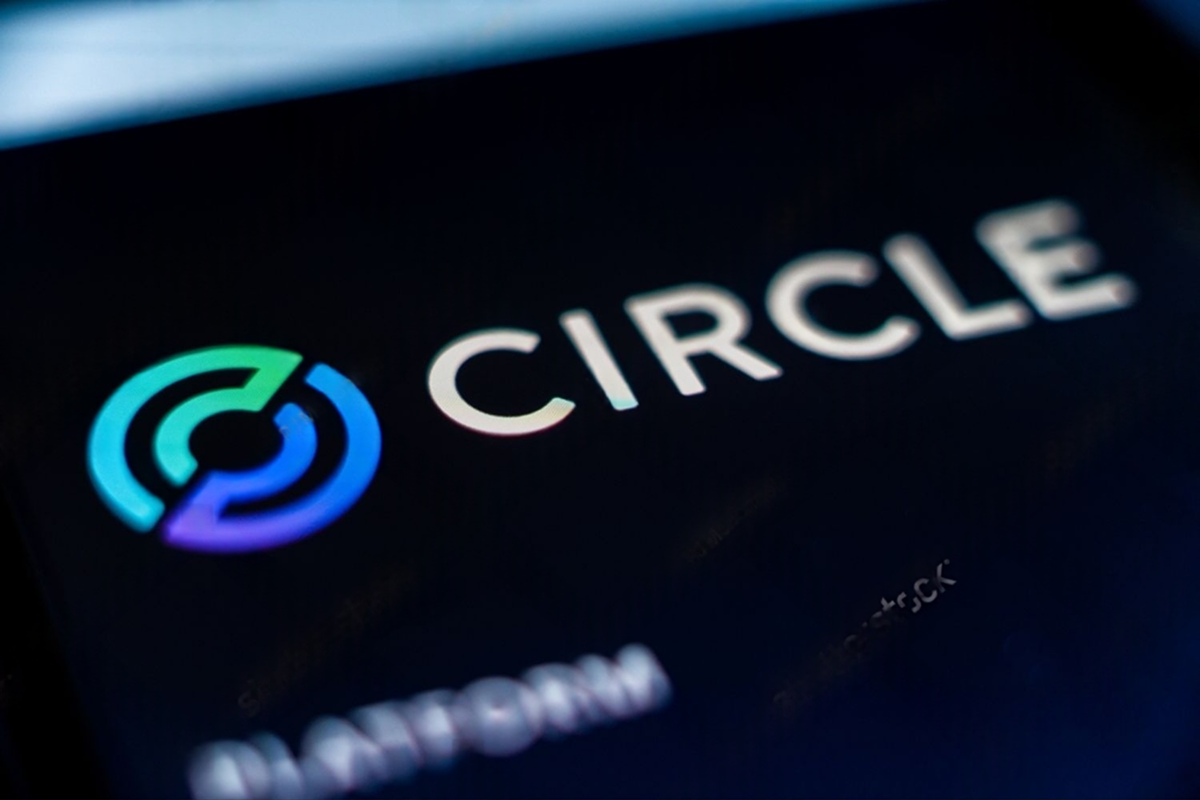
Circle is strengthening its institutional presence in Asia through a partnership with DBS Bank, as traditional financial institutions accelerate the development of blockchain-based payment systems. The agreement will allow eligible institutional clients of Singapore’s largest bank by assets to mint and redeem USDC directly through the bank, with near-instant settlement between U.S. dollars and the stablecoin available around the clock. The development highlights a changing relationship between stablecoin issuers and commercial banks, which increasingly occupy both collaborative and competitive positions in digital finance.
DBS Provides a Direct Banking Channel for USDC
Under the arrangement announced on November 18, eligible institutional customers will be able to acquire newly issued USDC or redeem their holdings through DBS rather than depending entirely on cryptocurrency exchanges and secondary markets. The service is designed to provide continuous access to dollar-denominated digital liquidity, including outside conventional banking hours.
For Circle, the partnership creates an additional institutional distribution channel in Asia. Access through an established bank could make USDC more accessible to corporations that require a regulated banking relationship before incorporating stablecoins into treasury operations, payments or other financial activities.
Joseph Goh, head of Asia-Pacific at advisory firm Areta, told CoinDesk that the arrangement addresses institutions that want a bank involved before holding stablecoins. This distinction is important because institutional adoption depends not only on blockchain transaction capabilities but also on established relationships, operational controls and access to financial services.
Traditional Banks Are Developing Their Own Blockchain Infrastructure
The partnership comes as Asian banks expand their own tokenized payment networks. The Hong Kong Monetary Authority and Swift have been exploring connections between blockchain payment infrastructure, working with HSBC, Standard Chartered and Bank of China (Hong Kong) to examine international transfers using tokenized bank deposits.
Tokenized deposits differ from stablecoins in their underlying financial structure. They represent money held at commercial banks and recorded on a blockchain, whereas USDC is a privately issued stablecoin designed to maintain a value equivalent to the U.S. dollar. The distinction determines how these instruments relate to bank balance sheets, issuance arrangements and payment networks.
DBS is also developing its own deposit-tokenization capabilities. The bank has connected its tokenized deposit network with JPMorgan’s, enabling eligible customers to transfer tokenized U.S. dollars between Singapore and the United States, including during weekends.
This dual approach reflects the strategic position banks occupy. They can provide access to public blockchain-based stablecoins while promoting tokenized deposits that keep commercial bank money within their own financial systems. As Goh explained, offering stablecoins can also help banks retain institutional customers who require access to public blockchain networks rather than sending those customers to cryptocurrency exchanges.
Corporate Demand Is Supporting the Expansion of Tokenized Money
DBS research indicates that institutional interest in digital money is extending beyond cryptocurrency-native businesses. A survey of 422 business and finance leaders across 11 markets found that 88% of large corporations surveyed were already using or piloting tokenized money. More than three in five respondents had adopted stablecoins or planned to do so.
These findings suggest that corporate experimentation with blockchain-based financial instruments is becoming more established. However, adoption or pilot participation does not necessarily indicate large-scale commercial deployment or a permanent shift away from conventional banking arrangements.
The competitive landscape also remains significant. Goh noted that the DBS agreement alone would not change USDC’s position relative to Tether’s USDT, whose strength in Asia is supported by exchange liquidity and payment flows in emerging markets. Institutional banking access is therefore one part of a broader competition involving liquidity, distribution and practical payment utility.
Bank and Stablecoin Competition Will Shape Asian Digital Finance
The Circle-DBS agreement demonstrates that the future of digital payments may not be defined by a simple choice between traditional banks and stablecoin issuers. Instead, financial institutions may provide the banking access and settlement relationships that allow stablecoins to reach corporate customers, while simultaneously developing tokenized deposits as an alternative form of blockchain-based money.
Going forward, the ability to connect these systems across currencies, jurisdictions and financial institutions will be a central consideration. Investors and market participants will be watching whether institutional access translates into sustained USDC usage, how banks expand their tokenized deposit networks and whether interoperability can reduce friction in international payments. The resulting competition could reshape the distribution of digital money across Asia without necessarily displacing the existing banking system.
Comparison, examination, and analysis between investment houses
Leave your details, and an expert from our team will get back to you as soon as possible