Key Points:
- Bitcoin’s $1.6 trillion market capitalization gives it a substantial lead over Ethereum, Solana and Zcash, but concerns about future quantum computing threats could challenge its long-term dominance.
- Quantum-resistant development timelines differ across competing networks: Zcash targets initial protections for some transactions by January 2027, while Ethereum aims for core protections around 2029.
- Bitcoin’s proposed security upgrades remain controversial and require broad developer consensus, creating a potential competitive advantage for alternative networks if quantum risks become more immediate.
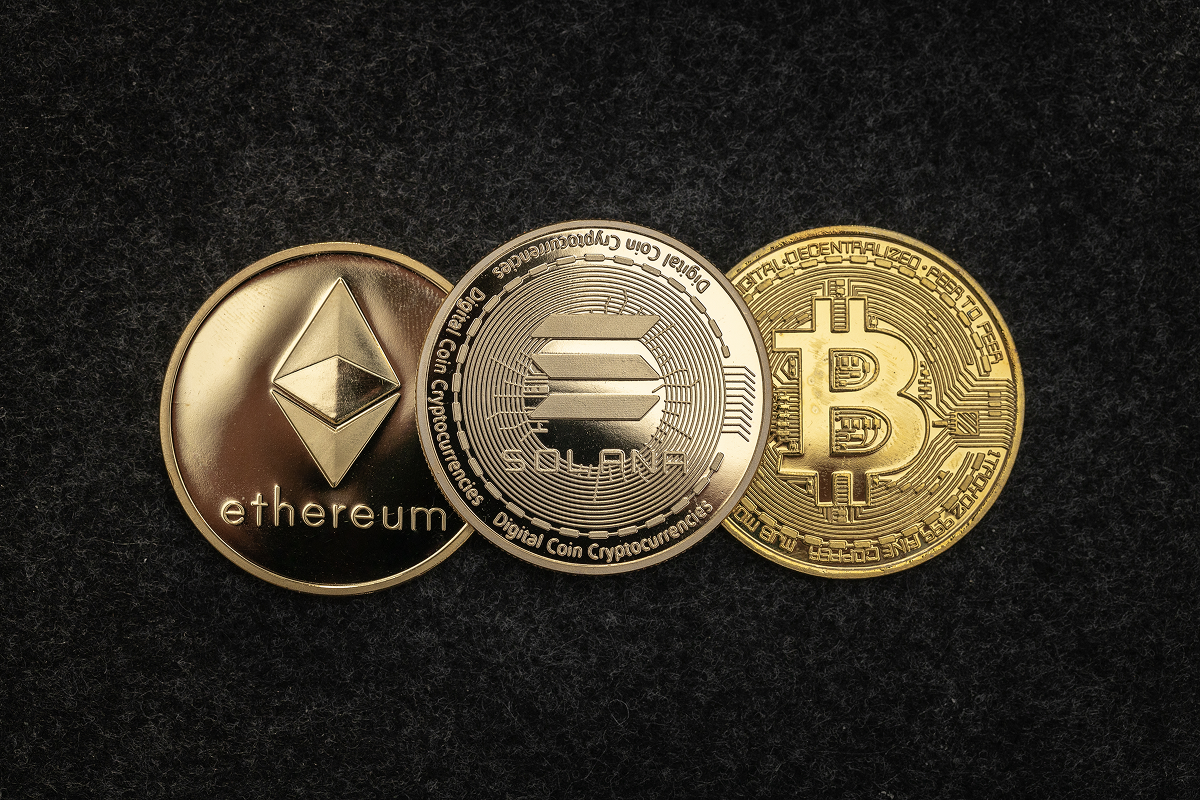
Bitcoin’s position as the world’s largest cryptocurrency could face a new technological challenge over the next five years as quantum computing advances raise questions about the security of existing cryptographic systems. Although Bitcoin maintains a market capitalization of approximately $1.6 trillion, The Motley Fool identifies Ethereum, Solana and Zcash as potential beneficiaries if investors begin shifting toward networks with more clearly defined quantum-resistance strategies. Such a scenario remains speculative, but it introduces an additional dimension to the competitive landscape of digital assets.
Bitcoin’s Market Dominance Faces a Long-Term Security Question
As of November 4, Bitcoin’s market capitalization stood at approximately $1.6 trillion, making it the largest cryptocurrency and one of the world’s most valuable assets. Ethereum, Solana and Zcash each represented less than 20% of Bitcoin’s valuation, according to the report. Closing that gap within five years would require substantial developments affecting both Bitcoin and its competitors.
The principal concern involves the theoretical ability of sufficiently powerful quantum computers to compromise cryptographic systems protecting cryptocurrency holdings. Such a breakthrough could potentially expose vulnerable Bitcoin addresses and enable unauthorized access to funds. However, no quantum computer currently exists that can carry out this type of attack, and the threat remains a future technological risk rather than an established security failure.
The report highlights a March 2026 assessment from Google’s Quantum AI division suggesting that breaking Bitcoin’s cryptographic protection could be substantially easier than previously estimated. It also cites expert estimates that more than 34% of Bitcoin could be vulnerable under certain quantum attack scenarios. If such vulnerabilities were exploited, the consequences could extend beyond individual holders to institutional investors with exposure through spot Bitcoin ETFs.
Bitcoin’s Quantum Upgrade Debate Could Slow Its Response
Bitcoin developers have discussed potential changes designed to protect the network against quantum attacks, but proposed solutions remain in draft form and have generated controversy within the developer community. One proposal, BIP-361, is described by its authors as requiring approximately five years to implement.
The technical challenge is only part of the process. Bitcoin operates through a decentralized development and governance environment, meaning significant protocol changes require broad agreement among developers and network participants. Building that consensus could take considerable time, particularly when proposed changes affect existing wallet security and the treatment of vulnerable holdings.
For institutional investors, the uncertainty creates a longer-term risk consideration. Bitcoin’s established market position and liquidity remain important advantages, but confidence in its security also depends on whether its development community can coordinate an effective response before quantum capabilities become practically dangerous.
Ethereum, Solana and Zcash Advance Different Security Timelines
Bitcoin’s competitors are also working on quantum-resistant protections, although none of their plans is complete. Their development schedules nevertheless provide a potential point of differentiation.
Ethereum is planning to have core quantum protections in place by approximately 2029. Solana developers selected a quantum-resistant signature scheme in April 2026, an important preparatory step, although the report says there are no plans for immediate changes to the network.
Zcash is presented as the most advanced of the three in terms of its stated near-term timeline. Its developers aim to begin protecting some transactions against quantum attacks by January 2027. This does not mean the entire network will be quantum-resistant by that date, but it represents an earlier targeted milestone than those described for Ethereum and Solana.
These differences could become relevant if quantum computing progresses faster than expected. Networks that demonstrate credible security roadmaps may attract greater attention from developers, institutions and investors concerned about long-term cryptographic resilience.
Quantum Readiness Could Influence the Next Crypto Market Cycle
The scenario in which Ethereum, Solana or Zcash surpasses Bitcoin in market capitalization would require more than technical improvements. Quantum computing would need to advance sufficiently to make existing vulnerabilities a credible market concern, while competing networks would need to demonstrate that their protections are effective and deployable.
Even then, a potential shift in investor demand would depend on confidence, liquidity, network adoption and the ability of competing blockchains to sustain their economic activity. Bitcoin’s established institutional infrastructure and market depth would remain significant competitive advantages.
Over the next five years, investors will need to monitor developments in quantum hardware, cryptographic research and blockchain upgrade proposals. The January 2027 Zcash milestone, Ethereum’s targeted 2029 protections and progress on Bitcoin’s BIP-361 proposal will provide important reference points. Quantum computing does not currently threaten Bitcoin’s operational security, but the industry’s ability to prepare for future advances could become an increasingly important factor in determining which blockchain networks maintain investor confidence and market leadership.
Comparison, examination, and analysis between investment houses
Leave your details, and an expert from our team will get back to you as soon as possible