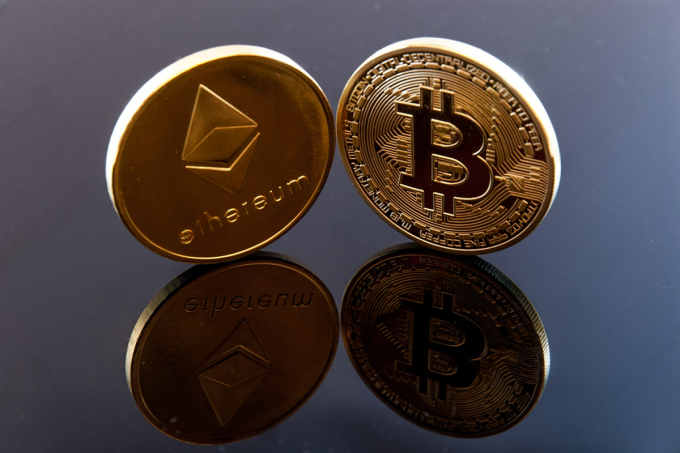
The rise of 24/7 cryptocurrency trading is challenging one of Wall Street’s longest-standing conventions: that markets pause on weekends. As digital assets continue trading without interruption, institutional investors, traders, and risk managers are increasingly adapting their workflows to a financial landscape where market-moving events can occur at any hour, on any day.
The shift reflects the growing integration of cryptocurrencies into mainstream finance. With spot crypto exchange-traded funds (ETFs), expanding institutional participation, and around-the-clock liquidity, digital assets are redefining how professional investors monitor portfolios and manage market risk beyond the traditional Monday-to-Friday trading schedule.
Continuous Markets Eliminate the Weekend Pause
Unlike equities, bonds, and many derivatives markets that close outside regular trading hours, Bitcoin, Ethereum, and other digital assets trade continuously throughout weekends and holidays. This uninterrupted trading environment means geopolitical developments, macroeconomic announcements, blockchain upgrades, or large institutional transactions can immediately affect cryptocurrency prices without waiting for markets to reopen.
For Wall Street professionals, this has fundamentally altered risk management practices. Portfolio managers, trading desks, and institutional investors increasingly monitor crypto positions throughout the weekend to respond to changing market conditions instead of facing potentially significant price gaps when traditional markets reopen.
As cryptocurrency adoption expands, continuous market access is becoming less of a niche characteristic and more of a defining feature of modern digital finance.
Institutional Infrastructure Evolves for a 24/7 Market
The operational demands of nonstop trading are encouraging financial institutions to invest in infrastructure capable of supporting continuous execution, monitoring, and custody services. Global trading firms increasingly rely on automated risk systems, algorithmic trading strategies, and around-the-clock operational teams to oversee digital asset exposure.
The growth of spot Bitcoin and Ethereum ETFs, institutional custody providers, and regulated cryptocurrency exchanges has further accelerated this transformation. Rather than treating digital assets as isolated investments, many professional investors now integrate crypto into broader multi-asset portfolios that require continuous oversight.
This evolution also creates new operational challenges, including staffing, liquidity management, cybersecurity, and compliance across multiple jurisdictions where trading activity never stops.
Investor Behavior Adapts to an Always-On Financial Ecosystem
The shift toward continuous markets is changing investor psychology as well as trading operations. Traditional investors have historically relied on weekends as periods for portfolio review and strategic planning, free from immediate market movements. Cryptocurrency markets have largely removed that separation, requiring participants to balance constant information flow with disciplined investment decision-making.
Professional investors increasingly emphasize structured risk management rather than attempting to react to every market fluctuation. Automated alerts, predefined portfolio allocation strategies, and quantitative trading models are becoming more important as institutions seek to reduce emotional decision-making in an environment where prices can move at any time.
At the same time, the emergence of always-open markets is influencing expectations beyond crypto. As tokenized assets and blockchain-based settlement continue developing, market participants are beginning to explore whether elements of continuous trading could eventually extend into traditional financial markets.
Looking ahead, the cryptocurrency market’s 24/7 trading model is likely to remain a defining characteristic of the digital asset ecosystem. As institutional participation deepens and tokenized financial markets continue to evolve, firms will increasingly invest in technology, automation, and risk management systems designed for continuous market operation. The transformation extends beyond trading hours, signaling a broader shift in how global capital markets may function in an increasingly digital financial system.
Comparison, examination, and analysis between investment houses
Leave your details, and an expert from our team will get back to you as soon as possible