Key Points:
- Donald Trump Jr. has stepped down as a strategic adviser to Kalshi, following concerns about his simultaneous financial exposure to competing prediction-market platforms.
- His venture capital firm, 1789 Capital, holds significant financial interests in both Kalshi and rival Polymarket, where Trump Jr. continues to serve as an adviser.
- The departure comes amid growing regulatory scrutiny, with multiple U.S. states challenging the legality of prediction-market operations and further legal proceedings potentially reaching the Supreme Court in 2027.
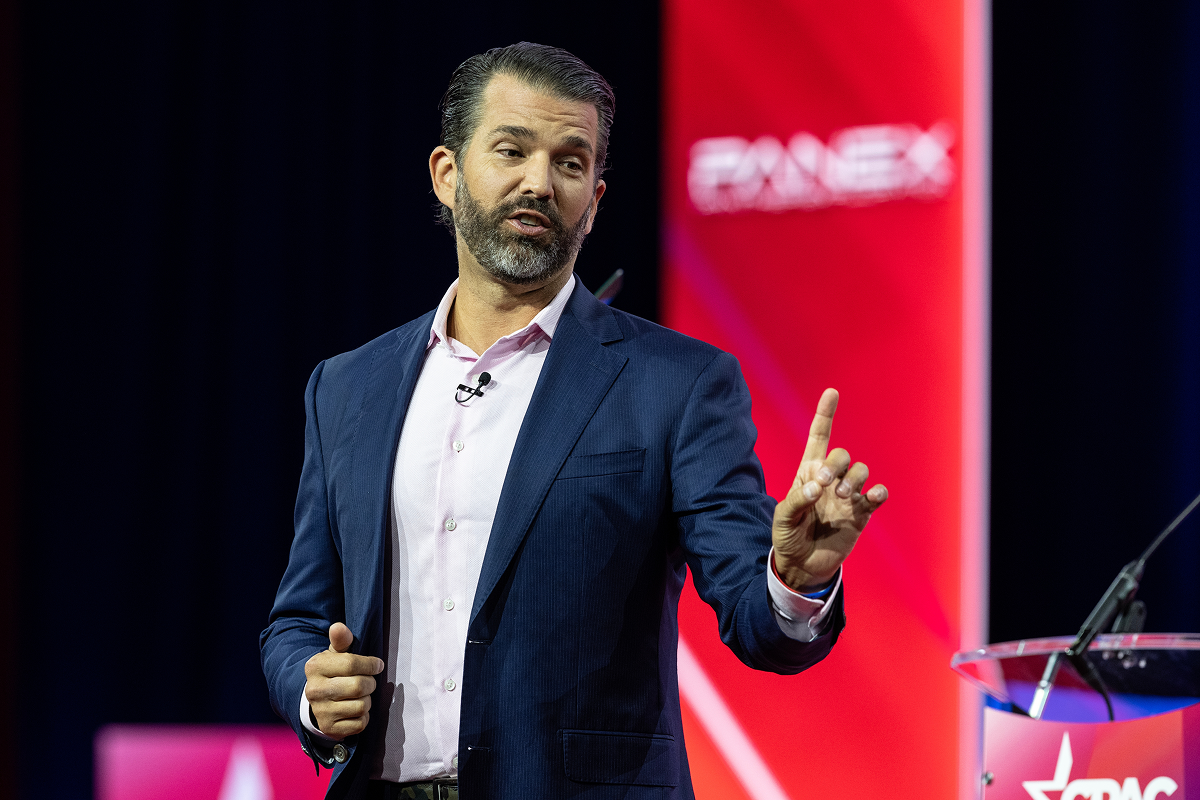
Donald Trump Jr.’s departure from his advisory position at prediction-market platform Kalshi highlights the growing governance and regulatory challenges facing an industry attracting increasing political and financial attention. The eldest son of U.S. President Donald Trump has ended his strategic advisory role while maintaining his connection to rival platform Polymarket. The development follows concerns surrounding potential conflicts of interest and comes as prediction markets face legal challenges across several U.S. states.
Conflict of Interest Drives Kalshi Advisory Departure
Kalshi confirmed that Trump Jr.’s departure process began in August 2026, after his venture capital firm, 1789 Capital, acquired a significant financial stake in Polymarket. The two companies compete in the expanding market for event-based contracts, creating concerns about the appropriateness of maintaining an advisory relationship with both businesses.
According to Kalshi, the decision was mutual, with both parties agreeing that the potential conflict of interest made it unsuitable for Trump Jr. to continue as an adviser while his investment firm maintained a substantial position in a direct competitor.
Trump Jr. first joined Kalshi as a strategic adviser in January 2025. Although he has now left that position, he continues to serve as an adviser to Polymarket. His departure therefore represents a change in his formal relationship with Kalshi rather than a complete withdrawal from the prediction-market industry.
Political Connections Remain Significant for Prediction Markets
Trump Jr. has been viewed as an influential supporter of prediction markets in Washington, where the industry’s expansion has generated both political interest and regulatory debate. His association with the sector has connected two competing platforms to a prominent political network at a time when their operating models are receiving increased scrutiny.
The political environment is also changing following the November 2026 midterm elections. According to the report, Democrats secured control of Congress, creating expectations of stronger scrutiny of prediction-market businesses. However, the extent and timing of any legislative or regulatory response remain uncertain.
For companies operating in this market, political relationships may provide visibility and access, but they do not eliminate legal or compliance obligations. The distinction between commercial influence and regulatory authority will remain important as policymakers examine how these platforms operate.
State-Level Legal Challenges Raise Questions About Market Legitimacy
Kalshi and Polymarket have faced lawsuits from multiple U.S. states alleging that their platforms are operating illegal gambling businesses within those jurisdictions. Both companies reject the characterization that they facilitate gambling, maintaining that their products are prediction markets built around contracts linked to real-world events.
These contracts allow participants to take positions on outcomes involving sports, weather conditions and other measurable events, including whether an airplane arrives on time. The central legal dispute concerns how such products should be classified and which regulatory authorities have jurisdiction over their operations.
The cases are expected to continue through the U.S. legal system, with the broader dispute potentially reaching the Supreme Court in 2027. The outcome could have significant implications for the regulatory treatment and geographic availability of prediction-market products.
Regulatory Uncertainty Becomes a Strategic Risk
Trump Jr.’s departure comes at a sensitive stage for Kalshi and the wider prediction-market industry. The platforms are seeking to expand their customer bases and establish themselves as legitimate financial-market venues, while facing questions about consumer protection, market oversight and the distinction between event contracts and conventional gambling.
For investors and industry participants, the immediate issue is not simply the departure of a prominent adviser but the broader uncertainty surrounding the sector’s operating framework. Future court decisions, congressional scrutiny and regulatory actions will determine how much room these businesses have to expand across the United States.
The next phase will test whether prediction markets can establish a durable regulatory position while maintaining commercial growth. Kalshi’s legal disputes, Polymarket’s competitive expansion and the evolving political environment will be important developments to monitor. Trump Jr.’s continued involvement with Polymarket also means that his influence within the industry has not ended, even as his formal relationship with Kalshi has changed.
Comparison, examination, and analysis between investment houses
Leave your details, and an expert from our team will get back to you as soon as possible