Key Points:
- The FBI has formally attributed the approximately $6 billion Binance hack to North Korea, identifying the state-linked threat actor behind the attack.
- The agency published hundreds of Bitcoin, Ethereum, and Solana addresses associated with the stolen funds and urged the decentralized finance community to block transactions involving them.
- Chainalysis reported that attackers have already used thousands of addresses, indicating that the scale of the tracing and blocking effort could expand further.
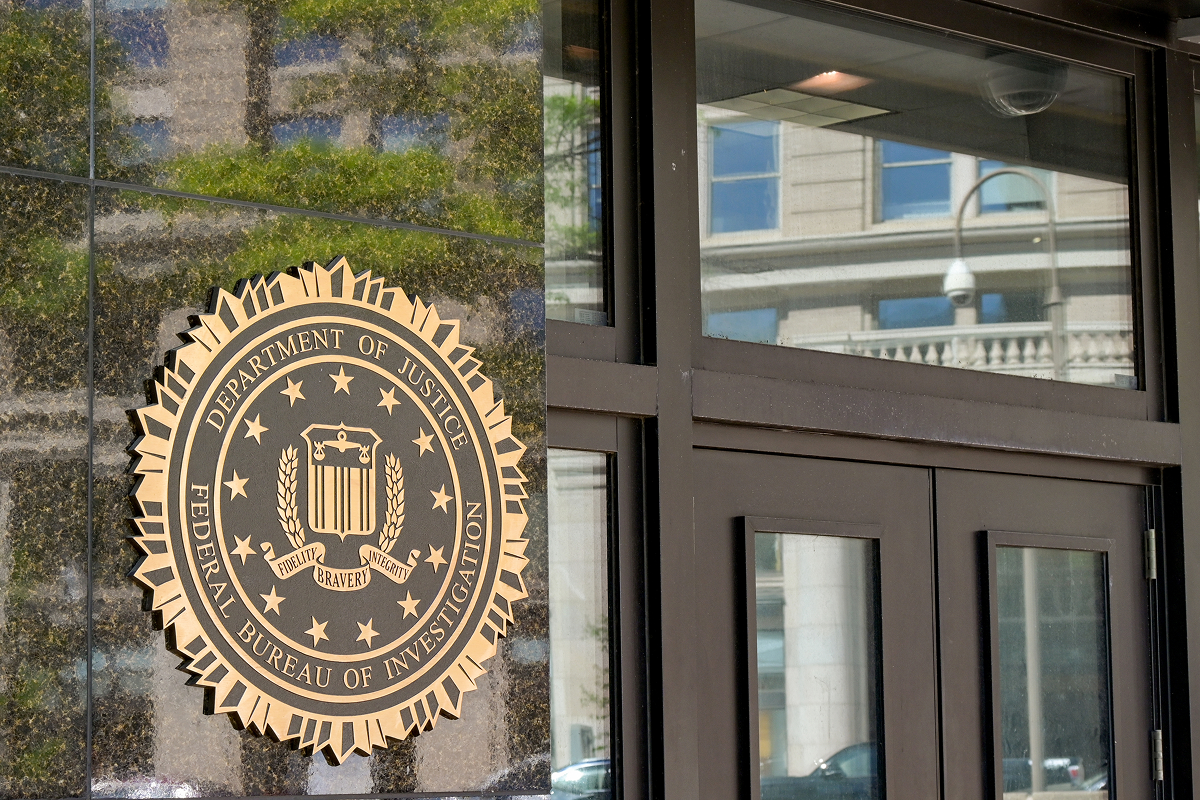
The Federal Bureau of Investigation has confirmed North Korea’s involvement in the approximately $6 billion Binance hack, escalating an already significant security incident into a broader international effort to restrict the movement of stolen cryptocurrency. By asking decentralized finance platforms and other industry participants to block identified wallet addresses, the agency is seeking coordinated action across blockchain networks, highlighting the growing importance of cooperation between law enforcement and digital asset infrastructure providers.
FBI Seeks Industry Cooperation Across Three Networks
In its October 31 notice, the FBI identified hundreds of cryptocurrency addresses linked to the attackers and called on the DeFi community to prevent transactions involving the listed wallets. The addresses span Bitcoin (BTC), Ethereum (ETH), and Solana (SOL), reflecting the cross-chain environment in which stolen digital assets can be transferred and potentially converted.
The request places responsibility not only on centralized exchanges but also on decentralized protocols, infrastructure providers, and other participants capable of identifying or restricting interactions with flagged addresses. Unlike traditional financial systems, public blockchain networks allow transactions to be tracked through distributed ledgers. However, preventing the movement of assets requires cooperation from services and platforms that interact with those networks.
The FBI’s action demonstrates how cryptocurrency investigations increasingly depend on collaboration across multiple organizations. Law enforcement can identify suspicious addresses and distribute intelligence, but the effectiveness of blocking measures depends on how quickly relevant platforms implement appropriate controls.
Thousands of Wallet Addresses Complicate Asset Tracking
The FBI’s published list represents only part of the challenge. Chainalysis said the Binance attackers have already used thousands of addresses and expects the number to continue increasing. This creates a more complicated monitoring environment than a fixed list of wallets might suggest.
Attackers can move funds through multiple addresses and blockchain networks, making it necessary for investigators and compliance teams to continuously update their monitoring systems. Each additional wallet can create new tracing requirements, while transfers between networks may introduce further operational complexity.
For exchanges, custodians, and DeFi protocols, the development reinforces the need for real-time blockchain analytics and effective sanctions-screening procedures. A platform that only monitors the addresses initially identified by authorities may face difficulties responding as investigators uncover additional wallets and transaction patterns.
North Korean Cyber Operations Remain a Major Industry Concern
The FBI’s attribution places the incident within the broader pattern of cryptocurrency-related cyber activity associated with North Korea. Digital asset theft has become an important security concern for the industry because large-scale attacks can affect exchanges, investors, liquidity providers, and the wider confidence surrounding blockchain infrastructure.
For institutional participants, the implications extend beyond the immediate financial losses. A major breach can trigger additional compliance reviews, stronger custody requirements, closer scrutiny of transaction counterparties, and increased pressure on platforms to demonstrate their ability to respond to illicit activity.
The incident also highlights the tension between decentralized infrastructure and regulatory expectations. DeFi protocols are designed to operate without relying on a single central authority, yet they may still face pressure to respond to law enforcement intelligence when identified addresses are connected to significant criminal activity. How individual platforms handle these requests could influence future discussions about decentralization, compliance, and operational accountability.
Security Coordination Will Shape the Next Phase
The immediate priority is to limit the movement and potential conversion of stolen assets. However, the expanding number of associated addresses means that the response will likely require continuous intelligence-sharing rather than a one-time blocking exercise. Platforms must also distinguish between confirmed links to illicit activity and transactions involving unrelated users, making accurate attribution essential.
For the broader crypto market, the FBI’s announcement reinforces the importance of security standards, transparent incident reporting, and coordinated responses to cross-chain threats. The next developments to watch include whether additional addresses are identified, how widely DeFi platforms implement the requested restrictions, and whether investigators report further progress in tracing or freezing the stolen funds. The effectiveness of this response could become an important test of how the digital asset industry handles large-scale, state-linked cybercrime.
Comparison, examination, and analysis between investment houses
Leave your details, and an expert from our team will get back to you as soon as possible