Key Points
-
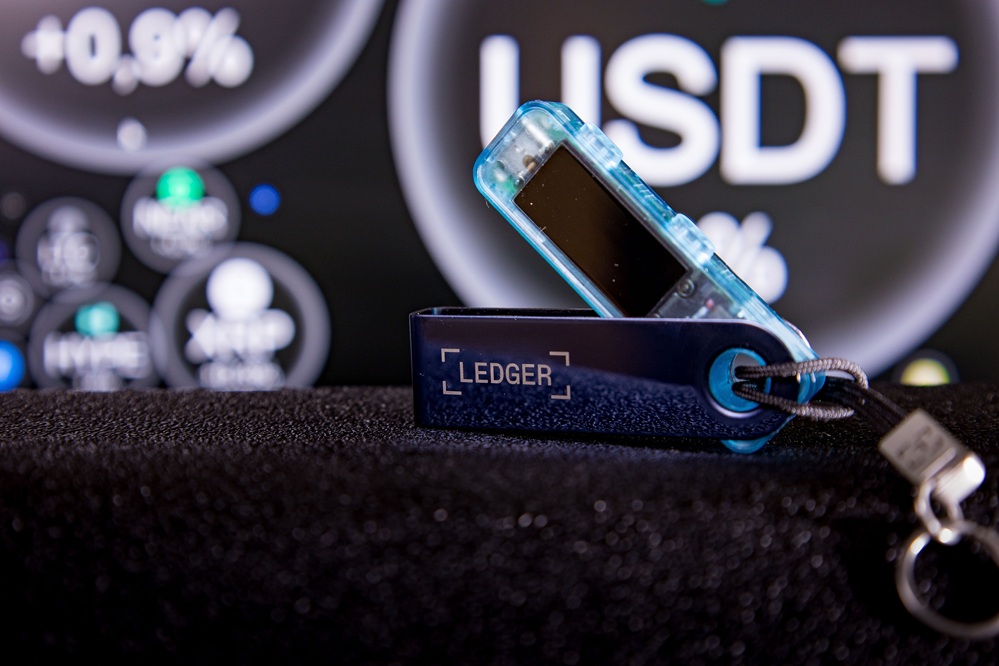
Two Ledger hardware wallet owners reported losing a combined $604,000 in cryptocurrency from devices they said were purchased at authorized Virgin Megastore locations in Dubai.
-
One user reported losing approximately 1,300 SOL after discovering a suspected hardware implant in a Ledger Flex device.
-
A second user reported the theft of 507,000 USDT from a Ledger Stax purchased at Virgin Megastore Dubai in October.
Ledger Wallet Tampering Reports Expand to the UAE
Reports of cryptocurrency theft involving allegedly tampered Ledger hardware wallets have reached the United Arab Emirates, with two users describing losses totaling approximately $604,000.
The incidents have raised concerns that the hardware wallet tampering campaign may have extended beyond retailers in Southeast Asia and Europe. Both affected users said their devices were purchased from Virgin Megastore in Dubai, a retailer listed by Ledger as an authorized seller in the UAE.
One user, posting on X under the name Rewinsky, reported losing approximately 1,300 Solana (SOL) from a Ledger Flex device. The user said they discovered signs of tampering, and an open-source intelligence registry maintained by Mark Karpelès subsequently confirmed the device as containing a hardware implant.
The second report involved a substantially larger stablecoin loss, adding to concerns about the security of hardware wallets distributed through authorized retail channels.
Second User Reports 507,000 USDT Theft
Another Ledger owner, posting as New Babylon Order Worldwide, said Tuesday that approximately 507,000 USDT was stolen from their Ledger Stax on Saturday.
According to the user’s account, the device was purchased new at Virgin Megastore Dubai on Oct. 11. The purchase occurred two days after Ledger publicly disclosed an investigation into cryptocurrency losses involving devices sold through Southeast Asian reseller CryptoBilis.
The timing has drawn attention to whether the reported incidents could be connected to the broader hardware implant investigation.
The two reports involve different Ledger models, with one affecting a Ledger Flex and the other a Ledger Stax. Both users attributed their losses to devices they believed had been compromised before or during distribution.
However, the available reports do not establish whether the two devices were affected by the same operation or how the alleged implants were introduced.
Authorized Retailer Status Raises Distribution Questions
Ledger lists Virgin Megastores among its authorized retailers in the United Arab Emirates. Virgin Megastore operates eight stores in Dubai, including locations at Dubai Mall, Mall of the Emirates and Dubai Hills Mall.
The reports therefore raise questions about the security of hardware wallet distribution channels and the potential risks associated with compromised devices reaching consumers through established retail outlets.
Hardware wallets are designed to provide users with greater control over cryptocurrency assets by keeping private keys isolated from internet-connected devices. However, suspected physical tampering could undermine that protection if malicious components are introduced before a wallet reaches its purchaser.
The incidents also highlight the importance of investigating the supply chain rather than assuming that a device purchased through an authorized retailer is automatically free from compromise.
Hardware Wallet Security Under Greater Scrutiny
The Dubai reports add another geographic dimension to the ongoing investigation into Ledger-related losses. The earlier case involving CryptoBilis had already raised concerns about unauthorized hardware modifications and the possibility of substantial cryptocurrency theft.
The combined reported losses from the two Dubai users amount to approximately $604,000, although the claims have not independently established the full circumstances behind each incident.
Further investigation will be needed to determine whether the affected devices share common characteristics, distribution links or technical vulnerabilities.
The next developments will likely center on the verification of the reported implants, the origin of the compromised hardware and whether additional devices distributed through authorized retailers have been affected. For cryptocurrency holders, the incidents reinforce the importance of hardware authenticity and supply-chain security when selecting custody solutions.
Comparison, examination, and analysis between investment houses
Leave your details, and an expert from our team will get back to you as soon as possible