Key Takeaways
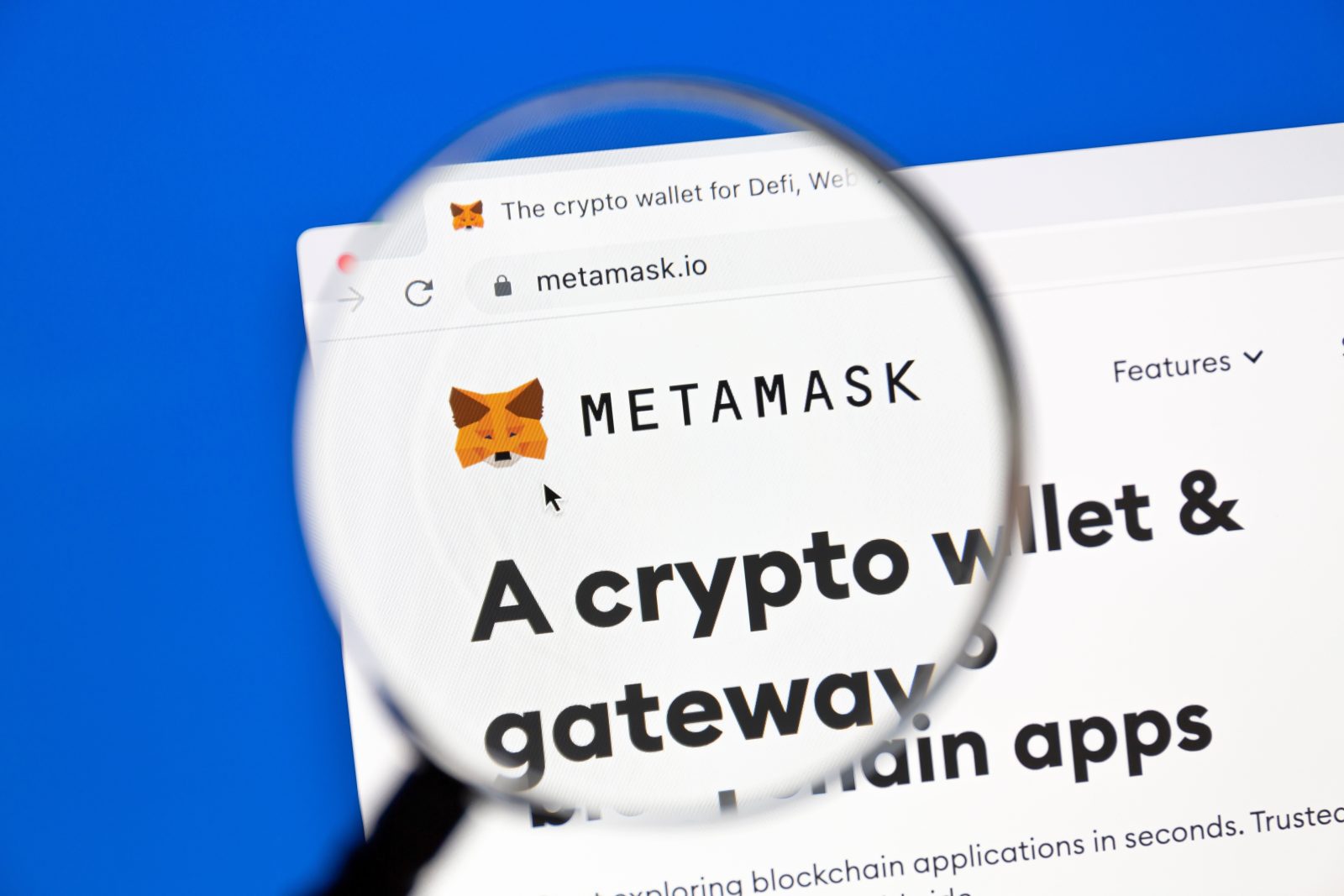
- MetaMask has exited Ethereum validator operations following a security incident, although the company has not publicly disclosed the nature or scope of the event.
- The move highlights the operational risks surrounding institutional and retail staking infrastructure as Ethereum secures more economic activity through proof-of-stake.
- For crypto investors, the incident reinforces the importance of validator security, custody controls and transparent incident reporting as staking becomes increasingly mainstream.
MetaMask has withdrawn from operating Ethereum validators after an undisclosed security incident, introducing a new operational risk question for one of the industry’s largest wallet platforms. The development comes as Ethereum remains a core settlement layer for decentralized finance and tokenized assets, with ETH trading near $2,660 while investors continue to assess security, staking yields and institutional adoption.
Validator Operations Under Scrutiny
MetaMask had expanded beyond its traditional role as a non-custodial wallet by allowing users to participate in Ethereum staking through its infrastructure. Validators are responsible for proposing and attesting to blocks, with Ethereum requiring 32 ETH to operate a conventional validator directly.
The decision to leave validator operations removes MetaMask from one part of the staking infrastructure stack, but it does not eliminate its broader involvement with Ethereum. The company continues to provide wallet and staking-related services, making the incident particularly relevant to users assessing how much operational responsibility is delegated to third-party infrastructure.
Ethereum’s network currently secures hundreds of billions of dollars in economic activity, meaning security failures at infrastructure providers can have consequences extending beyond the individual operator. The immediate market response has been relatively contained, with ETH trading around $2,660 rather than showing a broad disorderly reaction.
Security Transparency Becomes a Strategic Issue
The lack of publicly disclosed details makes it difficult to determine whether the incident involved validator keys, infrastructure access, software vulnerabilities or another operational issue. That uncertainty is significant because staking providers manage systems that can expose users to penalties, downtime and, depending on the architecture, security-related losses.
Ethereum’s proof-of-stake system includes mechanisms designed to penalize validators that behave incorrectly or fail to remain available. The financial impact of an infrastructure incident can therefore extend beyond a conventional cybersecurity breach and potentially affect validator performance and staking economics.
For institutions, this creates an additional layer of due diligence. The distinction between holding ETH and delegating staking operations to an infrastructure provider becomes increasingly important as institutional portfolios incorporate yield-generating digital assets.
Investor Behavior and Staking Infrastructure
The incident arrives as staking continues to become a larger component of the Ethereum investment thesis. With ETH around $2,660 and daily market liquidity measured in billions of dollars, institutional participants are increasingly evaluating staking alongside custody, liquidity and counterparty exposure.
The key issue is not simply the reported incident itself but how infrastructure providers respond afterward. Rapid containment can limit damage, while transparent disclosure can help users distinguish between isolated operational failures and systemic vulnerabilities. Conversely, limited information can leave investors relying on incomplete assumptions when assessing counterparty risk.
Strategic Outlook for Ethereum Staking
MetaMask’s decision to exit validator operations underscores how security considerations can influence the economics of crypto infrastructure even when the underlying blockchain remains operational. The next focus will be whether MetaMask discloses additional information, whether affected users experienced financial losses and how other staking providers adjust their security controls. As Ethereum’s staking ecosystem grows, validator resilience, key management and incident transparency are likely to become increasingly important considerations for professional investors.
Comparison, examination, and analysis between investment houses
Leave your details, and an expert from our team will get back to you as soon as possible