Key Points:
- Brent crude reached $117.42 per barrel on Friday, October 23, its highest level since April, as escalating Middle East tensions raised concerns about energy supply and shipping security.
- Reported Houthi attacks, an oil spill near the United Arab Emirates and concerns about potential U.S. and Israeli strikes against Iran have increased geopolitical uncertainty.
- Higher energy prices could reinforce inflation concerns and pressure equities and cryptocurrencies, although an oil rally alone does not guarantee a market crash.
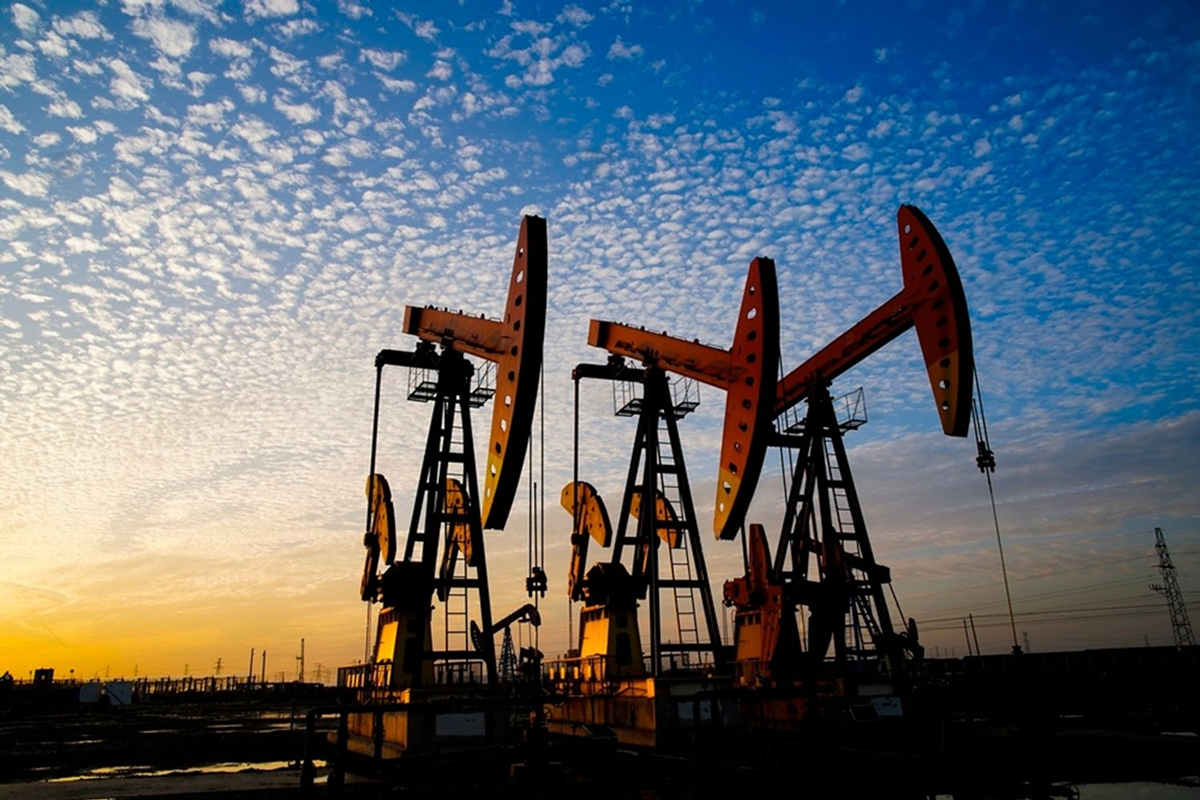
Oil prices are approaching their yearly highs at a difficult moment for financial markets, with Wall Street struggling and Bitcoin facing renewed selling pressure. Brent crude touched $117.42 per barrel on October 23, its highest level since April, as developments in the Middle East heightened concerns about energy supplies and the potential for a wider regional conflict.
For crypto investors, the concern extends beyond oil itself. A sustained energy-price shock could complicate the inflation outlook, influence interest-rate expectations and weaken appetite for volatile assets. However, whether these pressures develop into a broader stock and cryptocurrency sell-off will depend on the duration of the disruption and how markets respond.
Oil Approaches Its Highest Level Since April
Brent crude’s move to $117.42 per barrel reflects growing concern about the security of energy infrastructure and shipping routes. According to the supplied report, the immediate catalyst was renewed attacks by Iran-backed Houthi forces on Saudi Arabia. Saudi Aramco reportedly evacuated its headquarters as fighting intensified, while an oil spill near the United Arab Emirates added to concerns about regional shipping security.
These developments matter because the Middle East remains a critical region for global energy production and transportation. Any disruption affecting production facilities, export terminals or maritime routes could tighten supply and push prices higher. Even without a confirmed, sustained reduction in oil output, the possibility of disruption can increase the risk premium embedded in crude prices.
Iran Tensions Add Another Layer of Uncertainty
The longer-term concern involves Washington and the possibility of renewed military action against Iran. The report says the United States and Israel have reportedly prepared plans for potential strikes following the November 3 midterm elections, with energy infrastructure among the possible targets.
However, military planning does not establish that an attack will occur. The report also states that the White House said no attack would take place before the vote. The timing and likelihood of any subsequent action remain uncertain, making it important to distinguish reported contingency planning from a confirmed military decision.
For financial markets, uncertainty itself can influence positioning. Traders may reduce exposure to assets perceived as vulnerable to geopolitical shocks while reassessing the potential consequences for energy costs, economic growth and corporate earnings.
Why Higher Oil Prices Matter for Stocks and Crypto
Rising oil prices can increase transportation, manufacturing and operating costs, potentially placing upward pressure on inflation. If energy costs remain elevated, central banks could face a more difficult balance between controlling inflation and supporting economic activity.
That scenario could weigh on equities by raising cost expectations and complicating the outlook for interest rates. Cryptocurrencies such as Bitcoin could also face pressure if investors reduce risk exposure or financial conditions become less supportive. Nevertheless, the relationship is not automatic: crypto prices also respond to liquidity, fund flows, positioning and asset-specific developments.
What Investors Should Watch Next
The critical indicators are whether Brent crude sustains its advance, whether regional hostilities disrupt actual energy flows and whether equity and cryptocurrency selling broadens. A reduction in geopolitical tensions could ease the risk premium, while attacks affecting critical infrastructure or shipping could intensify market concerns.
For now, $117.42 oil is a warning signal rather than proof that a financial-market crash is imminent. The risk to stocks and crypto depends on how long energy prices remain elevated and whether the geopolitical situation escalates. Investors will be watching developments around the November 3 elections, energy-market conditions and Bitcoin’s response to changes in broader risk sentiment.
Comparison, examination, and analysis between investment houses
Leave your details, and an expert from our team will get back to you as soon as possible