Key Points
- Russia’s Finance Ministry said some employees received their salaries in digital rubles for the first time beginning Oct. 1.
- The voluntary payments build on earlier trials in which approximately 16 million digital rubles were used for federal budget spending in 2025.
- The Bank of Russia and Finance Ministry are continuing work to integrate the central bank digital currency into Russia’s broader budget processes.
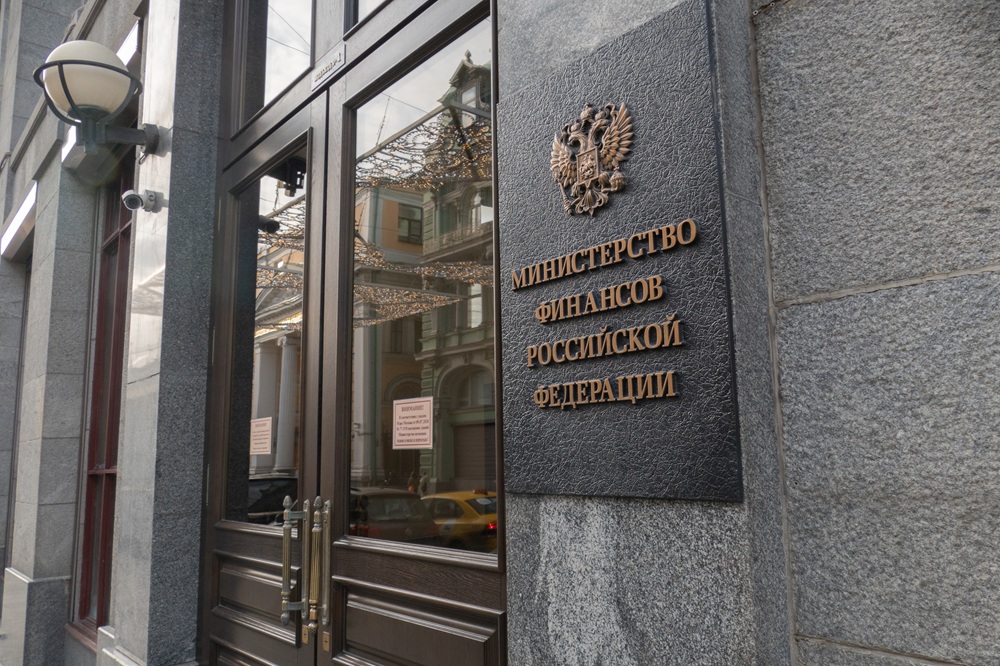
Russia’s Finance Ministry has begun paying some employees in the country’s central bank digital currency, marking a new stage in the rollout of the digital ruble and its potential use in government financial operations.
The ministry said Friday that selected employees received wages in digital rubles for the first time beginning Thursday, Oct. 1. Participation is voluntary for Russian citizens, according to the ministry.
Officials did not disclose how many employees participated in the initial salary payments or the total value of the payroll processed through the digital currency.
Digital Ruble Moves Into Salary Payments
The salary program extends Russia’s existing experiments with the digital ruble beyond government spending and into employee compensation.
During trials involving federal budget expenditures in 2025, approximately 16 million digital rubles, equivalent to about $192,245, were disbursed. The Finance Ministry said those earlier trials provided payment infrastructure that could now be applied to salary procedures.
The ministry said the Bank of Russia and Finance Ministry are jointly working on integrating the digital ruble into the broader budget process.
The development provides a practical test of whether the central bank digital currency can be incorporated into recurring government payment operations rather than being limited to isolated pilot transactions.
Voluntary Adoption Remains a Feature
Employees receiving digital-ruble salaries are participating voluntarily. The ministry has not indicated that digital-ruble payments will replace conventional ruble salary payments across the government workforce.
The digital ruble is designed to operate alongside Russia’s existing fiat currency rather than replace physical cash or conventional electronic ruble payments.
Its development began in 2021, with authorities gradually expanding pilot use cases as banks, businesses and government institutions connect to the system.
Government Spending Provides Testing Ground
The Finance Ministry’s use of the digital ruble reflects the Russian government’s broader strategy of testing the CBDC through public-sector transactions.
The earlier federal budget trials allowed authorities to evaluate digital-ruble infrastructure in government spending before expanding into other use cases. Salary payments provide another recurring transaction category through which the system can be tested.
The cooperation between the Finance Ministry and Bank of Russia also places the CBDC within the country’s broader effort to modernize government payment infrastructure.
Digital Ruble Faces International Restrictions
The rollout is taking place against a backdrop of international restrictions targeting Russia and its financial system.
European Union authorities introduced sanctions related to the digital ruble in April. The European Council said the measures were part of its broader response to Russia’s war against Ukraine.
The restrictions add an external dimension to Russia’s development of its CBDC as authorities seek to expand domestic digital payment infrastructure.
Outlook
The Finance Ministry’s first digital-ruble salary payments represent another step in Russia’s effort to move its central bank digital currency from controlled trials toward practical government use.
The immediate program remains limited, with participation voluntary and the number of employees involved undisclosed. However, continued cooperation between the Finance Ministry and Bank of Russia suggests that government payments will remain an important testing ground as Russia develops the digital ruble and integrates it into its budget infrastructure.
Comparison, examination, and analysis between investment houses
Leave your details, and an expert from our team will get back to you as soon as possible