Key Takeaways
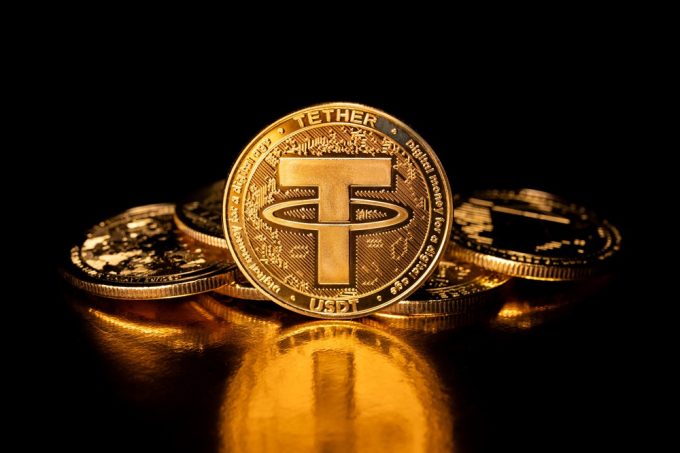
- Tether is backing a Bolivian fintech initiative designed to integrate USDT payments into everyday services, including food delivery and banking.
- The partnership highlights stablecoins’ potential to address payment friction and demand for dollar-linked value in Latin American economies facing currency pressures.
- Long-term adoption will depend on regulatory compliance, reliable conversion into local currency, merchant acceptance and users’ confidence in USDT’s dollar peg.
Tether is supporting a Bolivian fintech platform seeking to bring USDT payments into everyday financial activity, including food delivery and banking services. The initiative reflects a broader shift in stablecoin adoption across Latin America, where digital dollar access and faster payments are increasingly relevant to consumers and businesses navigating currency volatility and limitations in traditional financial infrastructure.
USDT Moves Beyond Crypto Trading
USDT, Tether’s dollar-pegged stablecoin, is widely used in cryptocurrency markets for trading, transfers and holding dollar-linked value without relying on conventional bank transfers for every transaction. Its expansion into consumer-facing services could broaden that role by connecting digital assets with routine purchases and financial services.
For users, the potential benefit is practical rather than speculative: a stablecoin payment can move across supported blockchain networks without the same settlement process as a traditional international bank transfer. However, the final experience depends on transaction fees, confirmation times, wallet usability and whether merchants can convert received USDT into Bolivianos when necessary.
Food delivery offers a useful test of this model because it involves frequent, relatively small payments. Banking integration could expand its reach further, although the specific services available, transaction limits and rollout schedule will determine how much activity moves onto the platform.
Bolivia’s Dollar Demand Creates an Opening
Bolivia’s economic conditions provide important context. The country has maintained an official exchange rate of approximately 6.96 Bolivianos per U.S. dollar for selling dollars and 6.86 for buying them, while periods of dollar scarcity have complicated access to foreign currency through conventional channels.
This gap between official pricing and practical dollar availability has increased interest in alternative ways to hold and transfer dollar-linked value. Stablecoins can provide another route, but they are not equivalent to insured bank deposits or direct claims on cash held in a personal bank account.
The distinction matters for users assessing counterparty exposure, redemption access and the risk of losing funds through fraud, wallet compromise or platform failure. Dollar-linked pricing also does not eliminate local regulatory or operational constraints.
Tether’s Strategy Extends Stablecoins Into Payments
Tether’s involvement illustrates the commercial logic of expanding stablecoins beyond exchange trading. More payment integrations can increase the number of situations in which users need to hold and transfer USDT, potentially strengthening its role in regional financial infrastructure.
The scale of the opportunity is significant: Tether’s USDT supply has exceeded $180 billion in recent market reporting, making it one of the largest stablecoins globally. Yet total token supply is not a measure of consumer payment adoption. The more relevant indicators will be active users, transaction frequency, merchant participation and the proportion of payments retained in stablecoins rather than immediately converted to fiat currency.
Adoption Will Depend on Trust and Execution
The initiative’s next test is whether consumers and merchants use USDT consistently after the initial launch. Transparent fees, dependable local-currency conversion, clear regulatory treatment and accessible customer support will be critical. If those conditions are met, Bolivia could offer a practical example of stablecoins supporting everyday payments; if not, the project may remain a niche service despite broader demand for dollar-linked alternatives.
Comparison, examination, and analysis between investment houses
Leave your details, and an expert from our team will get back to you as soon as possible