


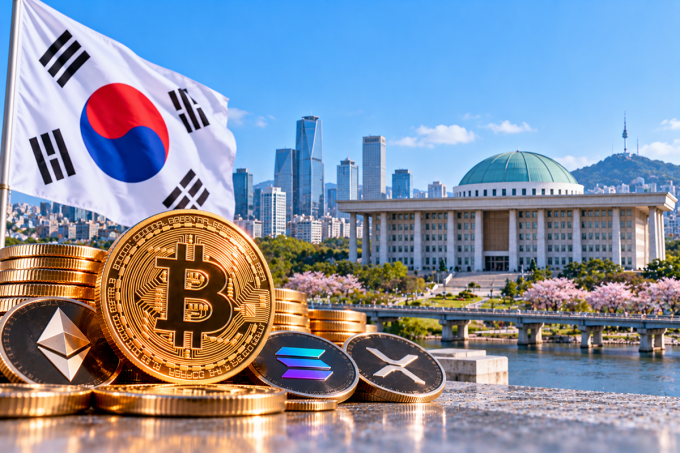
South Korea’s plan to roll out a bank-issued, won-backed stablecoin has drawn sharp criticism from Kaia Foundation Chair Seo Sang-min, who argues that the approach “lacks logic” and risks stifling innovation. The move, part of a broader regulatory strategy to control crypto-related monetary flows, comes as global markets watch how Seoul balances financial oversight with blockchain adoption.
Market Reaction
The debate over South Korea’s stablecoin framework has left digital-asset investors uncertain, with trading volumes in won-linked crypto assets flattening in recent weeks. Analysts note that while the global stablecoin market exceeds $120 billion in capitalization, non-dollar stablecoins represent only a small portion of the total — signaling the challenges new entrants face. The hesitation in Korea reflects broader investor skepticism toward models that limit issuance to banks, which may slow integration between traditional finance and decentralized payment systems.
Regulatory and Strategic Implications
The Bank of Korea has defended its stance, citing potential risks such as de-pegging, redemption runs, and threats to monetary stability. By restricting issuance to banks, regulators aim to maintain stronger oversight and ensure that reserves remain fully backed and auditable. However, critics like Seo Sang-min argue that this structure misaligns with how stablecoins function globally — as fast, blockchain-based payment mechanisms designed for open networks, not confined banking systems.
Industry observers warn that a strictly bank-led framework could deter innovation and push fintech startups out of the domestic market. In contrast, global stablecoin leaders operate on hybrid models, partnering with licensed custodians and maintaining transparent on-chain reserves. Limiting issuance to traditional institutions may, therefore, reduce competitiveness and adoption rates within South Korea’s evolving digital finance ecosystem.
Investor Sentiment and Strategic Perspective
For institutional investors, the outcome of this policy debate carries significant weight. Stablecoins are increasingly viewed as essential infrastructure for liquidity and settlement in digital markets. Restricting their development to banks may create operational bottlenecks and limit participation from blockchain-native firms. Some investors view the current uncertainty as a reason to pause exposure to Korean crypto assets until a clearer regulatory path emerges. Others, however, see potential upside if the country eventually adopts a more balanced approach that blends regulatory rigor with market flexibility.
Outlook: The Path Toward Regulatory Clarity
Looking forward, South Korea’s handling of its stablecoin framework could shape its position as a regional fintech hub. If regulators successfully integrate digital-asset oversight into existing banking laws without suppressing innovation, the model could serve as a blueprint for other Asian markets. However, a rigid system that excludes non-bank issuers risks leaving Korea behind in the global race for digital currency adoption.
For investors, the coming months will be pivotal. Market participants will be watching for updates on issuance timelines, reserve frameworks, and coordination between the Bank of Korea and financial authorities. The balance between control and innovation will determine whether South Korea emerges as a leader in regulated stablecoins—or a cautionary tale of over-regulation in the digital age.
Comparison, examination, and analysis between investment houses
Leave your details, and an expert from our team will get back to you as soon as possible




Leave a comment