Key Points:
- The House committee advanced the American Reserve Modernization Act by a 28-21 vote, with all Republican members supporting and all Democratic members opposing the measure.
- The bill would establish a Strategic Bitcoin Reserve and Digital Asset Stockpile under Treasury oversight, while restricting the disposal of qualifying Bitcoin for 20 years.
- The revised legislation is narrower than the original proposal, removing several Bitcoin acquisition mechanisms and authorizing studies rather than direct government purchases.
House Committee Moves Bitcoin Reserve Proposal Forward Amid Political Divide
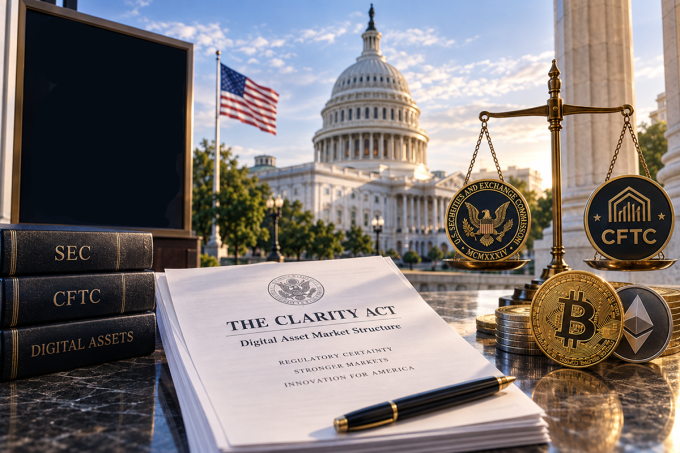
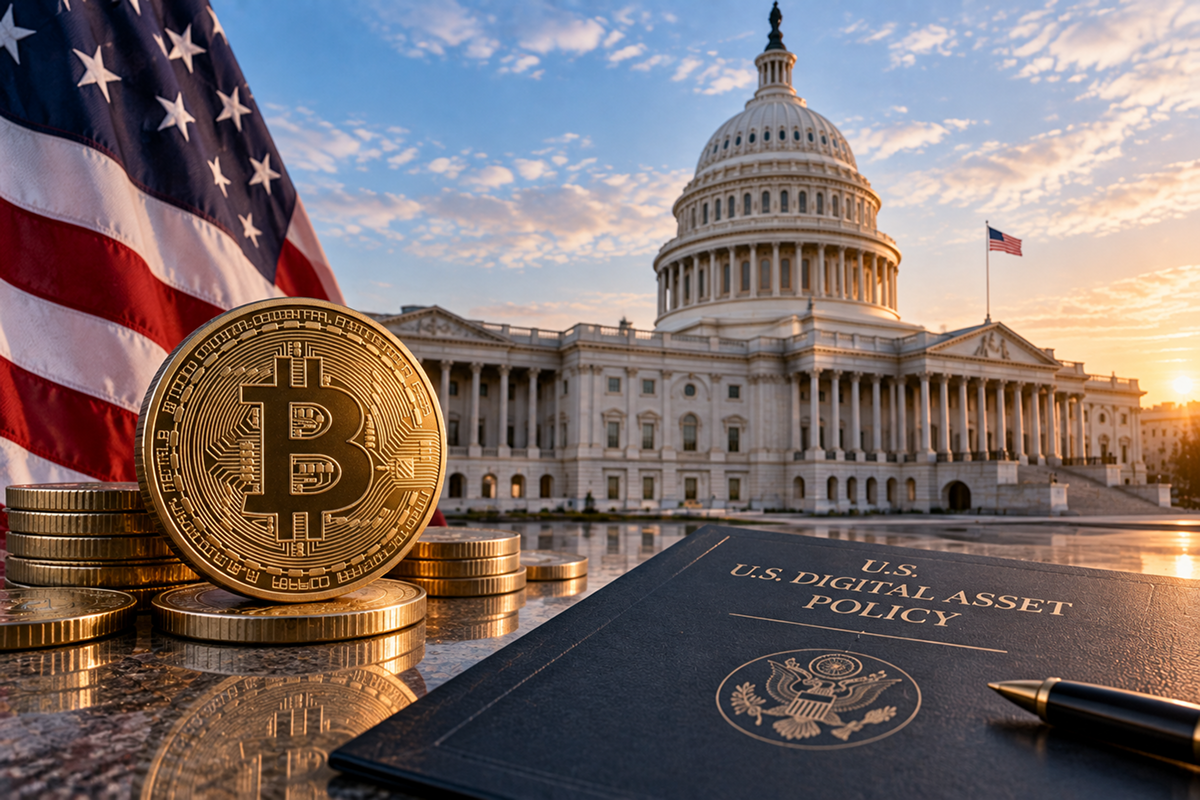
A U.S. House committee has advanced legislation that would place President Donald Trump’s proposed Strategic Bitcoin Reserve into federal law, marking another step in the ongoing debate over the government’s role in digital assets. The American Reserve Modernization Act, H.R. 8957, passed the committee on a 28-21 party-line vote, highlighting the sharp political divide surrounding a potential national Bitcoin strategy.
The measure arrives as governments worldwide continue evaluating digital assets as part of broader financial infrastructure discussions. While supporters argue that formal custody rules could improve transparency around government-held crypto assets, critics remain focused on questions involving fiscal policy, asset management and the appropriate role of government in cryptocurrency markets.
Bill Creates Treasury-Controlled Bitcoin Reserve Framework
Under the legislation, the U.S. Treasury would have 180 days to establish a Strategic Bitcoin Reserve and a separate Digital Asset Stockpile. Federal agencies would also be required to report their digital asset holdings within 60 days, creating a centralized accounting framework for government-controlled crypto assets.
The proposal would prohibit qualifying Bitcoin deposited into the reserve from being sold, exchanged, auctioned, encumbered or otherwise disposed of for 20 years. Supporters describe the framework as a way to bring federal digital asset holdings under consistent oversight, while the restrictions would create a long-term custody structure rather than an active trading program.
However, the bill does not authorize immediate Bitcoin purchases. Instead, Treasury and Commerce would conduct a study within 180 days examining whether additional acquisitions could occur without taxpayer costs. The legislation also specifically prevents borrowing, financing arrangements or using U.S. digital assets as collateral to fund purchases.
Revised Version Removes More Aggressive Acquisition Plans
The version approved by the committee is significantly narrower than the proposal originally introduced in May. A substitute amendment removed several potential funding mechanisms, including studies involving Federal Reserve remittances, gold certificate revaluation, tariff revenue and other possible sources for Bitcoin acquisition.
The revised legislation also reduces certain reporting requirements. Proof-of-reserve reports would move from quarterly to annual publication, and a previous requirement to post reports directly on the Treasury website was removed. Additionally, forked and airdropped digital assets would be required to remain in custody for one year instead of five years under the earlier proposal.
One notable expansion remains: the definition of qualifying Bitcoin now applies to all Bitcoin owned by the federal government rather than only Bitcoin obtained through asset forfeitures. This could broaden the scope of assets included in the reserve structure if the legislation becomes law.
Market Implications and Institutional Considerations
The advancement of the bill does not immediately change Bitcoin market dynamics because it does not create a government buying program. However, the proposal adds another layer to the institutional discussion around Bitcoin’s role within government asset management and national financial policy.
For digital asset investors, the key distinction is between establishing custody infrastructure and creating new demand. A formal reserve framework could influence perceptions of Bitcoin’s relationship with public institutions, but the absence of authorized purchases means the immediate market impact depends more on future legislative developments than on direct government accumulation.
What Crypto Investors Are Watching Next
The next stages of the bill will determine whether the reserve framework advances beyond committee approval and how remaining policy debates are resolved. Investors will be monitoring congressional negotiations, Treasury implementation details and whether future versions introduce changes to acquisition authority, reporting requirements or custody rules. The broader issue remains how the U.S. balances digital asset innovation, financial oversight and government participation in emerging markets.
Comparison, examination, and analysis between investment houses
Leave your details, and an expert from our team will get back to you as soon as possible