Key Points:
- The Bank of Russia confirmed that direct peer-to-peer cryptocurrency trades between individuals will become illegal from July 1, 2027.
- Crypto transactions will be restricted to authorized intermediaries, while new rules will also limit wallet transfers, crypto lending and ruble payments linked to foreign platforms.
- Non-qualified investors will face an annual crypto purchase limit of 300,000 rubles, while qualified investors will remain exempt from the cap.
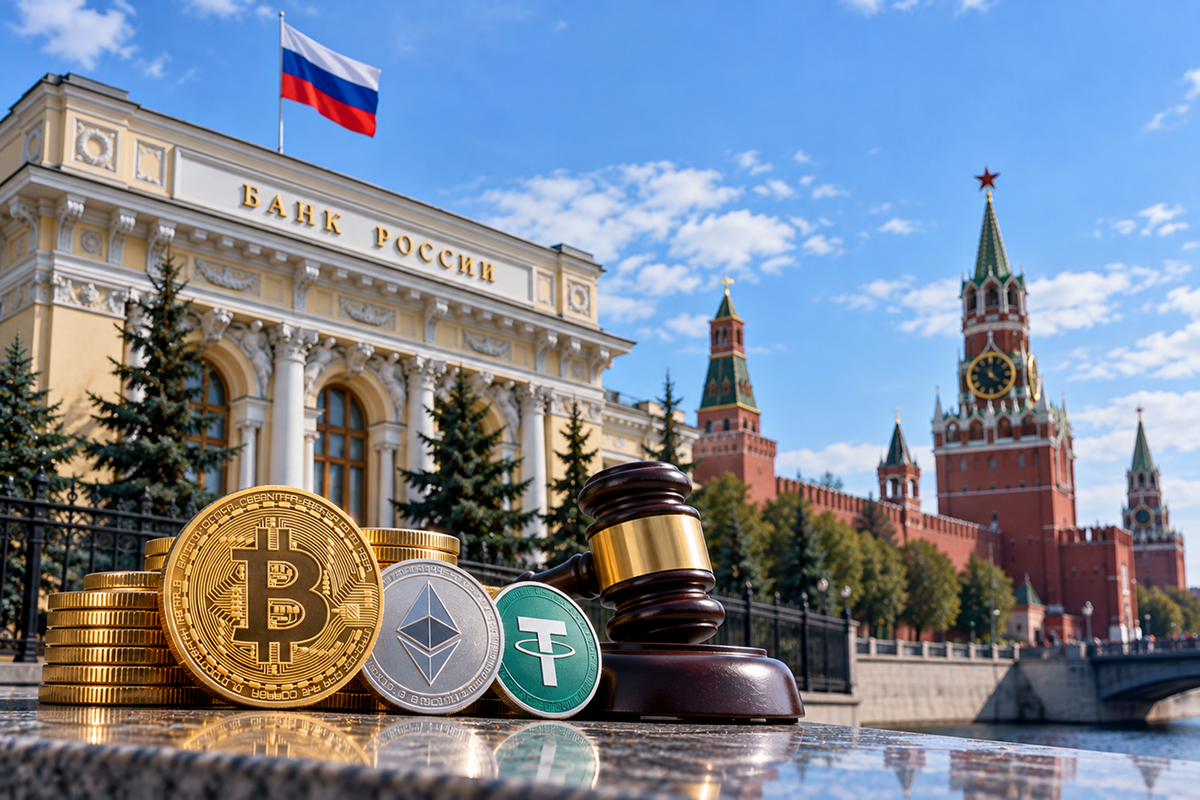
Russia is preparing to significantly tighten access to cryptocurrency markets, with the Bank of Russia confirming that peer-to-peer transactions between individuals will no longer be permitted from July 1, 2027. The restrictions form part of a broader regulatory framework governing digital currencies and are expected to reshape how Russian residents acquire, transfer and lend crypto assets.
New Legislation Channels Crypto Trading Through Authorized Intermediaries
The central bank’s clarification was published on its official website on October 12. The legal basis is Federal Law No. 282-FZ, “On Digital Currencies and Digital Rights,” signed by President Vladimir Putin on August 4 and effective from September 1, according to the source report.
Article 30 outlines the cryptocurrency operations that residents may conduct without a licensed intermediary. From July 2027, direct trades between individuals will no longer fall within the permitted activities. Residents will instead be required to transact through, or directly with, companies authorized to organize the circulation of digital currencies, including brokers licensed by the Bank of Russia and cryptocurrency exchange organizations listed in its registry.
The change represents a shift toward a more centralized and supervised trading structure. Rather than relying on informal arrangements between buyers and sellers, Russian residents will need to use approved market participants to conduct permitted crypto transactions.
Wallet Transfers and Crypto Lending Face Additional Restrictions
The updated guidance also addresses how individuals can move and lend digital assets. According to the report, individuals will not be permitted to transfer cryptocurrency from a digital account to their own non-custodial wallet, where they personally control the private keys. Transfers between individuals through addresses operated by a licensed digital depository will also be prohibited, including transfers intended to settle private trades.
Crypto lending will be restricted as well. Ordinary users will no longer be permitted to act as lenders in cryptocurrency loans; that role will be reserved for brokers, trustees, exchange organizations and clearing houses.
These provisions could affect users who prioritize direct control over their assets or rely on informal crypto transactions. The extent of the practical impact will depend on how the rules are implemented and how authorized intermediaries structure their services.
Stablecoin Access and Banking Rules Could Change
Peer-to-peer transactions have been one way for Russian residents to obtain stablecoins such as USDT, a token pegged to the US dollar. Following Binance’s sale of its Russian business to CommEX in 2023, a common arrangement involved buyers transferring rubles to sellers’ bank cards in exchange for stablecoins. The new restrictions would eliminate that method of trading between individuals.
Andrei Tugarin, managing partner at GMT Legal, told Kommersant FM that from July 1, 2027, Russian banks would have to refuse clients attempting to fund crypto wallets on foreign platforms and would be unable to accept rubles withdrawn from those platforms. These restrictions could further narrow the payment channels available to residents using overseas crypto services.
Investor Eligibility and Purchase Limits Remain Central
The framework also distinguishes between qualified and non-qualified investors. Non-qualified investors must pass a test and will be limited to purchasing up to 300,000 rubles in cryptocurrency annually, equivalent to approximately $3,600 in the source report. Qualified investors will not face the same annual cap.
For non-qualified buyers, the central bank’s approved list includes Bitcoin, Ethereum and USDT. The combination of transaction restrictions, investor testing and purchase limits indicates a regulatory approach focused on controlling access through formal channels.
Looking ahead, market participants will need to monitor further guidance from the Bank of Russia, the registration of authorized intermediaries and the implementation of banking restrictions. The July 2027 deadline gives users and service providers time to prepare, but the transition could alter established trading and payment practices. The key question is whether regulated channels will provide sufficient access and liquidity as informal peer-to-peer activity is phased out.
Comparison, examination, and analysis between investment houses
Leave your details, and an expert from our team will get back to you as soon as possible