Key Points:
- Bitcoin declined to $80,935.07 by 7:25 a.m. ET on October 15, after opening at $81,573.10, reflecting renewed pressure across digital assets.
- Ethereum fell to $2,360.28 after opening at $2,418.43, extending its weaker performance relative to Bitcoin.
- Stronger-than-expected US inflation data and the upcoming Producer Price Index report have heightened uncertainty around interest rates and risk-asset demand.
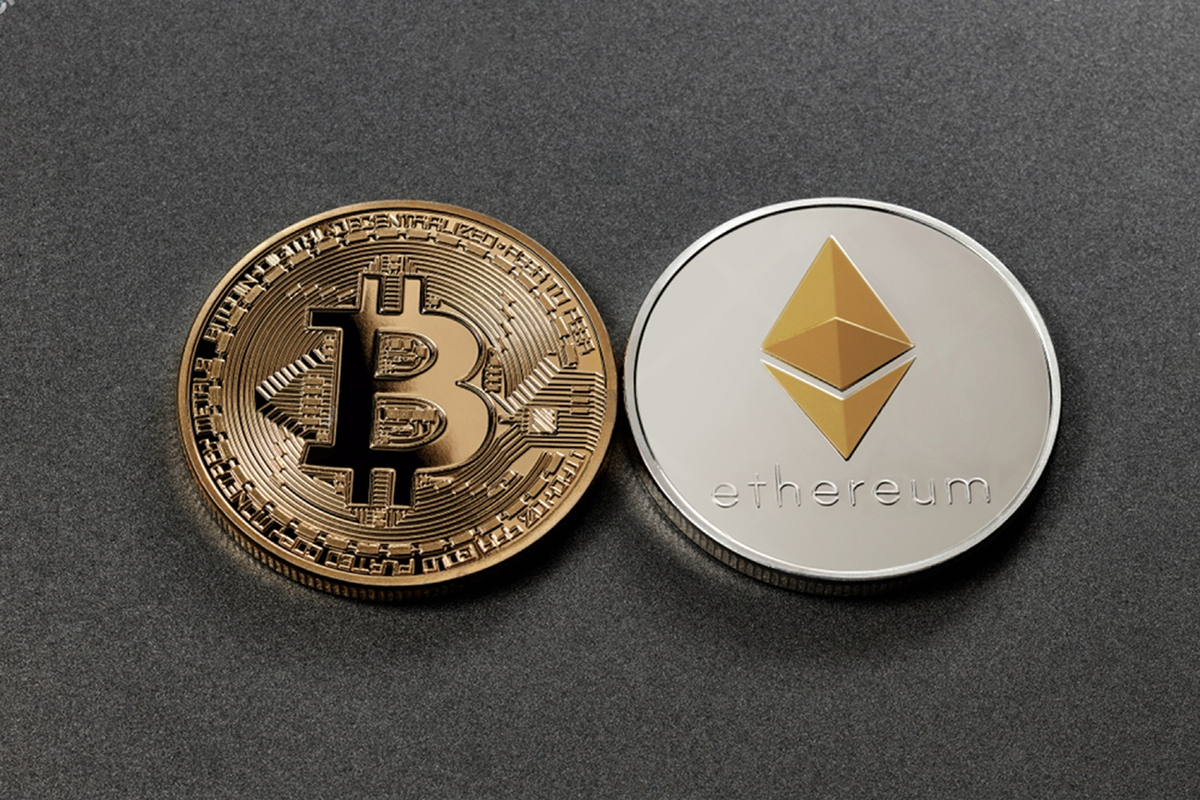
Bitcoin and Ethereum resumed a familiar downward pattern on Thursday, October 15, as cryptocurrency markets reacted to persistent inflation concerns and uncertainty surrounding US monetary policy. Both assets opened lower than the previous day’s opening prices and extended their declines during early trading, reinforcing concerns that macroeconomic pressures continue to limit a sustained recovery in digital assets.
Bitcoin Tests the $81,000 Price Region
Bitcoin opened at $81,573.10, approximately 1.8% below Wednesday’s opening price. By 7:25 a.m. Eastern Time, BTC had declined further to $80,935.07, placing it close to the $80,000 threshold that has become an important reference point during the recent volatility.
The broader performance figures illustrate the challenges facing Bitcoin holders. Its opening price was 2.1% lower than a week earlier and 27.9% below its level a year earlier, although it remained 4.4% higher than one month before. This mixed performance suggests that short-term weakness is unfolding within a market that has experienced some monthly recovery but remains substantially below its year-earlier valuation.
For market participants, the distinction between short-term price movements and longer-term performance is important. A decline toward a widely watched price threshold can influence sentiment, but the level alone does not establish whether selling pressure will continue or whether buyers will return.
Ethereum Underperforms as Selling Pressure Persists
Ethereum experienced a sharper decline during the same session. ETH opened at $2,418.43, down 3.1% from Wednesday’s opening price, before falling to $2,360.28 by 7:25 a.m. ET. The move highlights continued pressure on the second-largest cryptocurrency as investors reassess exposure to digital assets.
Ethereum’s performance across different periods was also weaker. Its opening price was 6% below its level one week earlier, 3.8% lower than one month earlier and 41.4% below the comparable level a year ago. These figures indicate that the asset’s recent weakness extends beyond a single trading session.
The difference between Bitcoin and Ethereum may reflect varying investor appetite across the crypto market, although the available price data alone cannot establish the precise cause. For institutional participants, comparing relative performance can help assess whether selling pressure is concentrated in particular assets or reflects a broader reduction in cryptocurrency exposure.
Inflation and Federal Reserve Expectations Remain Central
The latest declines followed September US consumer inflation data that came in above expectations. Headline consumer prices increased 3.7% year over year, compared with a forecast of 3.6%, while core inflation reached 2.6%, exceeding the anticipated 2.5%. These readings have reinforced concerns that inflation could remain persistent and complicate the Federal Reserve’s policy decisions.
The Producer Price Index report was another immediate market focus on Thursday. Because producer prices provide information about business-level costs, the data could influence expectations for future inflation and interest rates. If inflation remains elevated, financial conditions may stay restrictive for longer, potentially weighing on assets whose valuations are sensitive to liquidity and investor risk appetite.
What Crypto Investors Should Monitor Next
Looking ahead, Bitcoin’s ability to stabilize near $80,000, Ethereum’s relative performance and incoming US inflation indicators will remain important signals for market participants. A recovery in prices would need to be evaluated alongside macroeconomic developments rather than treated as evidence of a durable trend reversal. Conversely, continued weakness could reinforce caution across digital assets. The next phase of trading will depend on whether inflation data eases pressure on monetary policy expectations or sustains the defensive positioning currently visible in cryptocurrency markets.
Comparison, examination, and analysis between investment houses
Leave your details, and an expert from our team will get back to you as soon as possible