Key Points
- Singapore police reported at least two cases involving allegedly tampered Ledger hardware wallets since September 10, with combined losses of approximately S$3.5 million, or US$2.7 million.
- Preliminary investigations found malicious hardware components in Ledger wallets purchased from certain retail stores in Singapore.
- Police are coordinating with Ledger as investigations continue, following similar reports involving devices sold through retailers across Southeast Asia.
Singapore Police Investigate Hardware Wallet Tampering
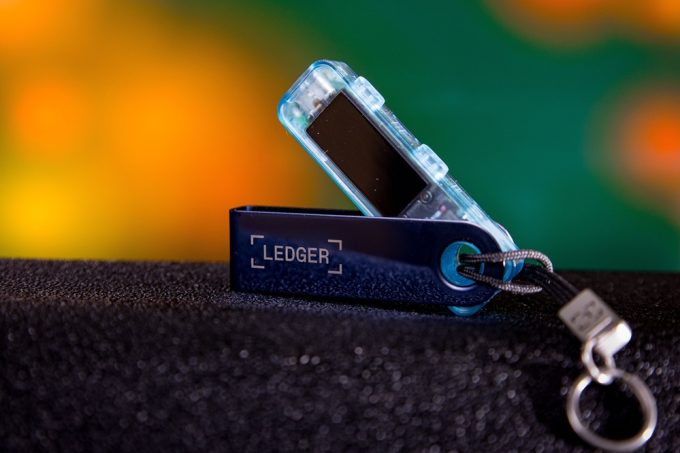
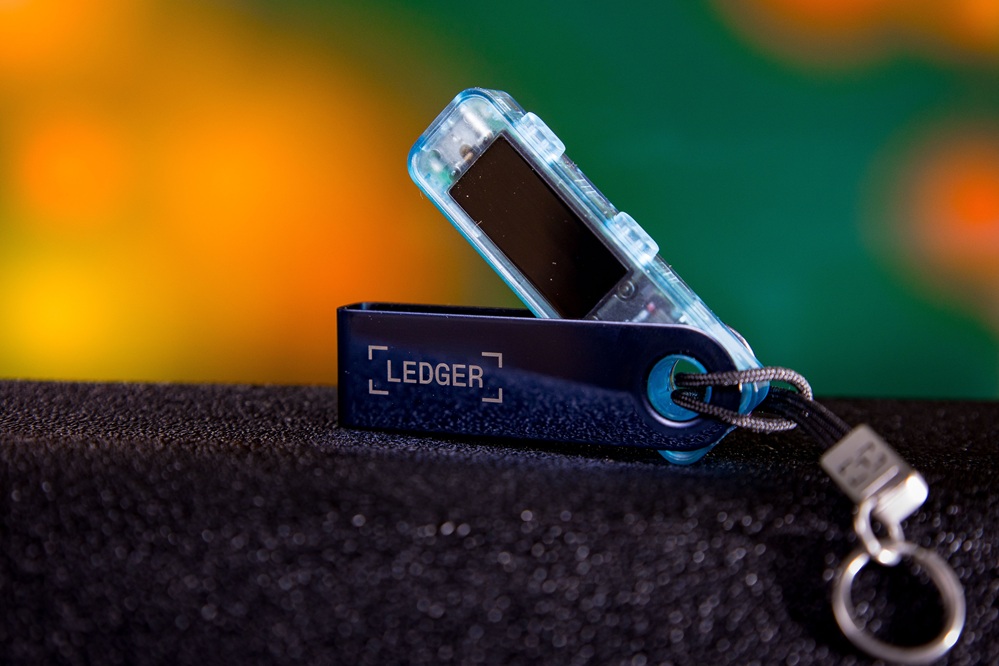
Singapore police are investigating reports of tampered Ledger hardware wallets linked to cryptocurrency losses totaling approximately S$3.5 million, equivalent to about US$2.7 million.
In an advisory published Wednesday, October 28, the Singapore Police Force said at least two cases had been reported since September 10. Preliminary investigations found malicious hardware components in Ledger devices purchased from certain retail stores in Singapore.
The disclosure establishes an earlier reporting timeline than the wider public attention surrounding the incident, which emerged on October 9 following reports of losses involving devices sold through CryptoBilis, an authorized Ledger reseller operating in Indonesia, Malaysia and the Philippines.
The Singapore cases raise concerns about the risks associated with compromised hardware wallets, which are designed to keep cryptocurrency private keys isolated from internet-connected devices. Although hardware wallets are commonly used to protect digital assets, tampering with a device before it reaches the customer can undermine the security assumptions on which users rely.
Police have not publicly established the full scope of the Singapore incidents in the reported advisory. Investigations remain ongoing, and the reported losses relate to at least two cases rather than a confirmed total for all potentially affected users.
Reports Point to Potentially Compromised Devices Across Southeast Asia
The Singapore disclosure follows several reports involving suspected tampering with Ledger devices in the region.
Days after the incident became public, former Mt. Gox CEO Mark Karpelès said a Ledger Flex he purchased at Singapore’s airport contained what he described as a spy implant. Another Ledger user claimed to have purchased a tampered device from Singapore IT retailer Challenger and said Ledger subsequently sent a replacement.
These accounts add to concerns about how compromised devices may have entered retail distribution channels. However, individual reports do not independently establish that every device sold by a particular retailer was affected or that all reported incidents involved the same hardware modification.
On October 13, Ledger said it had asked retailers in Indonesia, Singapore, Thailand, the Philippines, Vietnam, Malaysia and Hong Kong to suspend sales of its devices while investigations continued.
The reported cases highlight a potential supply-chain security problem: consumers may receive a device that appears legitimate but has been altered before purchase. For cryptocurrency holders, the integrity of the physical device is therefore an important part of protecting digital assets.
Why Hardware Wallet Integrity Matters
Hardware wallets are designed to reduce exposure to online threats by keeping private keys within a dedicated device and requiring users to approve transactions. Their security depends not only on software protections but also on the integrity of the hardware and the process through which devices reach customers.
A compromised device could potentially introduce risks that are difficult for ordinary users to detect through appearance alone. This makes trusted distribution channels and verification of device authenticity particularly important.
Users should also be cautious when setting up a replacement or newly purchased wallet. Recovery phrases should never be entered into unfamiliar websites or shared with anyone claiming to provide technical support. A recovery phrase can allow someone to access the associated assets, making its protection essential regardless of the wallet model.
The reported incidents do not establish that all Ledger devices are compromised, nor do they demonstrate that every hardware wallet is vulnerable to the same method of attack. The specific scope and technical details of the tampering remain subject to investigation.
Ledger and Authorities Continue Their Investigations
Singapore police said they are in contact with Ledger, which is reviewing the affected cases. Authorities have not yet announced a final determination regarding the number of compromised devices or the complete circumstances surrounding the reported losses.
The investigation will be important in determining how the malicious components were introduced, whether additional devices were affected and what measures may be needed to prevent similar incidents.
For the wider cryptocurrency industry, the case underscores that digital asset security extends beyond private-key management and cybersecurity software. Manufacturing controls, distribution oversight and device verification can also play a critical role in protecting users.
Outlook
The reported S$3.5 million in losses makes the Singapore cases a significant development in the ongoing investigation into suspected Ledger hardware wallet tampering. Authorities and the company are still assessing the affected devices, so the full scale and technical cause remain unresolved. Until more details emerge, cryptocurrency holders should prioritize device authenticity, protect recovery phrases and avoid assuming that a familiar brand or retail purchase alone guarantees hardware integrity.
Comparison, examination, and analysis between investment houses
Leave your details, and an expert from our team will get back to you as soon as possible