Key Points:
- Interest Rate Reaches 4.85%: The Reserve Bank of Australia increased its benchmark interest rate by 25 basis points to 4.85%, its highest level in 18 years.
- Inflation Outlook Deteriorates: The central bank expects inflation to remain elevated through much of 2027, delaying its forecast for inflation to return to the upper end of its target range until late that year.
- AI and Energy Costs Add Pressure: Rapid growth in technology-related prices associated with AI investment, alongside higher fuel and commodity costs linked to Middle East tensions, contributed to the decision.
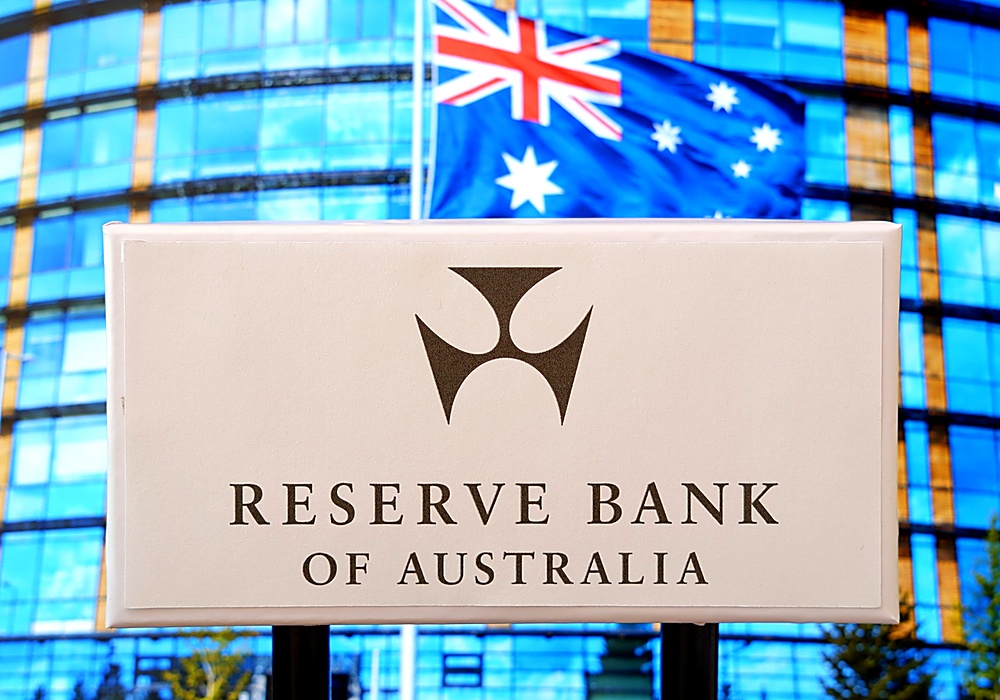
Australia’s central bank has raised interest rates to their highest level in 18 years as persistent inflationary pressures complicate the country’s economic outlook. The Reserve Bank of Australia (RBA) increased its benchmark rate by 25 basis points to 4.85% on Tuesday, citing rising technology costs associated with artificial intelligence investment and higher energy prices.
The decision reflects growing concern that inflation will remain above the central bank’s preferred trajectory for longer than previously anticipated. It also highlights how investment in emerging technologies and geopolitical developments are influencing monetary policy beyond traditional sources of domestic price pressure.
RBA Delivers 25-Basis-Point Rate Increase
The RBA’s monetary policy board approved the increase in a 6–3 vote, with three members favoring an unchanged rate of 4.60%.
The decision takes Australia’s benchmark interest rate to 4.85%, marking its highest level in 18 years. The increase also signals the central bank’s continued focus on containing inflation despite the potential implications of tighter monetary conditions for households and businesses.
The RBA revised its inflation outlook, pushing back its forecast for inflation to return to the upper end of its 2%–3% target range until late 2027. That represents a delay of approximately three quarters compared with its previous projection.
The revised timeline suggests that policymakers expect price pressures to remain persistent, limiting the scope for monetary easing in the near term.
AI Investment Adds to Technology-Related Inflation
A notable element of the RBA’s assessment was the contribution of artificial intelligence investment to rising technology prices.
The central bank identified rapid growth in prices for technology-related goods as one of the factors contributing to inflationary pressure. It linked this development to the expansion of AI-related investment.
The trend reflects the growing economic influence of AI infrastructure spending, which is increasing demand across parts of the technology supply chain.
Although artificial intelligence is frequently associated with productivity improvements and long-term efficiency gains, the investment cycle can also create near-term cost pressures. Rising demand for technology equipment and related resources may contribute to higher prices, complicating central banks’ efforts to manage inflation.
The RBA’s assessment illustrates how the economic consequences of the AI investment boom are becoming increasingly relevant to monetary policy decisions.
Energy Prices and Middle East Tensions Compound Inflation Risks
Higher energy costs provided another important factor behind the central bank’s decision.
The RBA pointed to elevated fuel and commodity prices affected by the conflict in the Middle East. Geopolitical instability can influence energy markets through supply uncertainty and higher commodity costs, potentially feeding into transportation, production and consumer prices.
The combination of technology-related price increases and energy market pressures has complicated the inflation outlook.
These developments also demonstrate the difficulty central banks face when inflation is influenced by several external factors that cannot be addressed directly through interest rate adjustments.
Australia Diverges From the Federal Reserve
The RBA’s decision contrasts with the US Federal Reserve’s approach, as American policymakers opted to leave interest rates unchanged the previous week.
Despite the different policy decisions, officials at both central banks have identified AI investment as a potential source of additional price pressure.
Federal Reserve officials have also highlighted the impact of the AI investment boom on the costs of computer equipment and utilities.
The comparison illustrates how the expansion of artificial intelligence infrastructure is becoming a relevant consideration for monetary authorities across major economies, even as their respective inflation conditions and policy responses differ.
Australian Treasurer Jim Chalmers acknowledged the difficulty facing households and businesses following the rate increase, noting that many Australians were already dealing with significant costs arising from circumstances beyond their control.
Outlook
Australia’s latest rate increase reflects a central bank responding to an inflation outlook that has become more persistent than previously expected. With the RBA projecting a return to its target range only in late 2027, borrowing costs may remain restrictive as policymakers assess the effects of higher technology and energy prices. The interaction between AI-related investment, geopolitical risks and broader inflation dynamics will remain important in determining the direction of monetary policy. For investors, the decision reinforces the importance of monitoring interest rate expectations, commodity markets and the potential effects of sustained capital expenditure in the technology sector.
Comparison, examination, and analysis between investment houses
Leave your details, and an expert from our team will get back to you as soon as possible