Key Points
- The US Senate failed to advance the CLARITY Act in a Sept. 15 procedural vote, leaving the crypto industry’s market-structure legislation stalled while regulators continue developing rules within their existing authority.
- Coinbase faces particular attention because its core trading business is directly affected by questions surrounding digital-asset classification, registration requirements and market structure.
- Elsewhere, Standard Chartered highlighted Arbitrum’s potential role in tokenized finance, Bitmine is using staking to generate revenue from its Ether treasury, and Phemex’s CEO warned that AI is creating new cybersecurity risks for crypto.
CLARITY Act Setback Raises Questions for Coinbase
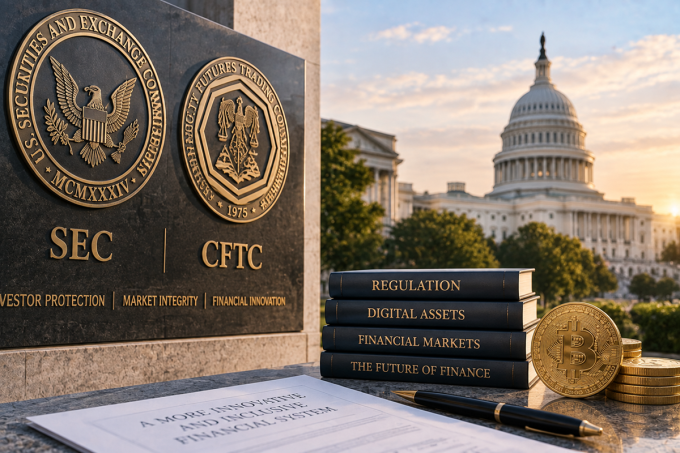
The US crypto industry is reassessing its regulatory path after the Senate failed to advance the CLARITY Act on Sept. 15.
The legislation received 49 votes in favor and 50 against in the procedural vote, falling short of the 60 votes required to proceed. The result stalled a major congressional effort to establish a broader framework for digital-asset market structure.
Coinbase is among the companies with significant exposure to the outcome because its business is centered on operating a cryptocurrency trading platform in the United States.
Saxo Bank strategist Ruben Dalfovo said Coinbase could face comparatively direct implications from unresolved questions around which digital assets can be traded, how platforms must register and which regulators oversee different activities.
The failed vote was followed by declines across several crypto-related equities. The Block reported that Coinbase fell more than 10% on Sept. 15, while Circle, Strategy and Bitmine also recorded substantial declines.
SEC Moves Forward With Tokenized Stocks
The legislative setback has not stopped US regulators from pursuing digital-market initiatives.
On Sept. 17, SEC Chairman Paul Atkins announced an Innovation Exemption designed to facilitate onchain trading of certain tokenized stocks. The SEC said the temporary, conditional relief was issued under existing statutory authority and is intended to support the development of tokenized securities markets.
That development gives financial-market participants another regulatory pathway while Congress continues to debate comprehensive digital-asset legislation.
The SEC has also previously said that legislation remains important for establishing durable rules for crypto markets, even as the agency pursues its own regulatory initiatives.
Standard Chartered Highlights Arbitrum’s Tokenization Potential
Standard Chartered has outlined a bullish long-term thesis for Arbitrum, arguing that the network could benefit as traditional financial institutions increasingly move assets onchain.
The bank’s digital-assets research team has highlighted Arbitrum’s Expansion Program, under which the network receives a share of revenue generated by external chains using its technology.
Robinhood Chain has become an important example in that model. According to Standard Chartered research cited in the source material, its launch significantly increased Arbitrum-related revenue, strengthening the case for additional traditional-finance applications to use the network’s infrastructure.
The broader thesis depends on continued growth in tokenized assets and institutional adoption, meaning the projected economics remain dependent on how quickly those markets develop.
Bitmine Turns Ether Treasury Into Revenue
Bitmine is taking a different approach to generating returns from its digital-asset treasury by staking a large portion of its Ether holdings.
The company added 27,180 ETH during the week referenced in the source material, bringing its holdings to approximately 5.95 million ETH.
More than 5.06 million ETH was reportedly staked, generating an estimated $334 million in annualized revenue at prevailing staking rates.
The strategy differs from Bitcoin treasury companies because Ether can generate native staking rewards while remaining part of the company’s broader digital-asset holdings.
Bitmine’s shares have also gained substantially over the past month, although the stock remained lower year to date according to the figures cited in the source material.
AI Creates New Security Challenges for Crypto
Phemex CEO Federico Variola described artificial intelligence as a “net negative” for crypto, arguing that the technology has provided new capabilities to attackers while increasing cybersecurity costs.
Speaking on Cointelegraph’s Chain Reaction, Variola said AI has empowered malicious actors targeting cryptocurrency protocols and infrastructure.
The concern extends beyond individual exploits. More sophisticated attacks could make self-custody and decentralized finance more difficult for less experienced users, potentially increasing demand for centralized services.
Variola also acknowledged potential benefits from AI agents in areas such as portfolio construction and trading, while arguing that human decision-making would remain important.
The debate is not one-sided. CertiK’s Natalie Newson has described AI as potentially providing significant defensive capabilities as security teams adopt the technology for monitoring and threat detection.
Outlook
The CLARITY Act’s Senate setback leaves US crypto market structure without the comprehensive legislative framework that industry participants had been pursuing, while the SEC is simultaneously moving forward with initiatives covering tokenized securities. For companies such as Coinbase, the unresolved regulatory framework remains particularly relevant because of their direct involvement in US digital-asset trading. At the same time, developments in tokenization, staking and AI-driven security are reshaping the industry’s business models independently of congressional action.
Comparison, examination, and analysis between investment houses
Leave your details, and an expert from our team will get back to you as soon as possible