

Key Points:
- The Commodity Futures Trading Commission (CFTC) has cleared the way for perpetual futures linked to individual stocks to trade on eligible U.S. exchanges for the first time.
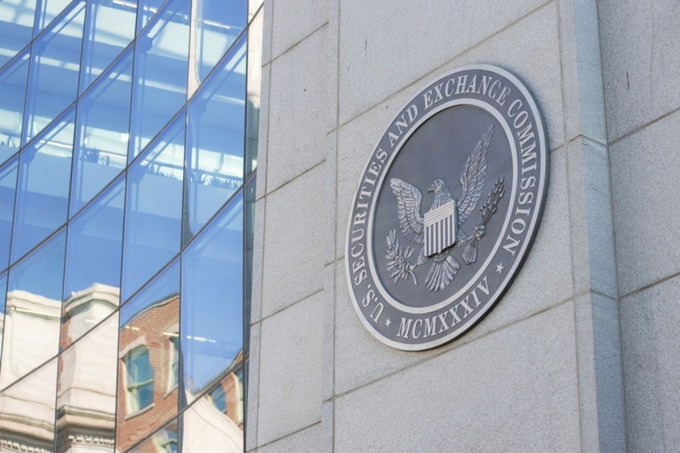
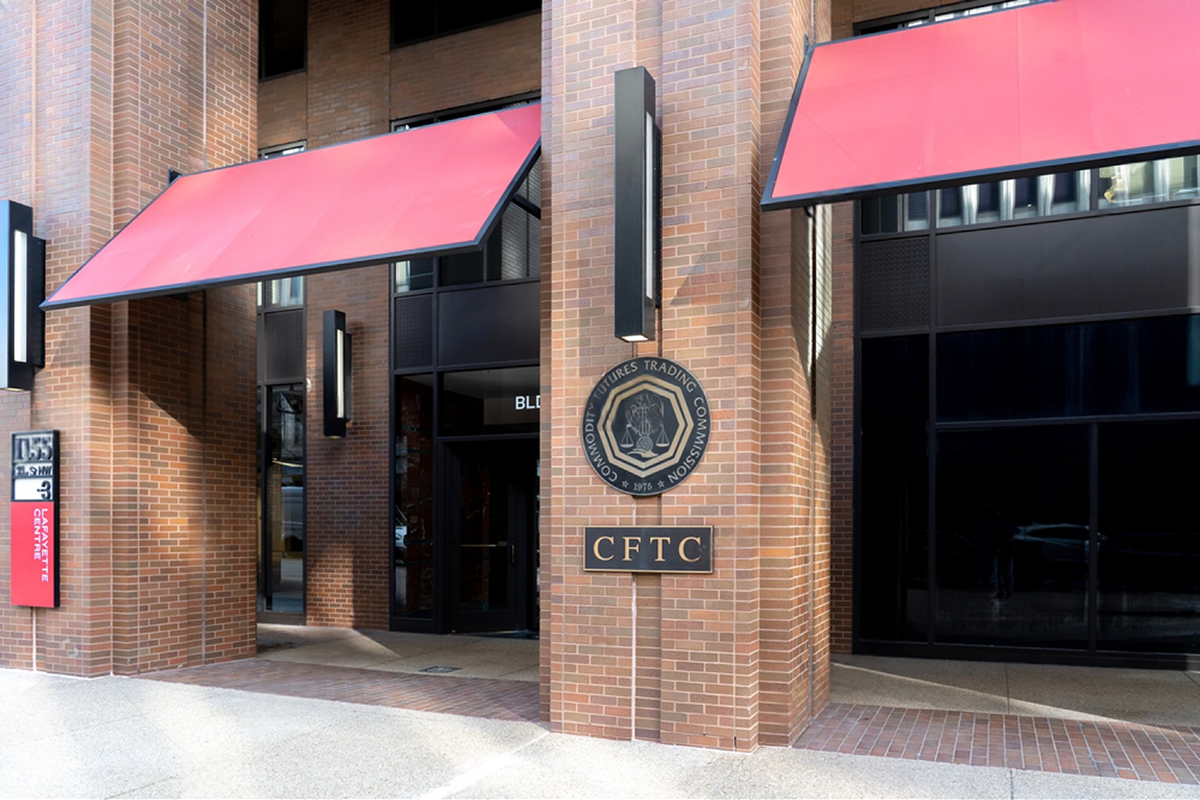
- The contracts, known as equity perpetuals, will operate under a framework involving both the CFTC and the Securities and Exchange Commission (SEC).
- The decision extends a derivatives model popularized in cryptocurrency markets into traditional equities, potentially bringing more trading activity under U.S. regulatory oversight.
The U.S. derivatives market is moving closer to a trading structure that has become central to cryptocurrency exchanges. On November 3, the CFTC announced that perpetual futures tied to individual stocks could begin trading on qualifying U.S. exchanges, creating a regulated domestic pathway for products that have largely developed through offshore crypto platforms. The decision represents a significant step in the convergence of digital-asset market infrastructure and traditional financial instruments.
Equity Perpetuals Enter the U.S. Regulatory Framework
CFTC Chairman Michael Selig said perpetual futures contracts on individual equity securities, referred to as Equity Perps, had been deemed approved under Commission Regulation 40.3. The contracts may trade on designated contract markets registered with the CFTC and also registered with the SEC as national securities exchanges authorized to trade security futures products.
The approval places the instruments under the requirements of both the Commodity Exchange Act and federal securities laws. Selig described the move as an effort to provide U.S. market participants with access to innovative derivatives within an established regulatory framework, rather than requiring them to use offshore venues that may operate with less oversight. The announcement did not identify specific exchanges or individual stock contracts scheduled to launch.
How the Crypto Trading Model Works
Unlike conventional futures contracts, which have predetermined expiration dates, perpetual futures have no fixed maturity. Traders can maintain exposure to an underlying asset without repeatedly rolling positions into new contracts. Periodic funding payments between long and short positions are generally used to keep the perpetual contract price aligned with the underlying market price.
This structure has become particularly prominent in cryptocurrency markets, where trading continues around the clock and perpetual contracts provide a mechanism for leveraged speculation, hedging and price discovery. Platforms such as Hyperliquid have helped popularize onchain perpetual trading, attracting attention from established financial firms. CoinDesk also highlighted Wall Street interest in the sector, including an investment by Intercontinental Exchange (ICE) in TradeXYZ.
Extending the model to individual stocks could broaden the range of assets available through perpetual derivatives. It also introduces familiar concerns associated with leveraged products, including liquidation risk, funding-rate volatility and the possibility that rapid price movements amplify losses.
CFTC and SEC Coordination Shapes Market Access
The decision builds on the Commodity Futures Modernization Act of 2000 and the cooperation framework established between the CFTC and SEC. For years, uncertainty over how products combining features of securities and derivatives should be regulated complicated their introduction in the United States. Selig said improved coordination between the agencies had helped address that regulatory gap.
The development also follows the CFTC’s May 29, 2026 approval of the first true Bitcoin perpetual futures contract on a CFTC-regulated exchange. Extending the framework from digital commodities to traditional securities demonstrates that regulators are increasingly considering how crypto-developed trading structures can operate within existing financial-market rules.
Competition and Risk Move Onshore
For institutional investors and trading firms, regulated equity perpetuals could create additional opportunities for hedging, continuous exposure and derivatives-market participation. However, the regulatory pathway does not eliminate market risk. Leverage, funding payments, liquidity conditions and the quality of exchange safeguards will remain important considerations as these products develop.
The next stage will depend on which eligible exchanges introduce the contracts, how they structure trading and margin requirements, and whether market participants demonstrate meaningful demand. The CFTC’s decision does not guarantee immediate widespread adoption, but it establishes a formal route for bringing a crypto-native derivatives model into U.S. equity markets. Its longer-term significance will depend on whether regulatory oversight can support innovation while maintaining transparency, orderly trading and investor protection.
Comparison, examination, and analysis between investment houses
Leave your details, and an expert from our team will get back to you as soon as possible