Key Takeaways
- The CFTC has updated its guidance to clarify how regulated derivatives firms can use tokenized assets and blockchain-based records under existing rules.
- The guidance covers tokenized customer-fund investments and blockchain recordkeeping, with functional equivalence to traditional assets remaining a key requirement.
- The move comes after the Senate failed to advance the CLARITY Act, increasing the importance of agency-led regulatory action for digital-asset markets.
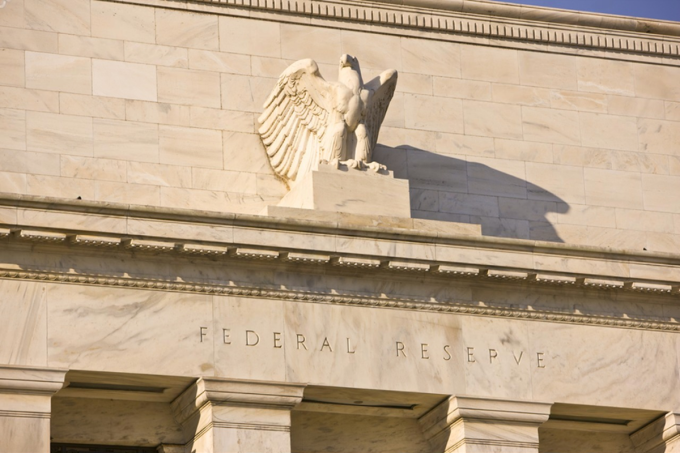
The US Commodity Futures Trading Commission has expanded its guidance on tokenized assets and blockchain technology, providing regulated derivatives firms with additional clarity on how digital representations of traditional assets can fit within existing requirements. The move comes days after the Senate failed to advance the CLARITY Act, shifting attention toward federal regulators as the crypto industry continues to seek a clearer market structure.
Tokenized Assets Gain Regulatory Recognition
The CFTC’s updated FAQs address investments of customer funds in tokenized versions of permitted assets, including US Treasury and agency securities, corporate bonds, money-market-fund shares and equities. The tokenized form must provide holders with legal and economic rights that are the same as, or functionally equivalent to, those associated with the traditional asset.
The update builds on guidance issued in March and earlier tokenized-collateral guidance from December 2025. The framework is significant because it moves tokenization closer to existing derivatives-market infrastructure without creating an entirely separate regulatory regime.
For institutions, that distinction can reduce uncertainty around whether blockchain-based representations of conventional assets can satisfy established custody, segregation, valuation and collateral requirements.
Blockchain Records Enter the Compliance Framework
The CFTC also clarified how regulated entities can use blockchain technology to satisfy recordkeeping obligations. Rather than requiring firms to rely exclusively on traditional centralized databases, the updated approach recognizes that blockchain-based records may support regulatory requirements when appropriate controls are maintained.
The practical implications are substantial for market infrastructure. Distributed ledgers can create tamper-evident transaction histories and allow regulators or auditors to verify activity more efficiently, although firms remain responsible for ensuring records are complete, accessible and legally enforceable.
The guidance does not establish new binding regulations. Instead, it represents the views of CFTC staff and explains how existing requirements may apply to emerging technology.
Agency Action Gains Importance After CLARITY Vote
The timing is particularly relevant following the Senate’s September 15 failure to advance the CLARITY Act. The procedural vote fell short of the required threshold by 11 votes, leaving comprehensive congressional market-structure legislation stalled.
Crypto markets have remained resilient despite the legislative setback. Bitcoin closed September 24 near $84,405 after reaching $87,270 the previous day, while Ethereum traded around $2,688. Bitcoin’s September 21 volume reached approximately 106,000 BTC, compared with roughly 65,000 BTC on September 24, reflecting a moderation in activity after the recent rally.
Strategic Outlook for Tokenized Markets
The CFTC’s latest guidance demonstrates that tokenization can continue advancing under existing regulatory authority even without comprehensive legislation from Congress. For institutional participants, the next focus will be whether regulated firms begin using tokenized collateral, customer assets and blockchain records at meaningful scale. Adoption will depend on legal certainty, custody controls, operational resilience and interoperability, but the direction is increasingly clear: blockchain infrastructure is being incorporated into traditional derivatives markets rather than treated solely as a separate crypto ecosystem.
Comparison, examination, and analysis between investment houses
Leave your details, and an expert from our team will get back to you as soon as possible