Key Points:
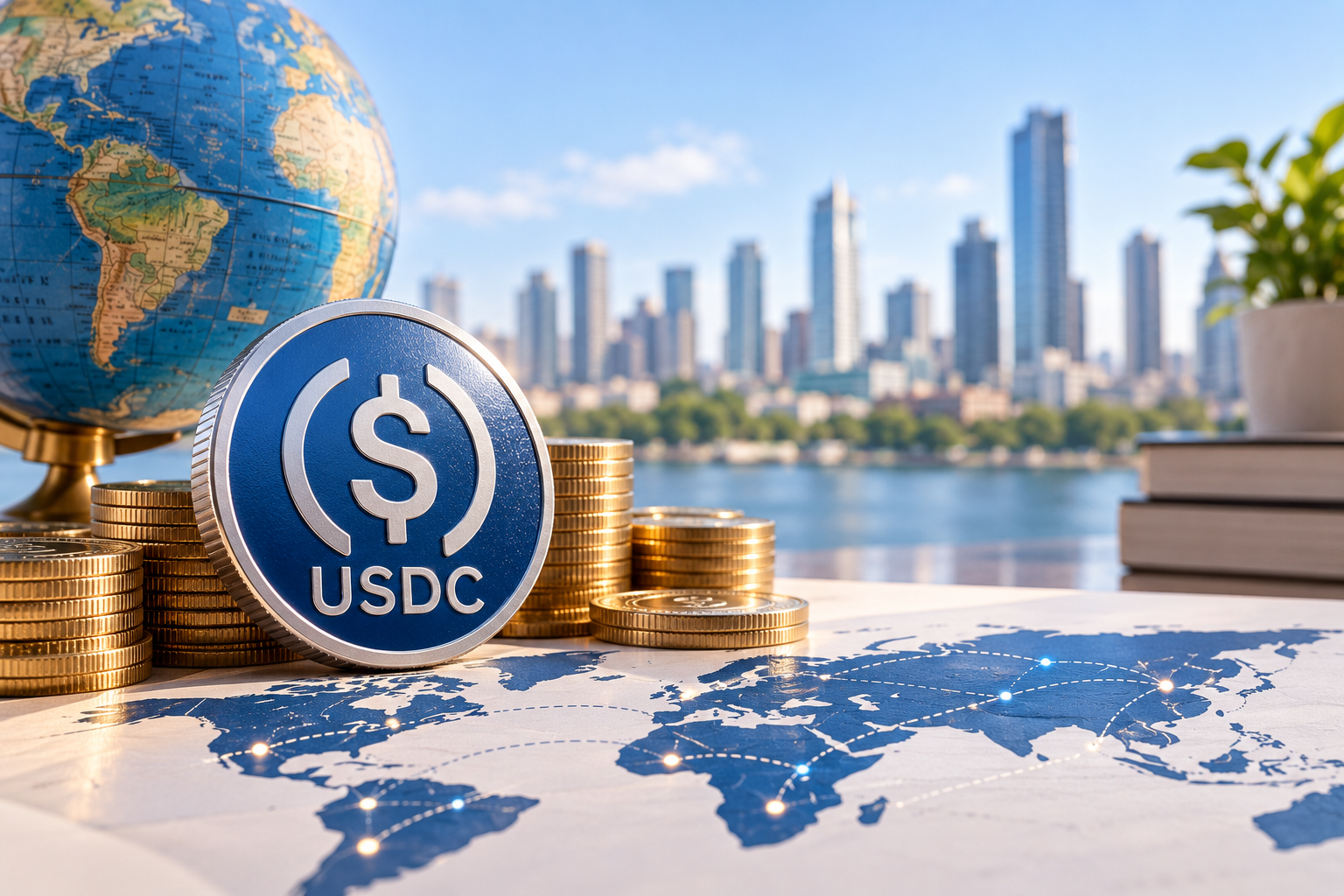
- Circle plans to expand into approximately 40 emerging and developing markets as demand for dollar-linked stablecoins grows across Asia, Africa, Latin America and the Middle East.
- USDC circulation reached $73.3 billion in the second quarter of 2026, increasing 19% year over year, according to the reported figures.
- A $400 million acquisition of Tazapay, a $100 million investment from Binance and expanding institutional use of blockchain settlement infrastructure support Circle’s international growth strategy.
Circle is preparing a significant international expansion as stablecoins move from a specialized cryptocurrency product toward broader use in payments and financial services. CEO and co-founder Jeremy Allaire told Reuters on October 16 that the company is targeting approximately 40 emerging and developing markets, reflecting growing demand for digital dollars among individuals, businesses, banks and payment providers. The strategy highlights the expanding role of regulated stablecoins in cross-border transactions and internet-based financial infrastructure.
Circle Pursues Expansion Across Emerging Markets
Speaking on the sidelines of the International Monetary Fund and World Bank meetings in Bangkok, Allaire described the industry as entering a transition from early blockchain adoption to mainstream scaling. He identified Southeast Asia, Latin America, Africa and the Middle East as regions experiencing growing demand for stablecoins and digital financial services.
For Circle, expanding into approximately 40 markets represents an effort to reach additional users and businesses seeking access to dollar-linked digital payments. Stablecoins can facilitate transfers and settlement through blockchain networks, although their practical usefulness depends on local regulations, payment access, liquidity and the availability of reliable conversion services.
The announcement does not identify every targeted country or provide a complete launch timetable. Consequently, the scale of the opportunity will depend on how quickly Circle establishes partnerships, meets local requirements and makes its services accessible in individual jurisdictions.
USDC Growth Strengthens Circle’s Market Position
Circle issues USDC, a stablecoin designed to maintain a value equivalent to one US dollar. Its circulation reached $73.3 billion in the second quarter of 2026, representing a 19% increase from a year earlier. The reported figures place USDC at approximately 25% of the global stablecoin market, compared with nearly 60% for Tether’s USDT.
These figures indicate that Circle has established a substantial position in the market for dollar-backed digital assets, while also highlighting the scale of its competition with Tether. Wider international distribution could create additional opportunities for USDC in payments, settlement and other financial applications. However, greater circulation alone does not guarantee sustainable profitability, as operating costs, competition, regulation and the economics of reserve management remain relevant to the business.
Circle is also strengthening its international infrastructure through a $400 million acquisition of Tazapay and a $100 million investment from Binance, according to Reuters. These developments form part of the broader expansion effort, although their ultimate commercial contribution will depend on execution and customer adoption.
Institutional Adoption Broadens Stablecoin Utility
Stablecoin adoption is increasingly extending beyond cryptocurrency trading. Financial institutions and payment companies are exploring blockchain-based systems to support cross-border settlement and digital transactions. Circle’s Arc infrastructure is part of this effort, with institutions including BlackRock, Visa and Standard Chartered reported to be using the infrastructure for settlement-related activities.
Stablecoins can offer businesses an alternative mechanism for transferring dollar-denominated value across digital networks. Potential applications include international payments and transactions that operate outside conventional banking hours. Nevertheless, these systems still depend on appropriate compliance procedures, access to banking services and the regulatory framework in each market.
Regulatory clarity is another factor shaping adoption. Circle’s expansion coincides with developments in US stablecoin oversight, including the GENIUS Act framework, as well as the company’s efforts to strengthen its regulated financial infrastructure. Clearer rules may encourage participation from established institutions, but requirements can differ significantly across jurisdictions.
Execution and Regulation Will Determine the Expansion’s Impact
Looking ahead, Circle’s progress will depend on whether it can convert rising interest in digital dollars into sustainable use across its targeted markets. Investors and industry participants will be watching for announcements identifying new countries, partnerships with banks and payment providers, changes in USDC circulation and evidence of recurring transaction demand.
The opportunity is significant, but international expansion also brings operational, regulatory and competitive challenges. Circle’s ambition to enter approximately 40 markets illustrates how stablecoin issuers are positioning themselves within global payments infrastructure. Whether that strategy translates into lasting market-share gains will depend on local adoption, reliable distribution channels and the company’s ability to deliver compliant services at scale.
Comparison, examination, and analysis between investment houses
Leave your details, and an expert from our team will get back to you as soon as possible