Key Points:
- Iran’s central bank has reportedly eased foreign-currency restrictions, allowing exporters to use overseas earnings directly to finance imports.
- Businesses can reportedly use Bitcoin and Tether’s USDt through Iranian crypto exchanges to facilitate cross-border transactions.
- The reported policy shift comes as US authorities intensify sanctions and crypto seizures involving Iranian entities and wallets.
Iran Loosens Currency Controls
Iran has reportedly relaxed foreign-currency controls in an effort to encourage exporters to repatriate overseas earnings and provide businesses with greater flexibility in financing imports.
Under the reported changes, exporters can use foreign-currency proceeds directly to pay for imports without first converting those funds through the government’s official exchange platform.
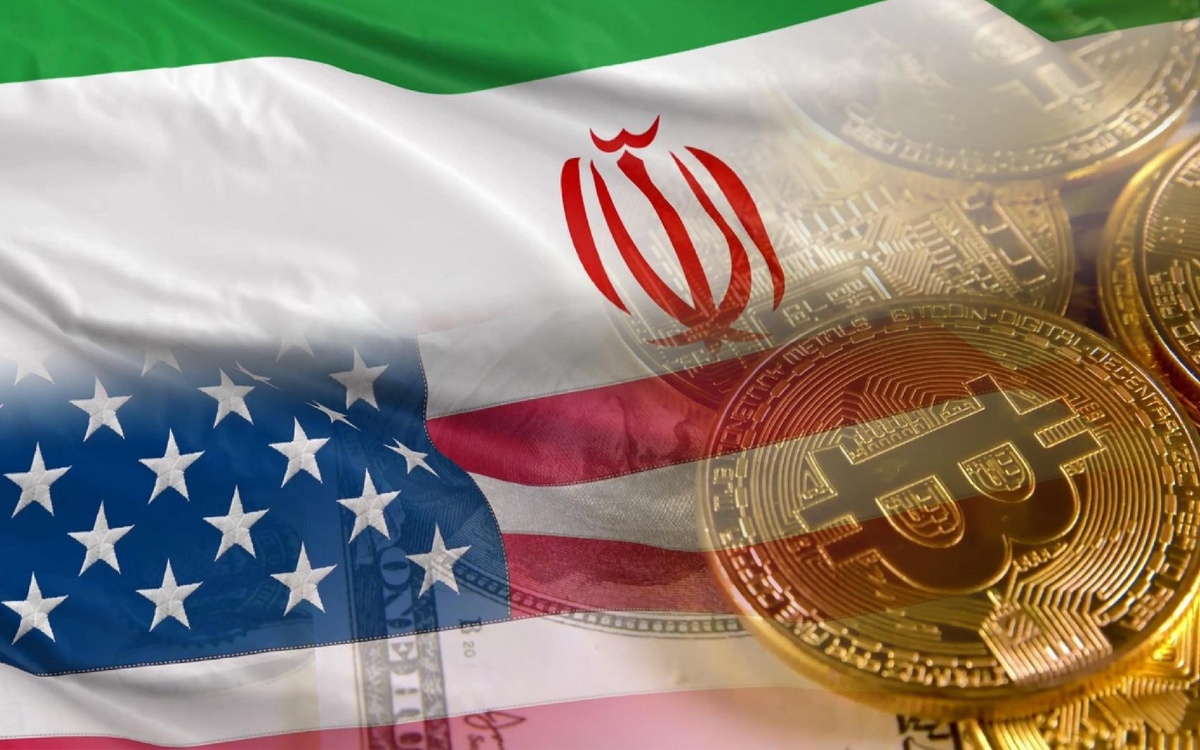
The Financial Times reported that cryptocurrency is also being incorporated into the process, with Iranian businesses able to use Bitcoin and Tether’s USDt to settle cross-border transactions through domestic cryptocurrency exchanges.
The reported shift highlights how digital assets can become an alternative settlement mechanism when conventional international payment channels are constrained by sanctions and restrictions on access to foreign currency.
The Central Bank of Iran had not responded to requests for comment at the time of reporting.
Crypto Becomes Part of Iran’s Sanctions Strategy
The reported policy change comes amid increasing scrutiny of cryptocurrency flows involving Iran.
In June, blockchain analytics firm TRM Labs reported that more than $3.8 billion had moved between crypto exchange CoinEx and entities it identified as sanctioned Iranian counterparties over a period exceeding seven years.
CoinEx disputed the characterization, saying it had no commercial relationship with the Iranian government or domestic Iranian exchanges and had never provided funding channels to sanctioned parties.
The competing claims illustrate the difficulty of distinguishing legitimate commercial crypto activity from transactions potentially designed to circumvent financial restrictions, particularly when funds move through multiple exchanges and wallet addresses.
US Pressure on Iranian Crypto Infrastructure
Washington has simultaneously expanded its efforts to restrict Iran-linked cryptocurrency activity.
In early June, the US Treasury sanctioned four Iranian cryptocurrency exchanges as part of its broader “Economic Fury” campaign.
Treasury Secretary Scott Bessent also said shortly before those sanctions that US authorities had seized approximately $1 billion in Iranian crypto assets.
The pressure continued in July, when Bessent said US authorities had directed a freeze of more than $130 million in cryptocurrency held in wallets linked to Iran’s central bank.
The measures demonstrate the growing importance of digital assets within US sanctions enforcement, particularly as authorities attempt to identify and restrict alternative financial channels.
Stablecoins Add a New Settlement Route
The reported use of USDt is particularly significant because dollar-pegged stablecoins can provide businesses with access to a digital representation of dollar value without relying directly on traditional US banking infrastructure.
For Iranian businesses facing restrictions on conventional correspondent banking and foreign-exchange channels, stablecoins and Bitcoin can potentially offer additional flexibility in cross-border settlement.
However, the same characteristics that make crypto useful for international transfers have also made blockchain transactions an increasingly important target for sanctions enforcement and financial intelligence.
The result is a growing contest between efforts to use digital assets as alternative payment infrastructure and attempts by governments to identify, freeze and restrict sanctioned crypto flows.
Outlook
Iran’s reported easing of currency controls suggests that cryptocurrency is becoming increasingly integrated into the country’s efforts to manage international trade and foreign-currency shortages. The development also highlights the geopolitical significance of stablecoins and Bitcoin as alternative settlement tools. At the same time, intensifying US enforcement means businesses and exchanges involved in Iran-linked transactions face growing scrutiny, creating a complex balance between financial access, sanctions compliance and the expanding role of blockchain-based payments.
Comparison, examination, and analysis between investment houses
Leave your details, and an expert from our team will get back to you as soon as possible