Key Takeaways
- Former SEC Chair Jay Clayton has been appointed to lead the White House Super Intelligence Force, adding a financial-regulatory perspective to U.S. AI policy.
- Veteran trader Peter Brandt has raised his potential Bitcoin cycle peak to a range of $300,000–$600,000 by late 2029, substantially above current prices.
- Bitcoin remains sensitive to macroeconomic conditions, trading near $86,000 after approaching $87,000 as investors assess interest-rate expectations and the sustainability of the latest rally.
The latest crypto policy headlines combine Washington’s expanding focus on artificial intelligence with a renewed bullish Bitcoin forecast, highlighting how regulatory and macro narratives continue to shape digital-asset markets. The developments arrive as Bitcoin trades near $86,000 and remains below its recent peak near $87,400.
Jay Clayton Takes a New Policy Role
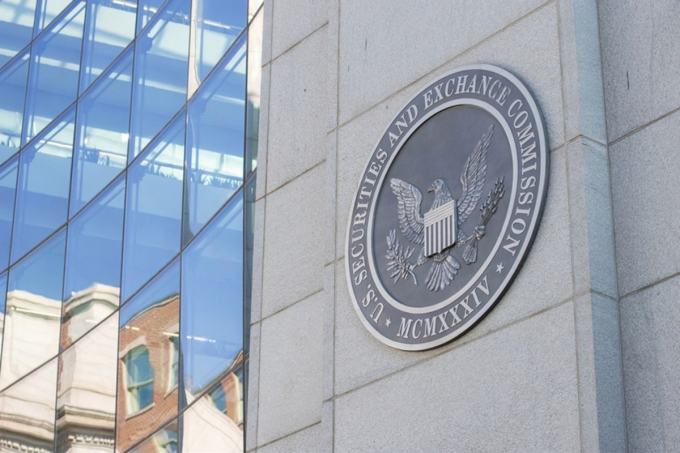
Jay Clayton, who chaired the U.S. Securities and Exchange Commission from 2017 to 2020 and currently serves as director of national intelligence, has been appointed to lead the new Super Intelligence Force. The federal initiative will coordinate work on advanced AI and is expected to produce a report on the technology’s risks, opportunities and appropriate government role within 120 days.
For crypto markets, Clayton’s appointment is notable because his previous SEC tenure covered a period of major debate over digital-asset classification, securities enforcement and market regulation. His new role is primarily focused on AI and national security, rather than crypto, but his regulatory background gives the appointment relevance for investors tracking Washington’s broader approach to emerging technologies.
Bitcoin’s $600,000 Scenario
Bitcoin traded around $86,500 on October 5 after briefly approaching $87,000. The cryptocurrency remains roughly 1.0% below its September high of about $87,400, while daily trading data showed a market capitalization near $1.71 trillion.
Against that backdrop, veteran trader Peter Brandt has outlined a potential Bitcoin peak between $300,000 and $600,000 by late 2029. The upper end would represent almost seven times Bitcoin’s current price, making the forecast a long-term cycle scenario rather than a near-term price target. Brandt has also emphasized that market cycles can deviate from historical patterns, limiting the predictive value of any single model.
Macro Conditions Remain the Immediate Driver
Bitcoin’s latest move has been closely linked to U.S. economic expectations. Softer employment data helped push Treasury yields lower and strengthened expectations for easier monetary policy, supporting risk assets. Bitcoin subsequently climbed about 1.5% toward $87,000 before sellers returned.
This reaction illustrates why institutional investors may place greater weight on liquidity, rates and economic data than on long-range forecasts. Even a highly bullish structural outlook can face substantial volatility when monetary conditions change.
Strategic Outlook for Crypto Investors
The combination of Clayton’s expanded policy role and Brandt’s $600,000 scenario reflects two very different forces shaping crypto markets: regulatory direction and long-term market expectations. Investors will likely focus on whether U.S. policy becomes more predictable across emerging technologies and whether Bitcoin can establish sustained momentum above its recent $87,400 resistance area before assigning greater weight to ambitious cycle forecasts.
Comparison, examination, and analysis between investment houses
Leave your details, and an expert from our team will get back to you as soon as possible