Key Points:
- Bitcoin remained under pressure near $80,000 as traders reduced risk exposure ahead of the Federal Reserve’s October policy meeting.
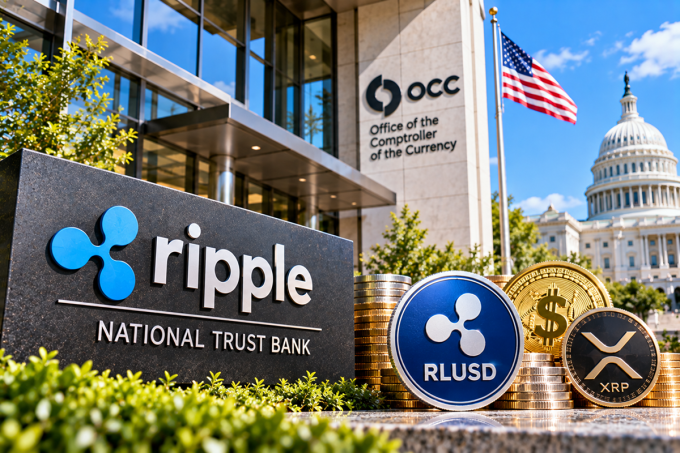
- Ripple received final approval from the U.S. Office of the Comptroller of the Currency to establish Ripple National Trust Bank, but the regulatory milestone did not automatically translate into stronger demand for XRP.
- Markets are focused on interest-rate expectations, technology-sector weakness and whether Bitcoin can reclaim $82,500, a level identified by CoinDesk as important for restoring near-term market confidence.
Bitcoin showed signs of renewed weakness on October 27 as investors balanced deteriorating risk sentiment against a series of regulatory developments across the digital-asset industry. Ripple’s final approval to establish a U.S. national trust bank marked a significant step for its institutional business, yet XRP’s market performance remained tied to broader trading conditions rather than the company’s regulatory progress alone. The divergence highlights how macroeconomic expectations and token-specific demand can outweigh positive corporate news in a cautious crypto market.
Bitcoin Struggles as Traders Reduce Risk
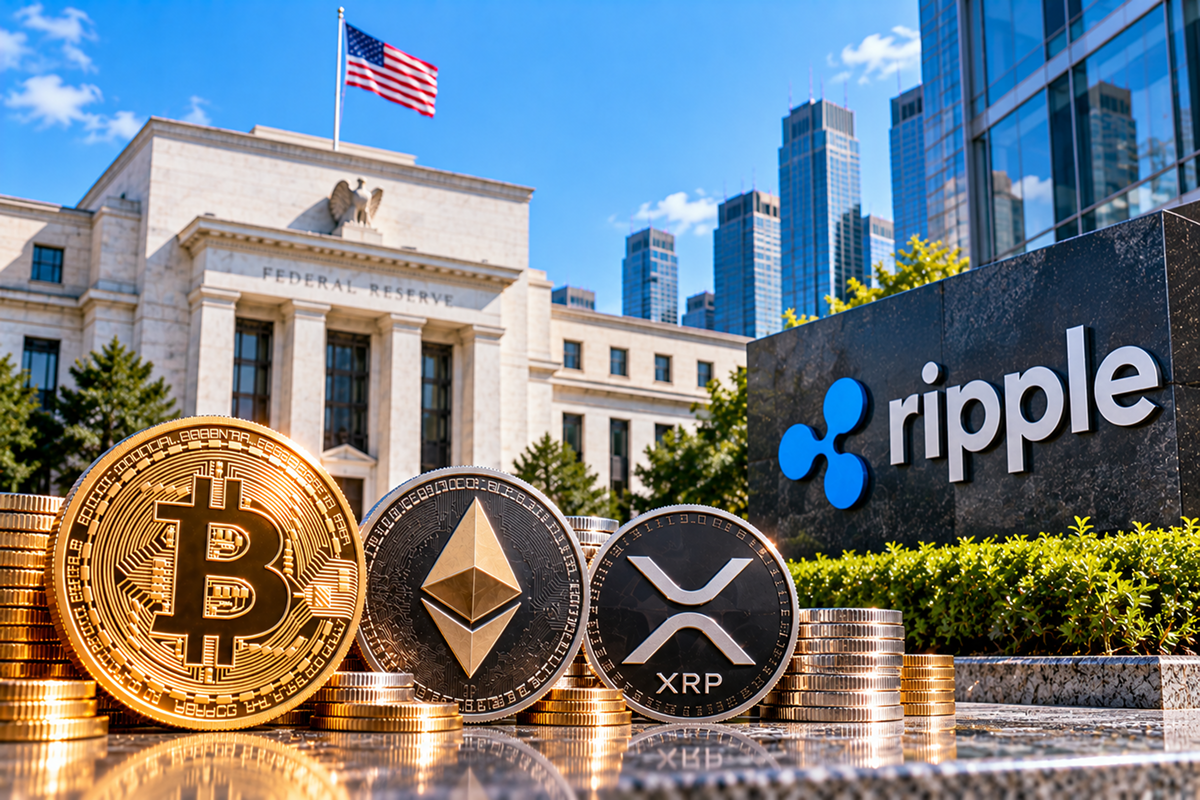
Bitcoin recently slipped below $80,000, falling nearly 2% to approximately $79,800 during Asian trading on October 26, according to CoinDesk market reporting. Ether declined nearly 3% to just above $2,300, while XRP fell around 3% to approximately $1.28. Other major tokens also weakened, indicating that the pressure extended beyond Bitcoin.
The retreat came as investors prepared for the Federal Reserve’s October 27–28 meeting. Although traders were not broadly expecting an immediate rate change, attention centered on whether policymakers would signal a possible increase in December. Higher interest rates can tighten financial conditions, raise the opportunity cost of holding volatile assets and reduce liquidity available for speculative positions.
CoinDesk identified $82,500 as a key level for Bitcoin to reclaim after losing that threshold the previous week. A recovery above it could help stabilize sentiment, while continued trading below the level would leave the market vulnerable to further de-risking. These technical levels are reference points for market participants, not guarantees of future price direction.
Ripple’s Bank Approval Strengthens Its Institutional Position
Ripple CEO Brad Garlinghouse announced that the OCC had granted final approval for Ripple National Trust Bank (RNTB). The decision completes a major regulatory step for Ripple as it expands its presence in federally supervised digital-asset custody and stablecoin infrastructure.
The trust bank is expected to support reserve management and fiduciary services associated with Ripple’s U.S. dollar-pegged stablecoin, RLUSD. However, RLUSD issuance remains with Ripple’s New York-regulated subsidiary. The approval therefore strengthens the company’s regulated operating framework without making every Ripple product a bank service.
For institutional clients, a federally supervised trust structure may provide a clearer framework for custody and reserve-related activities. Still, the commercial impact will depend on service adoption, operational execution and continued compliance with applicable rules. Regulatory approval is an important milestone, but it does not establish how much new business Ripple will attract or how that activity will affect demand for XRP.
Why XRP Did Not Automatically Benefit
XRP and Ripple are closely associated in market perception, but the company’s business development and the token’s demand are not interchangeable. Ripple’s bank approval primarily concerns regulated financial services, while XRP’s price also depends on trading activity, liquidity, market positioning and the wider outlook for crypto assets.
When investors are reducing exposure across the market, positive company-specific developments may have limited immediate influence on token prices. XRP’s reported decline alongside other major cryptocurrencies illustrates this distinction. It does not necessarily indicate that investors dismiss the regulatory development; rather, the immediate market response may be dominated by macroeconomic concerns and positioning.
Looking ahead, traders will monitor the Federal Reserve’s policy statement and commentary, Bitcoin’s ability to regain $82,500, and whether XRP begins to diverge from the broader market. Ripple’s next test will be translating its regulatory approval into measurable institutional activity, while crypto markets must contend with interest-rate uncertainty and changing risk appetite. The coming sessions should help establish whether current weakness is a short-term adjustment or part of a more sustained period of defensive positioning.
Comparison, examination, and analysis between investment houses
Leave your details, and an expert from our team will get back to you as soon as possible