Key Points:
- The SEC has granted a five-year temporary exemption allowing qualifying Tokenized Securities Venues to trade certain tokenized U.S. stocks without registering as traditional exchanges.
- The framework permits permissioned automated market makers and liquidity pools, creating a regulated pathway for onchain securities trading while imposing limits on eligible stocks and transaction volumes.
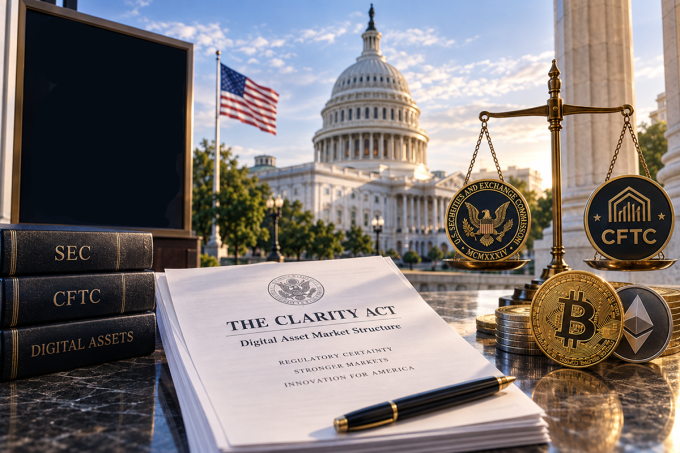
- The move comes days after the CLARITY Act failed to advance in the Senate, making SEC rulemaking an increasingly important near-term driver of U.S. digital-asset market structure.
SEC Creates Regulatory Path for Onchain Securities
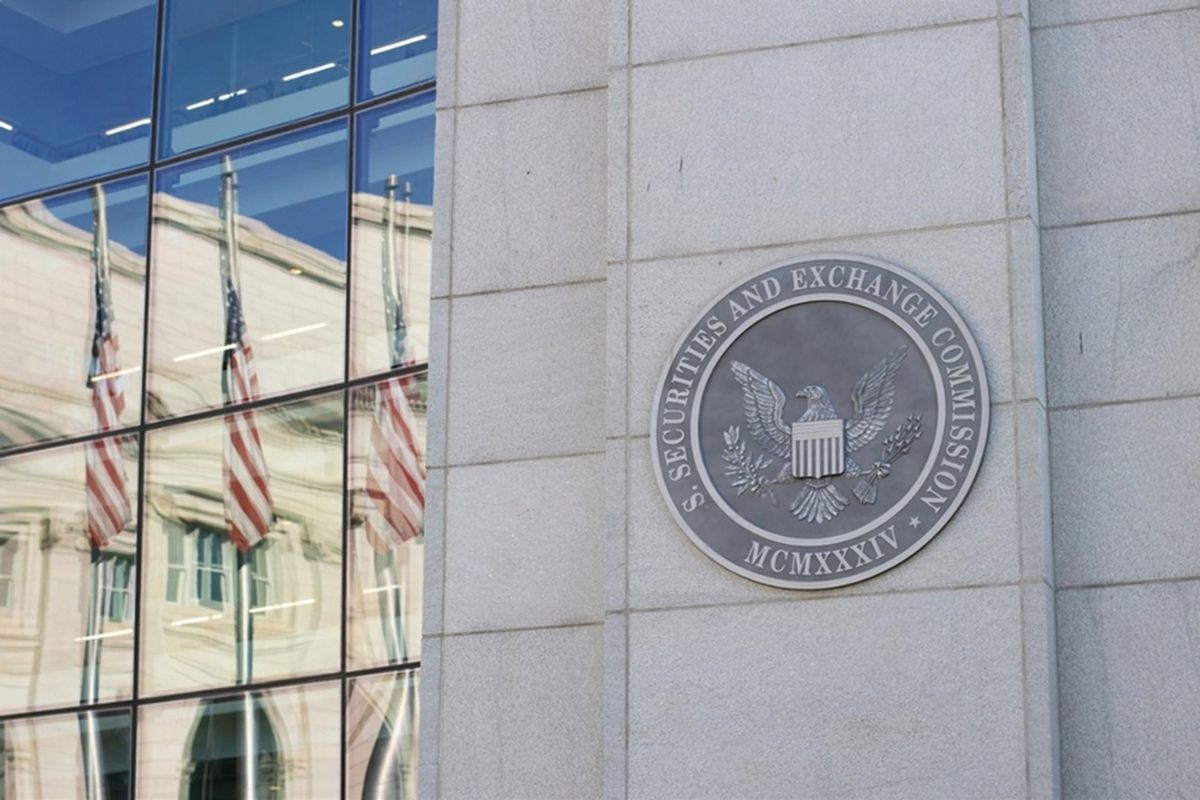
The U.S. Securities and Exchange Commission has introduced its long-awaited Innovation Exemption, giving qualifying Tokenized Securities Venues a temporary pathway to trade tokenized National Market System stocks without registering as exchanges under the traditional framework. The decision represents a significant step in bringing blockchain-based trading infrastructure into regulated U.S. capital markets, particularly after Congress failed to advance broader crypto market-structure legislation earlier this week.
For digital-asset investors, the development extends the tokenization debate beyond cryptocurrencies. Tokenized equities could connect traditional securities markets with public blockchain infrastructure, potentially changing how trading, settlement, liquidity and ownership records are managed.
Five-Year Exemption Opens Controlled Trading Window
The SEC’s order provides temporary, conditional relief under Section 36(a)(1) of the Securities Exchange Act of 1934. The exemption will expire five years after publication, giving regulators and market participants a defined period to test onchain securities trading before longer-term rules are considered.
The framework is deliberately limited. Tokenized Securities Venues must operate permissioned automated market makers and liquidity pools, while the number of eligible stock symbols and trading volumes will be capped. Tokenized stocks must also provide holders with the same rights and privileges as equivalent traditional shares, including dividend and voting rights.
The structure is important because it distinguishes genuine tokenization from synthetic products that merely track the price of an underlying security. The SEC specifically excludes synthetic representations from the relief, keeping the exemption focused on tokenized versions of actual securities.
Issuer Rights and Transparency Remain Central
The framework also gives companies a role in determining whether their shares can be tokenized by third parties. A venue must provide the issuer with written notice and an opportunity to object before making an unaffiliated third party’s tokenized stock available for trading.
Technology requirements are similarly substantial. Smart contracts used by participating venues must be auditable, public and deployed on a public, permissionless distributed ledger. Venues must also publish information about their operations and trading activity, while tokenized shares must stop trading when the underlying stock stops trading on its primary listing exchange.
The SEC’s conditions are designed to allow experimentation without abandoning existing market-integrity requirements. Commissioner Mark Uyeda said the framework includes public disclosure of transaction data such as price, size, time, pool address, end-of-day pool size and daily volume to reduce information asymmetries and facilitate regulatory monitoring.
Tokenization Gains Momentum After CLARITY Act Setback
The timing makes the exemption particularly significant. The Senate’s 49-50 procedural vote on the CLARITY Act failed to reach the 60 votes required to advance the legislation, leaving comprehensive federal market-structure reform unresolved.
The SEC’s action demonstrates that portions of the digital-asset market can still move forward through existing regulatory authority. Chairman Paul Atkins described the exemption as a temporary step while the Commission considers additional action, while emphasizing that durable rulemaking remains necessary.
What Crypto Investors Are Watching Next
The next phase will center on actual adoption by tokenized securities venues, trading volumes, issuer participation and regulatory feedback. Successful implementation could provide evidence that blockchain infrastructure can support regulated securities markets at scale. At the same time, the five-year limit means the exemption is not a permanent replacement for legislation. How the SEC modifies the framework after observing live market activity could determine whether tokenized equities become a lasting component of U.S. capital markets.
Comparison, examination, and analysis between investment houses
Leave your details, and an expert from our team will get back to you as soon as possible