Key Points:
- The SEC held a six-hour roundtable on September 17 to examine the operational, regulatory and investor-protection requirements for expanding U.S. equity markets toward around-the-clock trading.
- The move brings traditional securities markets closer to the 24/7 trading model already standard in crypto, potentially changing liquidity, price discovery and institutional market-making practices.
- The SEC is examining overnight surveillance, clearing and settlement, cybersecurity, staffing and market-data continuity as tokenization increasingly connects blockchain infrastructure with traditional securities markets.
SEC Brings Wall Street Closer to a 24-Hour Market
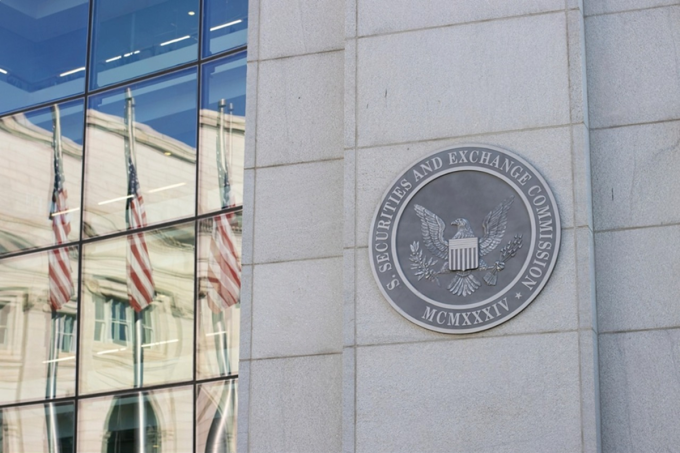
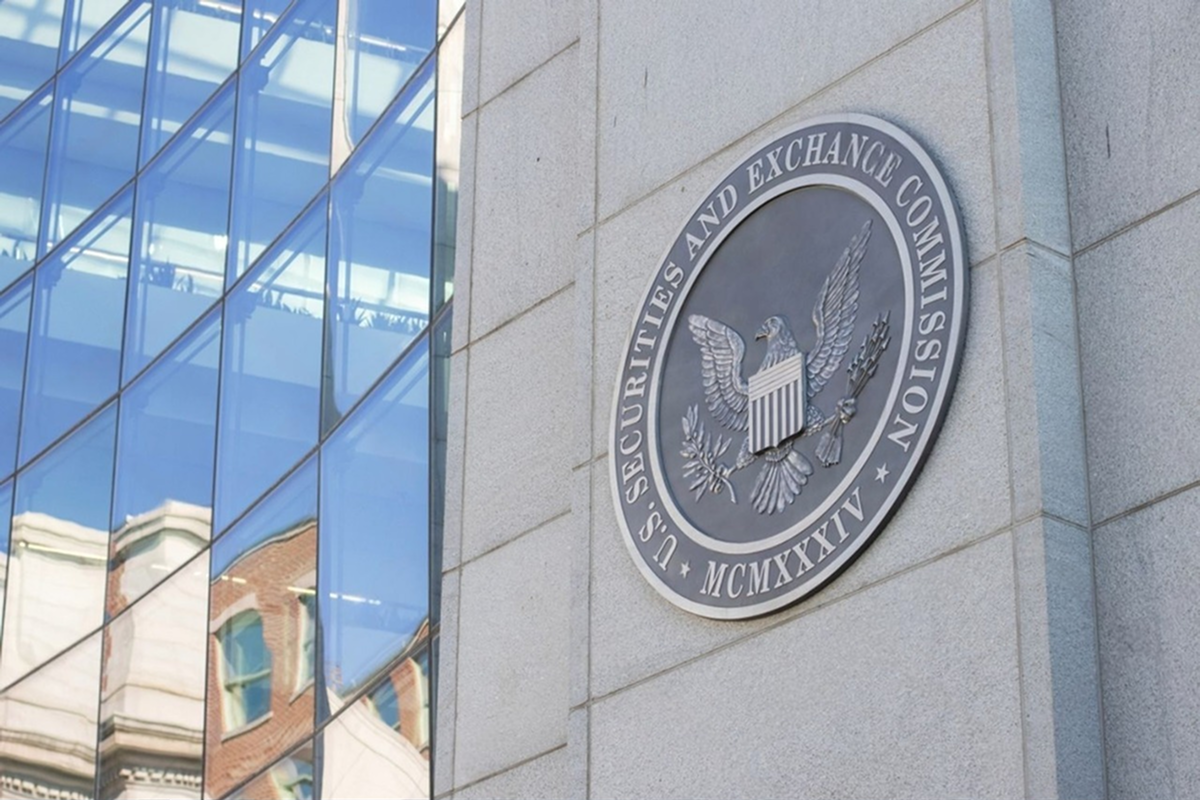
The U.S. Securities and Exchange Commission is preparing for a structural change that cryptocurrency markets have operated with for years: continuous trading. On September 17, the SEC held a six-hour public roundtable examining how U.S. equity markets could expand toward 24-hour trading, just hours after the agency approved a temporary framework for tokenized securities trading.
The development matters to crypto investors because it moves one of the industry’s defining characteristics closer to traditional finance. Bitcoin and other digital assets trade continuously across global venues, while U.S. equities have historically operated within defined exchange hours. SEC Chairman Paul Atkins said the expansion could allow investors to respond more quickly to market-moving events.
Crypto’s 24/7 Model Becomes a Reference Point
The SEC’s discussion effectively treats continuous crypto trading as a model that traditional markets must understand rather than an isolated feature of digital assets. CoinDesk’s latest market data showed Bitcoin around $76,798, Ethereum near $2,471 and Solana around $101, illustrating how crypto markets continue to price developments around the clock.
For institutional investors, the difference is important. A geopolitical event, economic announcement or corporate development occurring outside U.S. equity hours can immediately affect crypto prices. A near-continuous stock market could reduce the gap between when information becomes available and when investors can formally trade the affected securities.
However, the SEC is not treating longer hours as simply an extension of the existing market schedule. The agency is examining how liquidity, surveillance and operational resilience would function when markets remain open during periods of traditionally limited human participation.
Overnight Liquidity Creates New Infrastructure Requirements
The SEC’s roundtable specifically examined exchange and broker-dealer readiness, overnight surveillance, closing-price processes, clearing and settlement. A second panel focused on operational resilience, including cybersecurity, failover systems, capacity planning, market-data continuity and shorter maintenance windows.
These issues represent a substantial infrastructure challenge. A market operating for close to 24 hours provides more opportunities for trading, but it also leaves less time for systems maintenance and manual intervention. Commissioner Hester Peirce highlighted concerns including wider spreads, increased volatility and reduced human oversight during overnight periods.
For crypto market participants, these concerns are familiar. Digital-asset venues already operate continuously, meaning exchanges, custodians and infrastructure providers must maintain surveillance, security and settlement capabilities without the conventional overnight shutdown used by traditional markets.
Tokenization Could Link Continuous Trading With Traditional Securities
The SEC’s timing is particularly significant because the roundtable occurred on the same day the agency approved its Innovation Exemption for certain tokenized securities venues. The five-year temporary framework permits qualifying venues to trade tokenized NMS stocks in permissioned environments under specified conditions.
Atkins said tokenization could support real-time inventory management, improve efficiency and reduce settlement failures. This creates a potential connection between two structural changes: longer trading hours and blockchain-based settlement. If securities can be represented and transferred digitally while markets operate continuously, traditional distinctions between trading sessions and settlement windows could become less significant.
What Crypto Investors Are Watching Next
The SEC’s work remains preparatory rather than a final authorization for 24-hour U.S. equity trading. The next focus will be regulatory proposals, exchange implementation plans, liquidity conditions and investor-protection standards. For crypto markets, the longer-term significance is broader: if traditional securities increasingly adopt continuous trading and tokenized infrastructure, one of the structural differences separating digital assets from conventional markets could gradually narrow.
Comparison, examination, and analysis between investment houses
Leave your details, and an expert from our team will get back to you as soon as possible